In the evolving marketplace of 2026, understanding the technical “how” of a transaction is only half the battle; the professional Business must also master the psychological “why.” As Technology and Artificial Intelligence become ubiquitous, consumer expectations have shifted toward a demand for higher transparency, ethical alignment, and seamless digital experiences. To remain competitive, a Business must look beyond raw data and analyze the cognitive drivers that influence decision-making in a digital-first world. This article explores the intersection of behavioral economics and corporate strategy, providing a professional framework for understanding the modern consumer.
The Shift Toward “Values-Based” Purchasing
One of the most significant shifts in the 2026 Business landscape is the rise of the conscious consumer. Today’s buyers are more informed than ever, using Technology to vet companies before engaging with their Digital Marketing campaigns.
-
The Authenticity Premium: Consumers are increasingly willing to pay a premium for products from a Business that demonstrates genuine professional integrity. This is not merely a trend but a fundamental shift in market psychology. People want to support organizations that reflect their personal values regarding sustainability and social ethics.
-
The Trust Deficit: In an era of automated content and deepfakes, trust has become a scarce and valuable commodity. A professional organization builds trust by being radically transparent about its operations, from its supply chain to its use of Artificial Intelligence in data processing.
Cognitive Load and the User Experience
As the volume of information increases, the human capacity to process it remains limited. A successful Business recognizes that “choice overload” can lead to decision paralysis.
-
Simplification as a Strategy: Professional Digital Marketing in 2026 focuses on reducing the cognitive load on the consumer. By using Artificial Intelligence to curate personalized recommendations, a Business can guide the customer through a complex product catalog with ease, making the path to purchase as frictionless as possible.
-
The Power of Defaults: Behavioral economics tells us that people tend to stick with default options. A savvy Business designs its digital interfaces with “pro-consumer defaults”—options that provide the most value with the least effort required from the user.
The Role of Artificial Intelligence in Emotional Connection
While AI is often associated with cold logic, its most professional application in 2026 is in enhancing emotional resonance. Through “Sentiment Analysis,” Technology can now gauge the emotional state of a customer based on their digital interactions.
-
Empathetic Automation: When a customer reaches out with a problem, an AI-driven system can detect frustration and escalate the issue to a human professional immediately. This synergy between Artificial Intelligence and human empathy ensures that the Business maintains its reputation for high-level service.
-
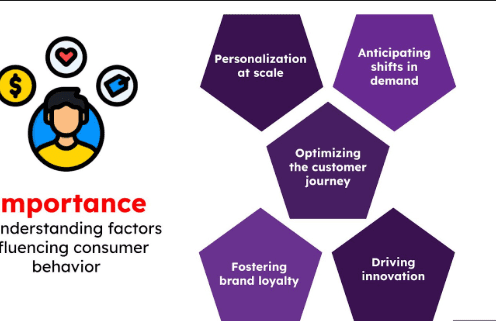
Personalized Narrative: Digital Marketing has moved from generic broadcasting to “individual storytelling.” By analyzing past behaviors, a Business can tailor its narrative to match the specific aspirations and pain points of an individual, creating a deeper psychological bond with the brand.
Social Proof and the Digital Community
In 2026, the “voice of the customer” is more powerful than any corporate advertisement. The psychology of social proof—the tendency to follow the actions of others—has been amplified by Technology.
-
Community-Led Growth: A professional Business fosters digital communities where customers can interact, share reviews, and provide peer-to-peer support. This organic engagement acts as a force multiplier for Digital Marketing efforts.
-
Micro-Influencers and Authority: The focus has shifted from celebrity endorsements to “niche authority.” Consumers trust experts and peers within their specific professional or social circles more than traditional advertisements. A Business that builds relationships with these key figures can establish rapid credibility in new markets.
The Financial Psychology of Subscriptions and Access
The “Ownership Economy” is steadily giving way to the “Access Economy.” For many businesses, the shift toward subscription models has changed the psychological relationship with the customer.
-
The Endowment Effect: Once a consumer is part of a subscription ecosystem, they are less likely to leave because they perceive the service as a part of their daily life. A professional Business ensures that its subscription provides constant, evolving value to justify this ongoing relationship.
-
Frictionless Payments: Advanced Technology has made the “pain of paying” almost invisible. However, a professional organization maintains ethics in this area by ensuring clear communication about billing, which prevents “subscription fatigue” and maintains long-term loyalty.
Anticipating Future Needs with Predictive Analytics
The ultimate goal of combining Business strategy with Artificial Intelligence is to transition from being reactive to being predictive.
-
The Anticipatory Business: By identifying patterns in data, a firm can anticipate a customer’s needs before the customer even articulates them. Whether it is a replenishment reminder or a proactive service update, this level of professional foresight creates a sense of “magic” that builds intense brand loyalty.
-
Ethical Boundaries: While predictive Technology is powerful, a professional Business must respect the boundary between being helpful and being intrusive. Maintaining privacy and giving the consumer control over their data is essential for psychological comfort.
Conclusion: Mastering the Human Element in a Digital Age
The Business of 2026 is a blend of high-tech and high-touch. While Technology, Digital Marketing, and Artificial Intelligence provide the tools to reach and analyze the consumer, the core of the transaction remains deeply human. Professionalism is defined by the ability to use these tools to enhance, rather than replace, the human connection. By understanding the psychological drivers of modern behavior—trust, simplicity, and values—a Business can create a sustainable path to growth that resonates on a profound level.