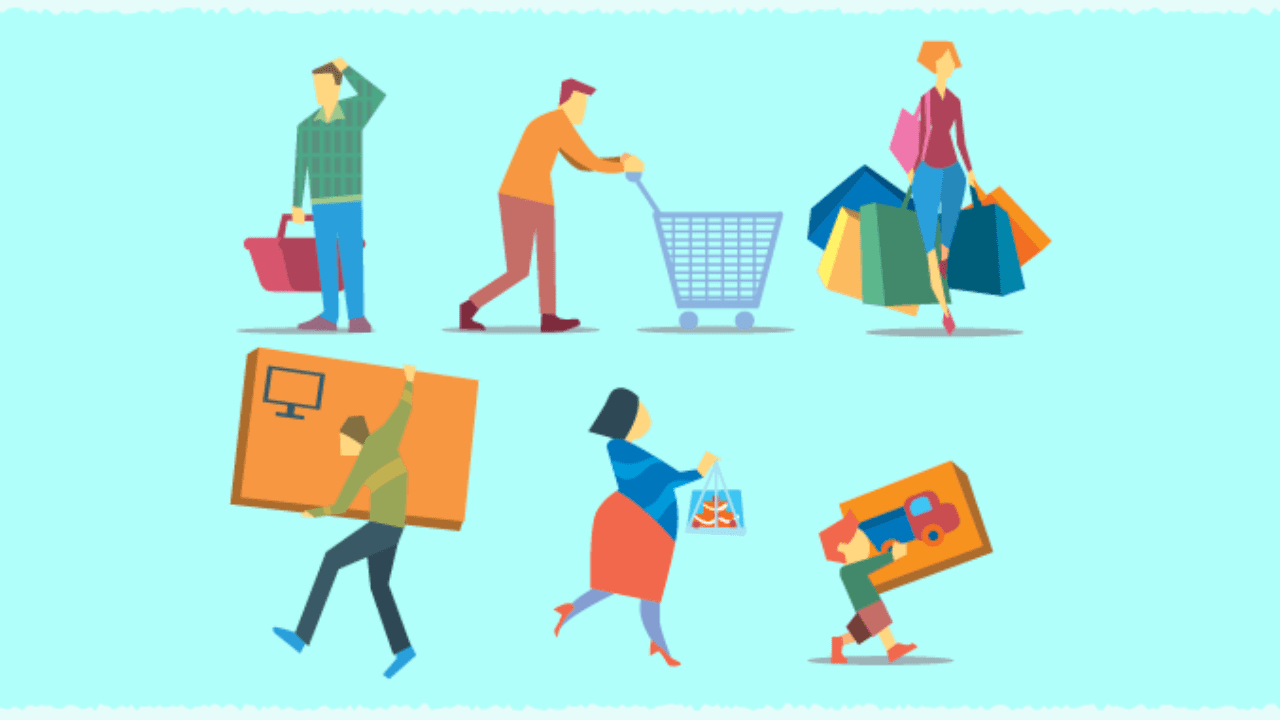
There is a moment most online shoppers recognize immediately. You open a product page. You scroll past images. You read reviews. You choose a size or color. You add the item to your cart. And then you stop.
Not because you changed your mind. Not because something went wrong. But because the pressure eases the moment the item is in the cart. The urge softens. The decision no longer feels urgent. You breathe a little easier.
This pattern shows up clearly in how people interact with shopping tools and deal-discovery platforms, where shoppers often move right up to the edge of buying and pause there. That pause is not accidental. It serves a purpose. Almost buying helps people reduce anxiety without forcing a final commitment.
This behavior isn’t indecision. It’s a partial commitment. And partial commitment feels safe.
The Relief of Doing Something Without Finishing
When people add an item to a cart, save it for later, or bookmark a deal, the brain registers progress.
You didn’t buy it. But you didn’t walk away either.
Psychologists have long observed that taking a step toward resolving uncertainty reduces stress, even if the outcome remains open. The brain prefers motion over stagnation. Almost buying feels like movement.
I once added a pair of headphones to my cart late at night. I knew I wasn’t going to buy them right then. But adding them made the decision feel handled. I slept better. By morning, the urge had passed.
The relief was real. The purchase never happened.
Why Carts Feel Safer Than Checkout
Checkout is final. Cart is flexible.
That difference matters more than most people admit.
Buying means committing money, identity, and expectations. It opens the door to regret. Adding to cart keeps control in your hands. You can still change your mind. You can still wait.
This is why cart abandonment is so common. It’s not always about price or shipping. Sometimes the shopper already got what they wanted emotionally.
A pause. Control. Distance from risk.
Partial Commitment Lowers Mental Load
Decision-making costs energy. That energy isn’t unlimited.
Psychologists call this decision fatigue. As people make more choices throughout the day, their ability to make confident decisions drops. When the brain feels taxed, it looks for shortcuts that reduce effort.
Almost buying is one of those shortcuts.
A CNBC report on decision fatigue explains how repeated choices drain mental energy and push people toward delay or avoidance instead of action.
Adding something to a cart is a way to stop thinking without fully letting go.
Control Matters More Than Completion
Online shopping gives people a sense of control over timing, pricing, and outcomes. Almost buying strengthens that feeling.
You feel strategic. Patient. Smart.
Even if nothing changes, the feeling itself lowers anxiety.
A friend once told me she adds things to her cart so she can tell herself she’s being careful, not impulsive. She doesn’t always return. But she likes knowing the option is waiting.
That feeling matters more than the item.
This Behavior Exists Outside Shopping Too
The same pattern appears everywhere.
People draft emails and never send them. They save articles they never read. They build to-do lists and feel calmer without completing anything.
Psychologists describe this as closure without completion. The brain treats the step as progress even when the outcome remains unresolved.
Almost buying is the retail version of that habit.
Overthinking Is the Wrong Label
People often call this behavior overthinking.
That label misses what’s happening.
Overthinking suggests paralysis. Almost buying includes action. It’s small, but it counts. The person engaged with the decision and reduced uncertainty just enough.
That’s why partial commitment often feels better than walking away completely. Walking away leaves the question open. Almost buying closes it temporarily.
Reviews and Data Make the Pause Longer
The more information people consume, the harder final commitment becomes.
Reviews introduce doubt. Comparisons create trade-offs. Every new detail adds another possible regret.
At some point, the brain looks for an exit that doesn’t require choosing. Almost buying becomes that exit.
Barry Schwartz, the psychologist behind The Paradox of Choice, has said in interviews that more choice often leads to less satisfaction. Not because choice is bad, but because too much choice increases fear of choosing wrong.
The Anxiety of Finality
Buying something means accepting the outcome.
What if the price drops tomorrow. What if quality disappoints. What if a better option appears next week.
Almost buying delays those risks.
This shows up most with items tied to identity or long-term use. Clothing. Electronics. Subscriptions. Courses.
The more personal the purchase feels, the more likely people are to hover near checkout.
Why Reminder Emails Work and Sometimes Don’t
Cart reminder emails reopen the loop without forcing a decision.
You left something behind. No urgency. No pressure.
For some shoppers, that nudge leads to checkout. For others, it simply renews the feeling of control. They check the price again. They feel reassured. They close the tab.
And that’s enough.
Open Loops Can Calm or Stress
Partial commitment reduces anxiety in the short term. But too many open loops can create background stress.
Some people dislike knowing they have unfinished decisions sitting in carts and wishlists. They clear them out just to reset mentally.
Others enjoy the flexibility.
Neither response is wrong. But the pattern is consistent.
Almost Buying as a Coping Strategy
In a noisy environment full of urgency, timers, and pressure, almost buying slows things down.
It creates space.
Instead of saying yes or no, people say not yet.
That delay can be healthy. It can prevent impulse spending. It can protect against regret.
It can also turn into avoidance if it becomes permanent.
When Partial Commitment Becomes Stalling
The line is crossed when carts stay full for months. When decisions never move forward. When the behavior creates stress instead of relief.
At that point, almost buying stops helping and starts feeding anxiety.
Recognizing that shift matters.
Why This Habit Is Growing
Digital shopping environments push urgency by design. Limited stock messages. Countdowns. Flash sales.
Almost buying is a quiet resistance to that pressure.
It lets people step close enough to satisfy desire without surrendering control.
What This Says About Modern Decisions
Every decision now feels loaded.
Prices fluctuate. Opinions conflict. Algorithms watch.
In that environment, halfway points make sense.
Almost buying is not a failure to decide. It’s an adaptation.
A Better Way to See It
Instead of asking why people don’t just buy or walk away, ask what need this behavior meets.
Most of the time, the answer is emotional safety.
People want reassurance without regret. Progress without pressure. Control without commitment.
Almost buying provides that balance.
The Bottom Line
Partial commitment isn’t a glitch in online shopping. It’s a feature of the human mind.
When people add items to carts and pause, they aren’t failing to decide. They’re managing anxiety in a high-choice, high-pressure world.
Almost buying isn’t weakness.
It’s the brain finding the safest place to rest before moving on.