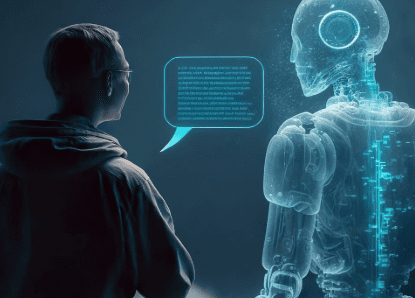
As we move through 2026, the Business of health has undergone a seismic shift from “Sick Care” to “Well Care.” The integration of Artificial Intelligence into daily life has turned the dream of personalized longevity into a scalable industrial reality. No longer focused solely on treating acute illness, the healthcare sector is now centered on “Healthspan Expansion”—using real-time biological data to predict and prevent decline decades before it occurs. For professional organizations, this “Longevity Dividend” represents a massive new market driven by a consumer base that views health as an optimizable asset rather than a matter of chance.
1. From Reactive Diagnostics to Proactive Longevity
In 2026, the clinical standard has shifted from “One-Size-Fits-All” guidelines to “N-of-1” Precision Medicine. Technology now allows for the continuous monitoring of the human body, creating a “Digital Twin” that evolves in real-time.
-
Multi-Omic Personalization: Leading longevity clinics now use AI to synthesize “Multi-Omic” data—combining genomics, proteomics, and metabolomics. This allows for the creation of hyper-personalized nutrition and supplementation plans that are dynamically adjusted based on the user’s current biological age markers.
-
Biological Age Tracking: By 2026, the most important metric in a health check-up is no longer chronological age, but “Bio-Age.” AI-driven epigenetic clocks analyze DNA methylation patterns to provide a scannable report on how fast an individual is aging, allowing for the immediate adjustment of lifestyle interventions.
-
Agentic Health Assistants: We have entered the era of the “Health Pilot.” These are autonomous AI agents that live on wearables and “Smart Rings.” They don’t just track steps; they analyze heart rate variability (HRV), glucose spikes, and sleep architecture to proactively suggest a 10-minute walk or a specific nutrient-dense meal to stabilize metabolic health.
2. Digital Marketing: Promoting “Longevity-as-a-Service”
Digital Marketing in 2026 has transitioned from selling “Cures” to selling “Membership in a Long-Term Health Ecosystem.” The focus is on recurring value and measurable progress.
-
The Subscription Health Model: Inspired by the “PaaS” (Product-as-a-Service) trend, 2026 brands are launching “Longevity-as-a-Service” (LaaS). Marketers highlight the value of ongoing, data-driven support—including monthly biomarker testing kits and AI coaching—over one-off medical consultations.
-
Evidence-Based Branding: In an era of high-tech wellness, “Vague Health Promises” no longer convert. Marketing campaigns now lead with “Hard Science,” using AI to generate clear, simplified visualizations of a product’s impact on a user’s cellular health, building deep trust through transparency.
-
The “Healthspan” Narrative: Marketers are shifting the cultural conversation from “Anti-Aging” (fighting a losing battle) to “Healthspan Optimization” (living at peak performance for longer). This positive, empowerment-focused messaging resonates deeply with the 2026 consumer, who values vitality and productivity as much as lifespan.
3. Management: Navigating the Ethics of Personal Data
For the 2026 manager, the “Longevity Revolution” brings significant responsibility. Handling the most intimate data a human can generate—their genetic code and real-time vitals—requires a “Privacy-First” Business architecture.
-
Sovereign Health Data Vaults: Companies are adopting “Decentralized Identity” (DID) systems for health data. Management ensures that the organization never “owns” the user’s biological data; instead, the AI processes it within a secure, user-controlled vault, satisfying both ethical standards and strict 2026 global privacy laws.
-
The “Bio-Ethics” Committee: Professional healthcare organizations have established permanent AI Bio-Ethics committees. These groups oversee the “Algorithmic Fairness” of longevity recommendations, ensuring that health optimizations do not inadvertently favor certain demographics or create new forms of “Biological Inequality.”
-
Employee Longevity Programs: Progressive Business leaders are treating their workforce as a “Human Capital Reserve.” In 2026, top-tier corporate benefits include AI-led longevity coaching and biological age monitoring, viewing employee healthspan as a direct driver of long-term organizational productivity.
4. Technology: The Infrastructure of the “Invisible Doctor”
The Technology of 2026 has made healthcare “Ambient.” We have moved from the “Point-of-Care” to “Everywhere-Care.”
-
Medical-Grade Wearable Integration: Devices like the 2026 “Withings Body Scan 2” and high-precision smart rings have 98% correlation with clinical Dexa scans. These devices feed data directly into an enterprise-scale AI that flags “Pre-Crisis” signals—like a 15% drop in respiratory rate—allowing for intervention at one-tenth the cost of acute treatment.
-
Ambient Scribe and Decision Support: For the 2026 clinician, “Ambient Listening” tools have eliminated the administrative burden. While a doctor speaks with a patient, AI automatically updates the EHR (Electronic Health Record) and suggests the latest peer-reviewed research for that specific genetic profile, reducing diagnostic errors by an estimated 25%.
-
Quantum-Secured Bio-Networks: As bio-data becomes the ultimate target for cyber-threats, 2026 infrastructure utilizes “Quantum-Resistant Encryption” to protect the flow of health intelligence between home devices and clinical hubs.
Summary: The 2026 Health Transformation
| Metric | Reactive Healthcare (2024) | Proactive Longevity (2026) |
| Primary Goal | Symptom Management | Healthspan Expansion |
| Data Usage | Periodic / Static | Real-Time / Continuous |
| Business Model | Fee-for-Service | Longevity-as-a-Service (LaaS) |
| Tech Interface | Clinical / Manual | Ambient / AI-Agentic |
Conclusion: Designing a Future of Vitality
The transition to Proactive Longevity in 2026 marks the true “Maturity Phase” of the Artificial Intelligence revolution. We have moved beyond using algorithms for mere efficiency and toward using them for the preservation of human life and potential.
For your Business, this shift offers an unprecedented opportunity to lead with purpose. By integrating Technology that respects the “Sovereignty of the Body” and using Digital Marketing to champion a vision of long-term vitality, you can build a brand that is as resilient as the people it serves. In 2026, the most successful organizations are those that realize that the ultimate competitive advantage is a healthier, longer-living, and more engaged world.