
The Intersection of Heritage and Innovation: Modernizing Classic SUVs for the 21st Century

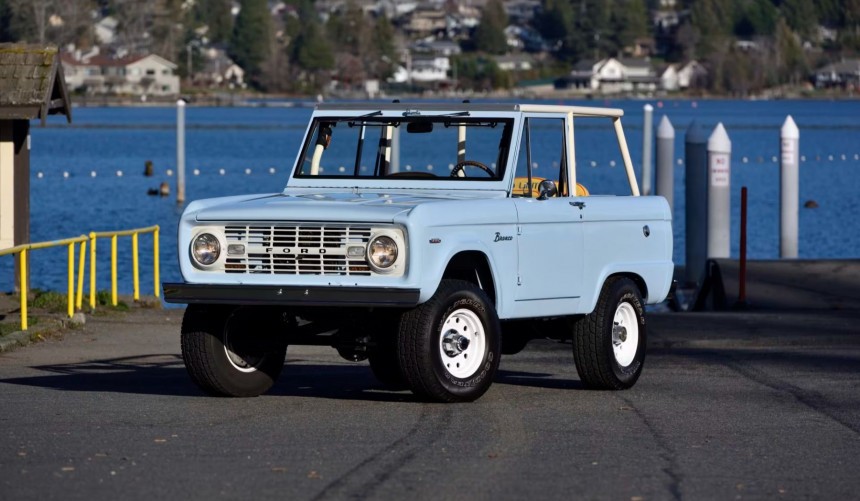
The automotive industry is currently experiencing one of the most profound technological shifts in its history. From the rapid adoption of electric powertrains to the integration of advanced driver-assistance systems and artificial intelligence, modern vehicles are essentially rolling computers. However, alongside this push toward the future, a parallel trend has emerged: a deep, growing appreciation for the analog driving experiences of the past. For automotive enthusiasts and tech-forward consumers alike, the ultimate vehicle is no longer just the newest model on the showroom floor; it is a classic design seamlessly integrated with modern technology.
This desire has fueled the explosive growth of the high-end restomod industry, where vintage vehicles are not merely restored to their original specifications but completely re-engineered. The focus is no longer solely on aesthetics or historical accuracy. Instead, the goal is to create a vehicle that possesses the timeless, rugged charm of a classic 4×4 while delivering the reliability, performance, and technological conveniences expected by today’s discerning drivers.
One of the most compelling examples of this trend is the modernization of classic, utilitarian SUVs. Vehicles that were originally designed decades ago for military, agricultural, or expedition use are being transformed into luxury cruisers capable of handling modern traffic and highway speeds. This process requires a sophisticated blend of traditional craftsmanship and contemporary engineering.
Take, for instance, the legendary Mercedes-Benz G-Class, specifically the early 250GD “Wolf” models. These vehicles are renowned for their boxy silhouettes and indestructible nature. However, their original powertrains and rudimentary suspensions were never intended for the demands of modern daily driving. To bridge this gap, specialist builders must undertake a comprehensive re-engineering process.
The modernization begins with a complete teardown of the vehicle. The original frame is inspected, reinforced, and often powder-coated to ensure structural integrity. From there, the integration of modern technology begins. Original engines are often rebuilt using modern machining techniques and upgraded components to improve efficiency and power output, or they are entirely replaced with modern fuel-injected V8s or even electric drivetrains.
The suspension and braking systems undergo a similarly radical transformation. Archaic drum brakes are replaced with multi-piston disc brakes, and the suspension is redesigned with modern dampers and springs to provide a ride quality that rivals contemporary luxury SUVs. Inside the cabin, the utilitarian roots of the vehicle are replaced with bespoke luxury. Sound deadening materials are applied extensively, and modern climate control systems are integrated discreetly so as not to disrupt the classic dashboard design.
For tech-savvy buyers, the integration of modern infotainment is crucial. Builders seamlessly incorporate touchscreens featuring Apple CarPlay, Bluetooth connectivity, and premium audio systems, ensuring the vehicle is fully connected. The result is a machine that looks like a vintage icon but functions like a modern daily driver.
The demand for these modernized classics is substantial. Enthusiasts actively search for vehicles that have undergone this level of transformation. The appeal lies in the exclusivity and the bespoke nature of the build. Every vehicle is essentially a one-of-one creation, tailored to the specific tastes and requirements of the client.
For those who want to experience this unique blend of heritage and innovation, acquiring a professionally restored g wagon for sale from an industry leader is the ultimate solution. It represents the pinnacle of automotive restomods—a vehicle that honors its rugged past while fully embracing the technological advancements of the present. As the broader automotive market continues to homogenize, these modernized classics stand out as true testaments to engineering ingenuity and timeless design.
### References
[1] MotorTrend: The Rise of the Restomod. Available at: MotorTrend Restomods







Comment