
The Impact of Autonomous Vehicles on Urban Transportation in San Francisco

Key Takeaways
- Autonomous vehicles (AVs) are transforming urban transportation in San Francisco, offering potential benefits such as reduced traffic congestion and enhanced safety.
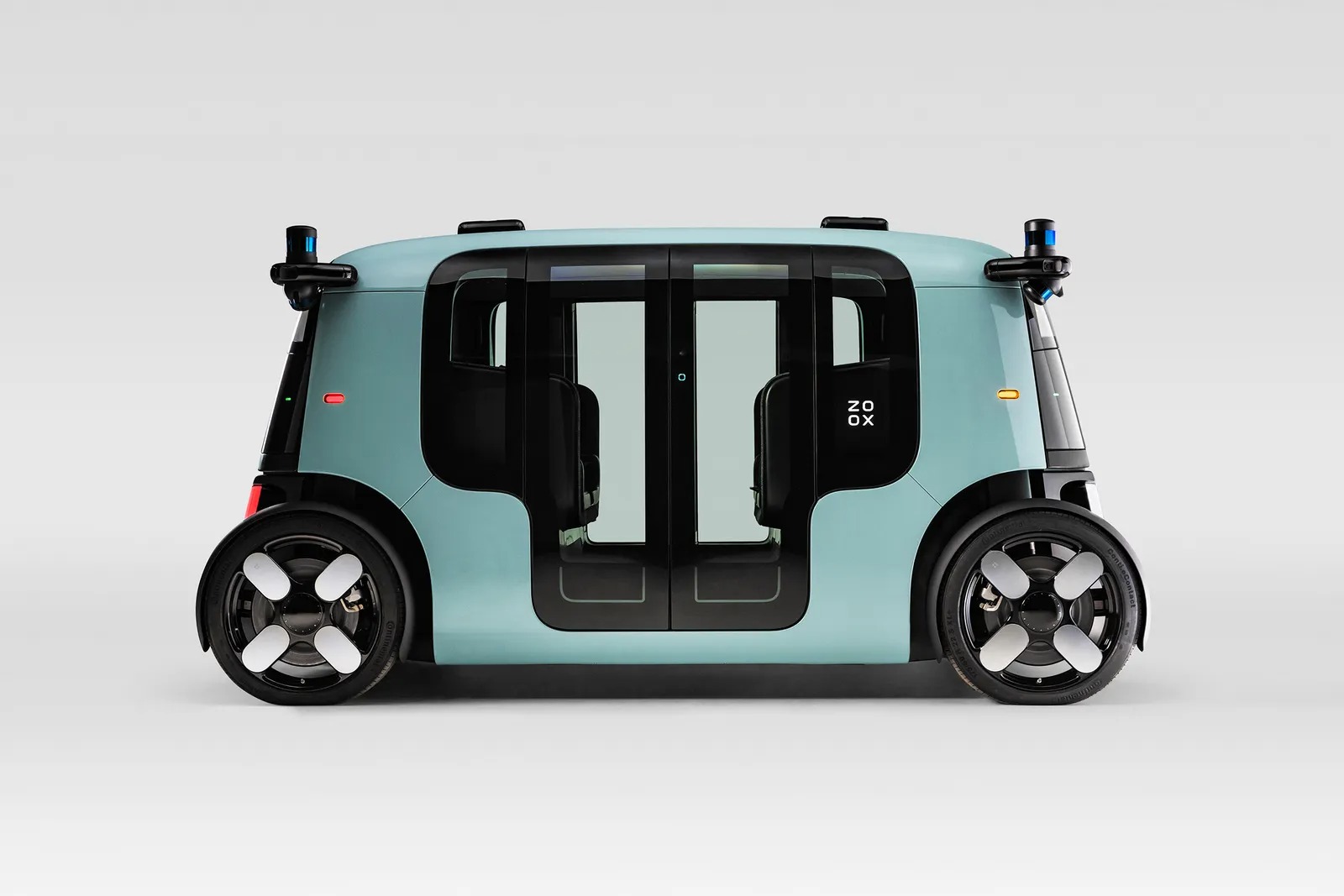
- Major companies like Uber and Zoox are actively testing and deploying AVs in the city, indicating a significant shift towards autonomous mobility.
- Public acceptance and regulatory frameworks are crucial for the successful integration of AVs into San Francisco’s transportation ecosystem.
Introduction
San Francisco is widely recognized as a global leader in technology and innovation, positioning the city at the vanguard of autonomous vehicle (AV) adoption in its urban environment. As these vehicles become more prevalent, they have the potential to address many of the persistent transportation challenges faced by dense urban centers, including traffic congestion, safety concerns, and environmental sustainability. The integration of AVs is not just about deploying new vehicles; it represents a shift in how people experience and interact with transit systems.
Recent advancements have brought AV technology to the forefront, making concepts like a self-driving taxi in San Francisco a present reality rather than a far-off vision. Companies are racing to enhance their autonomous fleets, aiming to make San Francisco a model for future smart cities. As public awareness and curiosity about AVs grow, questions about their practical implications for daily life in the city are increasingly under discussion.
In this evolving landscape, it is essential to examine not only technological advancements but also how they intersect with policy, urban planning, and public sentiment. The stakes are high, as successful implementation could fundamentally reshape daily commutes, air quality, and urban logistics for millions of residents and visitors alike.
With these considerations in mind, San Francisco is becoming an experimental ground for AV integration, and its experiences are likely to influence adoption rates in other metropolitan areas nationwide. Multiple stakeholders, from local government to industry giants, are collaborating to address challenges and maximize the opportunities AVs offer.
The Rise of Autonomous Vehicles in San Francisco
Several major players in the technology and transportation sectors are accelerating the deployment of autonomous vehicles across San Francisco, intensifying efforts to redefine how people move throughout the city. Emerging initiatives emphasize premium self-driving transportation experiences that merge advanced autonomous capabilities with electric mobility, supporting broader sustainability, efficiency, and emissions-reduction goals. These developments highlight San Francisco’s role as a leading hub for innovation and the testing of next-generation transportation solutions. Simultaneously, pilot programs in neighborhoods are allowing residents to engage directly with driverless technology through firsthand experiences and feedback opportunities. This public involvement provides developers with valuable insights into rider expectations, safety concerns, and usability improvements. By encouraging transparency and community participation, these programs help build trust and familiarity with autonomous systems. As acceptance grows, driverless transportation could become increasingly common in daily life, reshaping urban travel for residents and visitors alike.
Potential Benefits of Autonomous Vehicles
- Reduced Traffic Congestion:AVs are engineered to communicate both with each other and with traffic infrastructure, enabling coordinated movement, efficient lane usage, and optimal routing across the city. When deployed at scale, this can decrease the time spent in traffic and improve overall traffic flow, minimizing bottlenecks and related frustrations for city dwellers.
- Enhanced Safety:Human error causes a significant proportion of motor vehicle accidents. AVs, governed by advanced algorithms and equipped with an array of sensors, are designed to react faster and make safer decisions in complex urban environments, thereby reducing accident rates.
- Environmental Impact:Many AV deployments are based on electric vehicles. This shift from internal combustion engines can significantly reduce greenhouse gas emissions and improve urban air quality, aligning with San Francisco’s ambitious climate action goals.
Challenges and Considerations
- Regulatory Frameworks:Effective policies governing AV operation are still being developed at both the municipal and state levels. Robust regulations are necessary to set safety standards, define data privacy guidelines, and establish protocols for AV deployment, maintenance, and liability. Municipalities are working closely with industry experts and community stakeholders to craft these regulations.
- Public Acceptance:Despite technological advancements, broad public confidence in AV safety and reliability must be established. Transparent communication about how AVs operate, their benefits, and their safety records is essential to foster trust and encourage adoption.
- Infrastructure Adaptation:Integrating AVs into existing transportation infrastructure requires upgrades, such as creating dedicated lanes, enhancing road signage, and expanding charging infrastructure for electric autonomous fleets. A coordinated approach is required to ensure these adaptations support both AVs and conventional vehicles.
Real-World Applications and Case Studies
San Francisco has emerged as a real-world testing ground for autonomous vehicle applications, offering valuable insights into how this technology can function within complex urban environments. Recent initiatives have expanded testing efforts to major transportation gateways, demonstrating the potential of self-driving vehicles to support services such as airport pick-ups and drop-offs while paving the way for broader integration with public transit networks and other mobility systems. These early experiences are helping inform how metropolitan areas across the country may approach similar transportation advancements in the future.
The rise of autonomous transportation has also encouraged ongoing collaboration among industry professionals, urban planners, policymakers, and transit authorities seeking effective ways to incorporate these vehicles into existing infrastructure. Such partnerships have led to pilot initiatives, innovative traffic management approaches, and cooperative data-sharing efforts to enhance safety, efficiency, and convenience for both residents and visitors. As the city continues to adapt to this evolving technology, the lessons gained from these practical applications provide a valuable framework for other communities preparing for their own autonomous transportation future.
Conclusion
The introduction of autonomous vehicles is ushering in a significant transformation in urban transportation, with San Francisco at the forefront of this change. The benefits of AV integration are promising, particularly in mitigating traffic congestion, improving safety, and moving toward environmental sustainability. However, the city must address regulatory, infrastructural, and societal challenges for these benefits to be fully realized. Through ongoing collaboration among industry leaders, policymakers, and the public, San Francisco has the potential to become a shining example of successful AV deployment, shaping the future of urban mobility worldwide.







Comment