In today’s digital economy, data is not just valuable — it is foundational.
From AI model training to market intelligence, cybersecurity analysis, and e-commerce optimization, organizations rely on large-scale web data to make informed decisions. But as platforms strengthen anti-bot defenses and privacy regulations evolve, traditional scraping methods are becoming increasingly ineffective — and in some cases, risky.
The future of web scraping is not about evasion.
It is about accuracy, transparency, and ethical access.
And residential proxies are playing a central role in that evolution.
Why Traditional Scraping Infrastructure Is Breaking Down
For years, web scraping at scale depended heavily on datacenter proxies. These IPs are inexpensive and fast, but they share common characteristics:
- Easily identifiable IP ranges
- High request volumes from shared networks
- Non-residential traffic signatures
- Predictable automation patterns
Modern platforms — including search engines, marketplaces, and social networks — use behavioral detection systems powered by machine learning to identify and throttle this traffic.
The result?
- Frequent CAPTCHAs
- IP bans
- Rate limiting
- Incomplete or distorted data
In data-driven environments, distorted data is often worse than no data.
The Shift Toward Ethical and Accurate Data Collection
Web scraping itself is not inherently unethical.
The ethics depend on how it is implemented.
Responsible data collection involves:
- Respecting robots.txt and rate limits
- Avoiding disruption of services
- Collecting publicly available information only
- Following regional privacy regulations (GDPR, CCPA, etc.)
- Maintaining transparent data practices
The infrastructure supporting this process must align with those principles.
This is where residential proxies provide a more sustainable solution.
What Makes Residential Proxies Different?
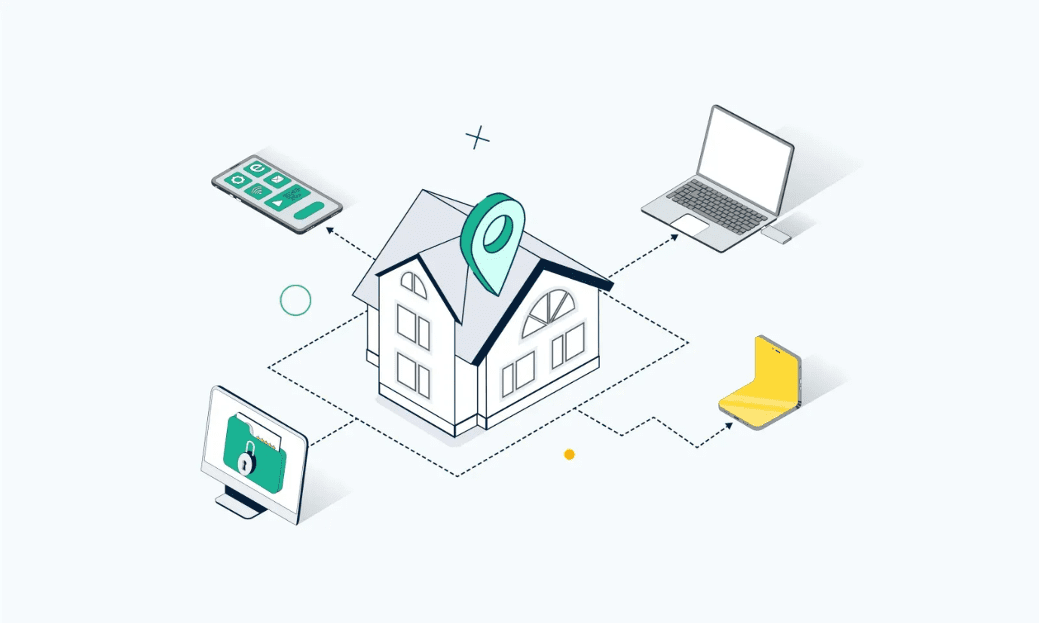
Residential proxies route requests through IP addresses assigned by internet service providers to real households.
From the target website’s perspective, requests appear to originate from legitimate users rather than automated server farms.
This distinction changes everything.
Residential IPs:
- Blend into normal traffic patterns
- Reduce abnormal request signatures
- Lower detection probability
- Provide accurate geo-localized data
- Support distributed data collection models
Rather than overwhelming a server from a single identifiable source, residential-based systems distribute requests across trusted networks.
This approach aligns better with ethical scraping principles — especially when combined with proper rate limiting and compliance frameworks.
Key Use Cases Driving the Adoption of Residential Proxies
- AI Training Data Pipelines
Large language models and machine learning systems require diverse, geographically representative datasets. Datacenter scraping often triggers blocks, limiting dataset completeness.
Residential proxies enable:
- Location-specific content access
- Broader dataset diversity
- Reduced bias in geographically sensitive data
This improves model quality without increasing detection risk.
- Market Intelligence and Competitive Research
E-commerce pricing, advertising variations, and localized search results differ significantly by region.
Residential proxies allow organizations to:
- Monitor price differences across cities
- Verify regional ad placements
- Analyze competitor visibility in specific markets
Accurate access leads to more reliable strategic decisions.
- Cybersecurity and Threat Intelligence
Security researchers frequently collect open-source intelligence (OSINT) data to identify phishing campaigns, malicious domains, or bot networks.
Residential proxy infrastructure supports:
- Safe distributed data gathering
- Reduced traceability of research nodes
- Controlled, compliant scanning environments
When used responsibly, this strengthens defensive security operations.
- SEO and Search Result Monitoring
Search engines personalize results based on user location and IP context. Datacenter requests often receive altered SERPs.
Residential proxies enable:
- True city-level rank tracking
- Accurate Google Maps visibility analysis
- Realistic search behavior simulation
This ensures businesses measure what real users actually see.
Why Ethical Infrastructure Matters More Than Ever
The conversation around web scraping is shifting from “How do we avoid detection?” to “How do we build compliant systems?”
Key best practices include:
- Implementing request throttling
- Using rotating IP sessions responsibly
- Respecting platform terms where applicable
- Avoiding private or restricted content
- Maintaining audit logs for transparency
Residential proxies alone do not guarantee ethical use.
But they enable infrastructure that can operate more realistically and sustainably.
For professionals looking to better understand residential proxy architecture, rotation models, and real-world implementation strategies, educational resources such as BuyResidentialProxy.com provide deeper technical breakdowns and use-case analysis.
The Rise of API-First Proxy Architectures
Looking forward, proxy networks are evolving toward:
- API-driven control layers
- Smart IP rotation logic
- Behavioral request modeling
- Automated compliance checks
- Geo-targeted session persistence
This signals a future where scraping infrastructure behaves less like a blunt automation tool and more like a distributed, intelligent access layer.
The next generation of data collection systems will integrate proxies as part of a broader ethical framework — not as a workaround.
The Future: Responsible, Intelligent Access
Web scraping is not disappearing.
It is maturing.
As detection systems become more sophisticated, data professionals must adopt infrastructure that prioritizes:
- Accuracy
- Compliance
- Stability
- Geographic authenticity
Residential proxies are becoming a core component of this shift because they align with how the modern internet evaluates traffic.
The future of web scraping will not belong to those who scrape the fastest — but to those who scrape the smartest and most responsibly.
Author Bio (Optional)
The author writes about proxy infrastructure, ethical web data collection, and scalable internet technologies. Their focus includes residential IP architecture, automation compliance, and AI-driven data workflows.