Health tech continues to redefine how medical services are delivered, monitored, and improved. Among the most transformative developments within health tech is remote patient monitoring. This innovation enables healthcare providers to collect, analyze, and respond to patient data outside traditional clinical settings. As healthcare systems face increasing pressure to improve efficiency and expand access, remote patient monitoring stands out as a strategic solution that enhances both patient outcomes and operational performance.
Remote patient monitoring represents a shift from reactive treatment models to proactive care strategies. By leveraging digital devices, data analytics, and secure communication platforms, health tech enables continuous oversight of patients’ conditions. This approach supports early intervention, reduces hospital visits, and empowers patients to actively participate in managing their health.
Understanding Remote Patient Monitoring in Health Tech
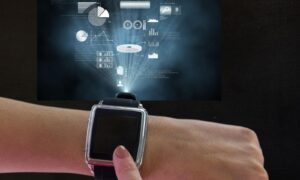
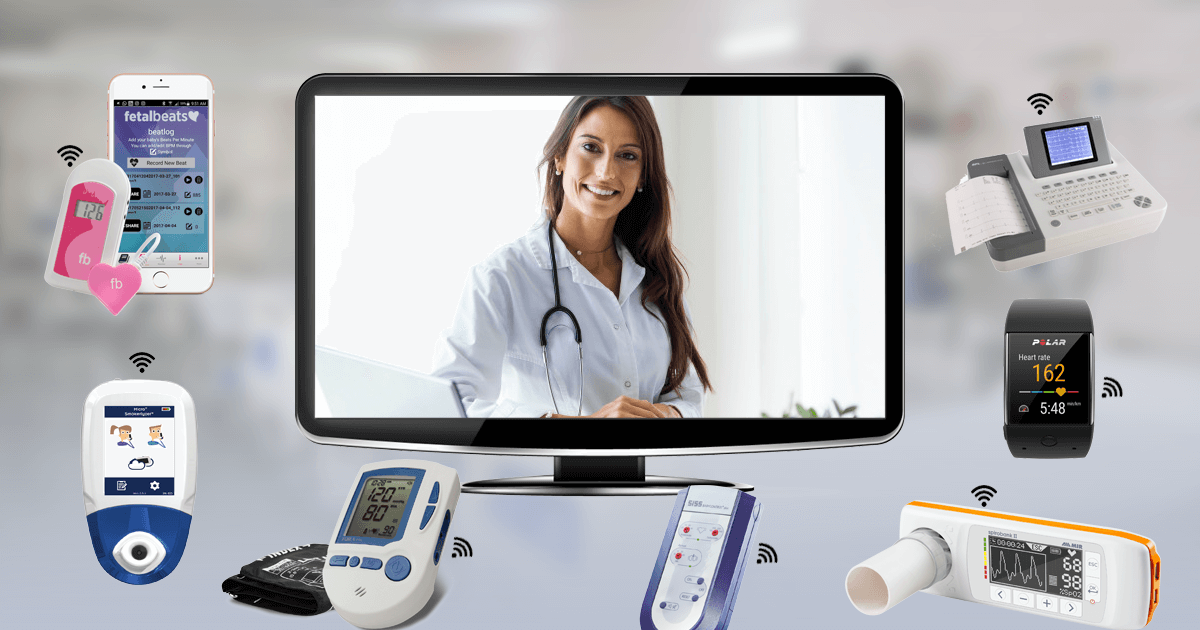
Remote patient monitoring within health tech involves the use of connected medical devices and software platforms to track patient health data in real time. These devices may include wearable sensors, digital blood pressure monitors, glucose meters, pulse oximeters, and smart scales. The collected data is transmitted securely to healthcare professionals who assess trends and identify potential risks.
Health tech platforms integrate these devices with centralized dashboards where physicians and care teams can review vital signs, medication adherence, and symptom patterns. Advanced algorithms may flag irregular readings, prompting timely follow-up. This system reduces the reliance on in-person appointments and enables continuous clinical oversight.
By connecting patients and providers through digital infrastructure, health tech ensures that care extends beyond hospital walls. This model is particularly valuable for individuals managing chronic conditions such as hypertension, diabetes, respiratory disorders, and heart disease.
Improving Chronic Disease Management
One of the most impactful applications of health tech in remote patient monitoring is chronic disease management. Chronic illnesses require long-term oversight, consistent treatment adjustments, and patient education. Traditional care models often rely on periodic visits, leaving gaps between appointments.
Health tech addresses this challenge by providing continuous data flow. Physicians can monitor blood glucose levels daily instead of quarterly. Blood pressure readings can be reviewed weekly instead of during occasional clinic visits. This constant monitoring allows for faster adjustments in treatment plans, reducing complications and preventing hospitalizations.
Patients benefit from immediate feedback and increased awareness of how lifestyle choices influence their health. Health tech platforms often include educational resources and reminders that reinforce adherence to medication schedules and wellness routines. The result is a more engaged patient population and improved long-term outcomes.
Enhancing Elderly Care Through Digital Monitoring
Health tech plays a vital role in supporting aging populations. Older adults frequently manage multiple conditions and may face mobility limitations. Remote patient monitoring allows elderly individuals to receive high-quality care from the comfort of their homes.
Wearable devices can detect irregular heart rhythms, monitor oxygen levels, and track movement patterns. Health tech systems can also identify falls or sudden health changes, alerting caregivers and medical professionals immediately. This rapid response capability increases safety and reduces emergency complications.
Family members gain peace of mind knowing that health tech systems provide consistent oversight. Caregivers can access summarized reports and stay informed about their loved one’s well-being. This integrated approach strengthens support networks while maintaining patient independence.
Reducing Hospital Readmissions
Hospital readmissions are costly and often preventable. Health tech significantly reduces readmission rates by ensuring patients receive structured follow-up care after discharge. Instead of waiting for symptoms to worsen, providers can monitor recovery progress in real time.
For example, patients recovering from cardiac procedures can use connected devices to track heart rate and blood pressure. If readings deviate from expected ranges, healthcare teams can intervene early. Health tech thus transforms post-discharge care from passive observation to active management.
This proactive strategy not only lowers healthcare costs but also enhances patient safety. Early detection of complications prevents severe outcomes and supports smoother recovery processes.
Integrating Artificial Intelligence in Health Tech Monitoring
Artificial intelligence strengthens the effectiveness of remote patient monitoring in health tech. Advanced analytics can process large volumes of patient data and identify subtle patterns that may not be immediately visible to clinicians.
Predictive models within health tech systems assess risk levels and forecast potential health events. For example, algorithms may analyze heart rate variability and detect early signs of cardiovascular stress. Providers receive alerts before symptoms escalate, allowing for preventive action.
Artificial intelligence also helps prioritize cases. Healthcare teams can focus attention on patients who require immediate care, improving workflow efficiency and ensuring timely responses.
Expanding Access to Rural and Underserved Communities
Access to healthcare remains a challenge in many regions. Health tech bridges this gap by connecting patients in rural or underserved areas with qualified professionals. Remote patient monitoring reduces the need for frequent travel to distant medical facilities.
Patients can transmit health data through secure mobile applications, and providers can conduct virtual consultations based on real-time information. Health tech thus removes geographic barriers and ensures equitable access to quality care.
This expansion of services strengthens public health infrastructure and promotes preventive medicine. Early intervention in remote communities reduces the burden on urban hospitals and improves overall system resilience.
Strengthening Data Security and Privacy
As health tech relies heavily on digital data, security and privacy are essential priorities. Modern health tech systems implement encryption protocols, secure cloud storage, and strict authentication measures to protect patient information.
Regulatory compliance frameworks ensure that patient data is handled responsibly. Healthcare organizations adopt multi-layered security strategies that safeguard sensitive information from unauthorized access.
Continuous updates and monitoring further enhance trust in health tech solutions. By prioritizing security, providers reassure patients that their personal data remains confidential and protected.
Supporting Preventive Healthcare Strategies
Preventive care is a central goal of modern health tech. Remote patient monitoring encourages early detection of risk factors before they develop into severe conditions. Continuous data analysis identifies trends that may indicate emerging health concerns.
Patients receive personalized insights and recommendations based on their monitored metrics. Health tech platforms may suggest lifestyle adjustments, dietary improvements, or increased physical activity. These targeted interventions support long-term wellness and reduce the need for intensive treatments.
Preventive strategies not only improve quality of life but also optimize healthcare resources. By addressing issues early, health tech reduces strain on hospitals and emergency services.
Improving Healthcare Workforce Efficiency
Health tech enhances workforce efficiency by automating routine tasks and streamlining communication. Remote monitoring systems reduce administrative burdens associated with scheduling frequent in-person visits.
Digital dashboards centralize patient information, allowing clinicians to review multiple cases efficiently. Automated alerts minimize manual tracking and ensure that no critical updates are overlooked.
This operational efficiency supports better allocation of medical resources. Healthcare professionals can dedicate more time to complex cases while routine monitoring continues seamlessly in the background.
The Future Outlook of Remote Monitoring in Health Tech
The future of remote patient monitoring in health tech promises continued innovation. Advancements in wearable technology will likely produce more accurate and comfortable devices. Integration with smart home systems may provide even deeper health insights.
Interoperability between platforms will strengthen data sharing across healthcare networks. Seamless integration ensures that patient information remains accessible and actionable, regardless of provider location.
As digital literacy increases and infrastructure improves, adoption rates of health tech solutions are expected to grow steadily. Governments and healthcare institutions recognize the long-term benefits of investing in digital health ecosystems.
Conclusion
Remote patient monitoring represents a transformative milestone within health tech. By enabling continuous oversight, supporting chronic disease management, reducing hospital readmissions, and expanding access to care, health tech reshapes the delivery of medical services.
The integration of artificial intelligence, secure data systems, and user-friendly devices further strengthens the impact of health tech innovations. As technology evolves, remote monitoring will become an essential component of healthcare strategies worldwide.
Health tech continues to move healthcare toward a more connected, efficient, and patient-centered future. Through ongoing innovation and responsible implementation, remote patient monitoring will remain a cornerstone of modern medical advancement.