Less Infrastructure, More Reach
The modern economy is no longer driven only by scale. It is driven by efficiency. Across industries, the systems that grow fastest are not the largest or most complex, but the ones that move value with the least friction. In this emerging efficiency economy, digital value has a clear advantage over traditional forms of exchange.
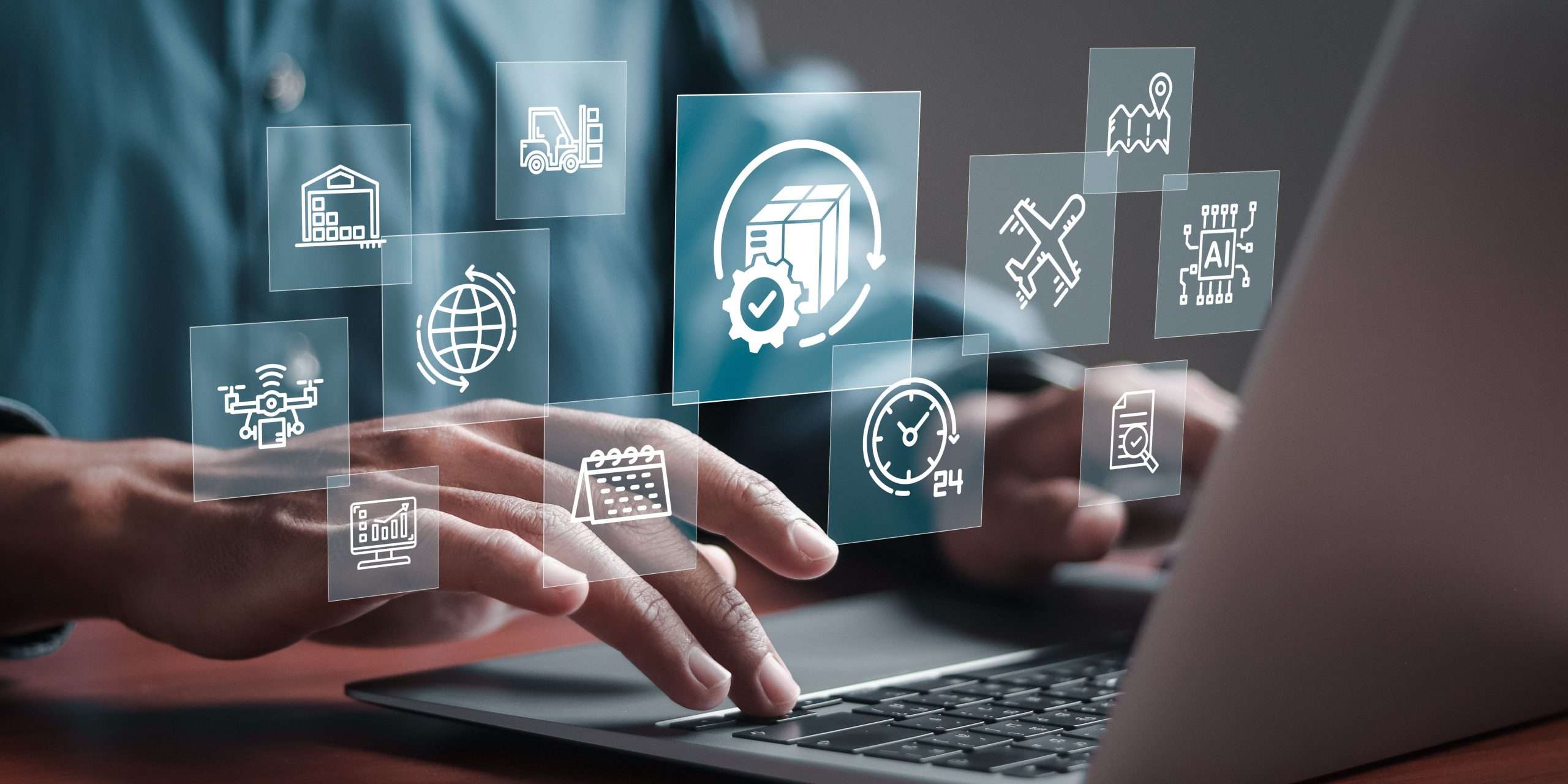
Unlike physical goods, bank transfers, or paper-based instruments, digital value does not rely on logistics, storage, or prolonged settlement cycles. It moves instantly, globally, and with minimal overhead. This shift is changing how people support families, stay connected, and participate in everyday economic life.
Why Speed Is No Longer a Luxury
Speed used to be a competitive advantage. Today, it is an expectation. Consumers have grown accustomed to instant access in communication, entertainment, and information. Economic activity is following the same path.
Digital value operates in real time. Mobile top-ups, eSIMs, and digital gift cards are delivered the moment a transaction is completed. There is no shipping, no intermediaries handling physical stock, and no waiting period that introduces uncertainty. The faster value moves, the more reliable it feels.
This reliability is not psychological alone. It is structural. Systems designed for digital delivery remove entire layers of infrastructure that once slowed transactions down.
The Cost of Heavy Systems
Traditional value exchange relies on weighty systems. Physical cards must be printed, transported, and stored. Cash distribution requires security, logistics, and compliance at every step. Even conventional digital payments often depend on banking rails that were not designed for instant global movement.
Each layer adds cost, time, and potential failure points. The efficiency economy strips these layers away. Digital value is lightweight because it exists as code, not objects. It does not degrade, expire in transit, or require physical handling.
Platforms that operate purely in digital value benefit from this structural simplicity. They can scale reach without scaling infrastructure at the same rate.
Reach Without Expansion, Topupspot.com in perspective
One of the defining traits of the efficiency economy is reach without physical expansion. A digital platform can serve users across multiple countries without opening branches, deploying hardware, or maintaining inventory.
This matters for everyday use cases. A person supporting a family member abroad does not need a bank relationship in both countries. A traveler does not need to visit a local store to stay connected. A gift does not need to cross borders physically to be meaningful.
TopupSpot.com operates within this model by enabling users to send mobile credit, eSIMs, and digital gift cards across regions through a single digital interface. The value moves faster because the system behind it is lighter.
Efficiency Changes Behavior
When systems become efficient, behavior adapts. People plan differently when they know value will arrive instantly. They act with more confidence when delivery is predictable. They rely on digital tools not as backups, but as defaults.
This shift reduces waste in both time and resources. There is no overbuying to account for delays and no contingency planning around delivery failures. The system works when needed, which encourages intentional use rather than excess.
Efficiency also lowers the barrier to participation. Users do not need deep financial knowledge or access to complex systems. They only need a clear outcome.
Lightweight Systems Are More Resilient
Heavy systems struggle under pressure. When demand spikes or conditions change, complexity becomes a liability. Lightweight systems respond faster because there are fewer dependencies to manage.
Digital value platforms are inherently adaptable. Catalogs can be updated without reprinting. Coverage can expand without physical deployment. User experience can improve without disrupting supply chains.
This adaptability makes digital value particularly suited to a global environment where needs shift quickly. Efficiency is not just about speed, but about resilience.
The Environmental Dimension of Efficiency
There is also a quiet sustainability aspect to the efficiency economy. Digital value reduces the need for plastic cards, packaging, transportation, and storage. While sustainability may not be the primary driver for users, it is an outcome of lighter systems.
Less infrastructure means less material consumption. The same reach is achieved with fewer resources. Over time, this efficiency compounds.
From Ownership to Access
The efficiency economy favors access over ownership. People care less about possessing objects and more about what those objects enable them to do. Digital value aligns naturally with this mindset.
A mobile top-up is not owned in the traditional sense. It is used. A digital gift card is redeemed, not stored. Value flows toward purpose, not accumulation.
TopupSpot.com reflects this shift by focusing on usable digital value rather than financial abstraction. The emphasis is on what the recipient can do immediately, not on managing balances or accounts.
Efficiency as the New Advantage
The efficient economy is not about doing more. It is about doing better with less. Digital value moves faster and lighter because it is designed for a world where speed, clarity, and reach matter more than form.
As economic activity continues to digitize, the systems that succeed will be those that reduce friction rather than add features. In that landscape, lightweight digital value is not a trend. It is infrastructure.