The automotive industry of 2026 is no longer defined solely by horsepower or mechanical engineering; it is defined by its “digital chassis.” The convergence of Big Data and Automation has transformed the vehicle from a standalone machine into a connected, intelligent node within a global ecosystem. For a modern Business, the ability to harness the terabytes of data generated by every vehicle is a core competitive advantage. As Artificial Intelligence matures, it is being integrated into every phase of the automotive lifecycle—from the factory floor to the driver’s seat. This article examines the professional standards and technological shifts that are driving the next era of automotive excellence.
The Big Data Revolution in Vehicle Development
In 2026, the development cycle of a new vehicle has been drastically shortened through the professional application of Big Data analytics. Manufacturers no longer rely solely on physical prototypes; they use “Digital Twins” to simulate millions of miles of driving in various environmental conditions.
-
Sensor Fusion and Real-Time Analytics: Modern vehicles are equipped with a suite of sensors—LiDAR, radar, and high-resolution cameras—that collect massive volumes of data every second. A professional Business uses this data to refine safety algorithms, improving the precision of features like Automatic Emergency Braking (AEB) and Lane-Keeping Assistance.
-
Continuous Feedback Loops: Through over-the-air (OTA) updates, a Business can collect performance data from thousands of vehicles on the road. This information is funneled back into the R&D process, allowing engineers to identify and fix software bugs or optimize battery performance in real-time, long after the vehicle has left the showroom.
Automation and Smart Manufacturing (Industry 4.0)
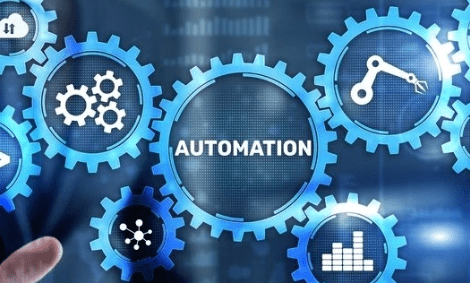
The automotive factory of 2026 is a model of high-fidelity automation. By integrating Artificial Intelligence with robotic systems, manufacturers have achieved a level of precision and efficiency that was previously impossible.
-
AI-Powered Quality Inspection: Traditional manual inspections are being replaced by high-speed computer vision systems. These systems can detect microscopic defects in paint, welding, or assembly at a rate of thousands of parts per hour, ensuring that every vehicle meets the highest professional standards of quality.
-
Autonomous Mobile Robots (AMRs): On the factory floor, AMRs move components and sub-assemblies with surgical precision, navigating complex environments without human intervention. This Technology reduces the risk of workplace injuries and ensures a consistent flow of materials to the assembly line.
Predictive Maintenance: Moving from Reactive to Proactive
One of the most significant Business benefits of Big Data is the shift toward predictive maintenance. In 2026, a vehicle can “diagnose” itself and alert the owner before a failure occurs.
-
Condition-Based Servicing: By analyzing data on engine temperature, vibration patterns, and fluid levels, Artificial Intelligence can predict when a part is nearing the end of its life. A professional organization uses this information to proactively schedule service appointments, reducing unplanned downtime for fleet operators and individual drivers alike.
-
Supply Chain Synchronization: When a vehicle identifies a needed repair, the system can automatically check for part availability at the nearest service center. This integration of Technology ensures that the right parts are ready when the customer arrives, maximizing the efficiency of the after-sales Business.
The Path to Full Autonomy
The ultimate goal of automotive automation is the fully autonomous vehicle. In 2026, the industry has reached “Level 4” autonomy in specific urban environments, a feat made possible by the processing of astronomical amounts of data.
-
Edge Computing for Instant Decision-Making: To navigate complex traffic, autonomous vehicles use edge computing to process data locally. This minimizes latency, allowing the vehicle to make split-second decisions—such as swerving to avoid an obstacle—with a professional level of safety and precision.
-
V2X Communication: Vehicles now communicate with each other (V2V) and with smart city infrastructure (V2I). This collective Big Data network allows for “platooning,” where vehicles travel close together at high speeds to reduce drag and improve fuel efficiency, all managed by automated systems.
Digital Marketing in the Connected Car Era
The rise of the “Connected Car” has opened new avenues for Digital Marketing. The vehicle’s dashboard has become a personalized interface where a Business can engage with its customers in a highly relevant way.
-
Context-Aware Recommendations: Using GPS and user preference data, a Business can offer real-time suggestions for nearby charging stations, restaurants, or services. This professional application of data adds value to the driving experience while creating new revenue streams for the automaker.
-
Usage-Based Insurance: Big Data allows insurance companies to offer personalized premiums based on actual driving behavior. Drivers who demonstrate professional habits—such as smooth braking and adherence to speed limits—are rewarded with lower rates, incentivizing safer roads for everyone.
Conclusion: The Software-Defined Vehicle
The automotive industry of 2026 is no longer just about building cars; it is about building software on wheels. The synergy of Big Data, Automation, and Artificial Intelligence has redefined what it means to be a professional automotive organization. By embracing these technologies, businesses can deliver vehicles that are safer, more efficient, and more personalized than ever before. The future of transportation is digital, and the road ahead is paved with data.