Office coffee culture has evolved from simple caffeine consumption to a cornerstone of workplace social dynamics and productivity. In Pakistani corporate environments, from Karachi’s financial district to Lahore’s tech hubs, how teams approach their beverage rituals significantly impacts collaboration, morale, and overall performance. Understanding the psychology and practical elements of office beverage culture reveals opportunities for enhancing workplace wellness and team cohesion.
The Social Architecture of Coffee Breaks
Coffee breaks serve functions far beyond caffeine delivery. These informal gatherings create neutral spaces where hierarchies temporarily dissolve, enabling cross-departmental conversations that rarely occur in formal settings. Junior team members gain access to senior leadership perspectives, while managers develop a better understanding of ground-level challenges.
Quality coffee mugs become part of workplace identity and personal comfort. Research on workplace psychology demonstrates that small personal items create psychological ownership of space, increasing engagement and job satisfaction. Pakistani offices increasingly recognize that investing in quality beverage equipment demonstrates organizational care for employee experience.
Temperature and Productivity Patterns
Pakistan’s climate creates unique challenges for maintaining optimal beverage temperatures throughout the workday. Morning coffees quickly cool in air-conditioned offices, while afternoon drinks warm uncomfortably during power outages or in spaces with inadequate cooling.
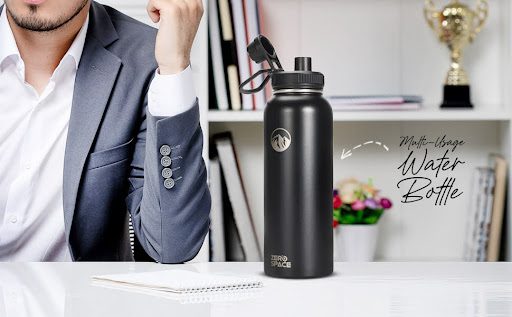
Temperature affects not just enjoyment but consumption patterns. Lukewarm coffee sits untouched while properly hot coffee gets consumed, delivering its cognitive benefits. This seemingly minor detail impacts whether employees receive the alertness boost that coffee breaks are meant to provide.
Individual Versus Shared Beverage Infrastructure
Organizations face decisions about beverage infrastructure. Some provide communal coffee stations with standard mugs, while others encourage employees to maintain personal beverage equipment. Each approach carries distinct implications for hygiene, sustainability, and workplace culture.
Personal beverage containers reduce disease transmission, particularly relevant in post-pandemic workplace considerations. Employees using their own equipment control cleanliness standards and avoid concerns about shared utensils. Quality personal containers also maintain beverage temperature far longer than standard office mugs.
The Economics of Office Beverage Culture
Organizations spend substantial amounts on coffee, tea, and related supplies. A 50-person office consuming average amounts spends PKR 150,000-250,000 annually on beverages alone. These costs multiply when including equipment maintenance, cleaning supplies, and staff time.
Progressive organizations view these expenses as investments in productivity and retention rather than mere costs. Providing quality beverages and equipment demonstrates employee value. Some companies allow team members to expense personal quality beverage containers, recognizing that comfortable, well-equipped employees perform better.
Beverage Breaks and Mental Health
Structured breaks combat workplace stress and burnout. Stepping away from desks, even briefly, reduces mental fatigue and improves sustained attention. Beverage breaks provide socially acceptable excuses for these necessary pauses.
The ritual aspects matter as much as the substances consumed. Preparing tea or coffee creates mindful moments that interrupt workflow stress. These micro-meditations, though rarely recognized as such, contribute to emotional regulation throughout the workday.
Equipment Quality and User Experience
The vessels’ employees’ use of the vessels significantly impacts their beverage experience. Standard ceramic mugs cool quickly and break easily. Employees frequently complain about lukewarm coffee or having to make multiple trips for refills.
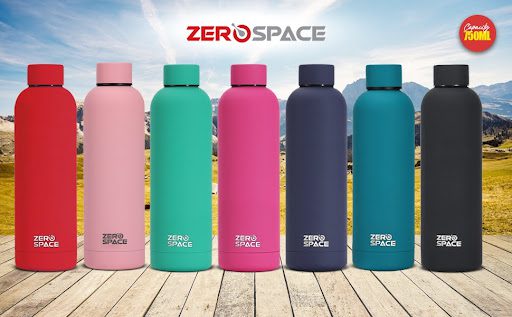
Modern insulated options like coffee tumblers solve these problems elegantly. Beverages maintain optimal temperature for hours, reducing interruption frequency and ensuring consistent enjoyment. Spillproof designs protect laptops and documents from costly accidents.
Creating Inclusive Beverage Culture
Diverse workplaces require inclusive beverage offerings. While coffee dominates many office cultures, accommodating tea drinkers, those avoiding caffeine, and various cultural preferences demonstrates respect for employee diversity.
Pakistani offices navigate particular considerations, balancing traditional chai culture with international coffee preferences. The most successful environments offer variety while creating shared spaces where different beverage preferences coexist comfortably.
Sustainability Considerations
Office beverage culture generates significant waste through disposable cups, stirrers, and packaging. Environmentally conscious organizations increasingly address this through reusable equipment and bulk supply purchasing.
Encouraging personal reusable containers dramatically reduces waste. Some organizations gamify sustainability, tracking reductions in disposable cup usage and celebrating environmental milestones. These initiatives align employee values with organizational goals while reducing costs.
Remote Work and Beverage Culture Evolution
Hybrid work models change office beverage dynamics. Employees working from home invest in personal equipment rather than relying on office supplies. Organizations supporting this transition through equipment allowances or stipends maintain a connection to remote workers while supporting their home office setup.
Virtual coffee breaks attempt to recreate informal office interactions in digital spaces. While imperfect substitutes for in-person gatherings, these scheduled social times help distributed teams maintain cohesion and casual communication channels.
Measuring Beverage Culture Impact
Organizations tracking employee satisfaction often find that beverage quality and break culture influence scores. Exit interviews reveal that seemingly minor amenities like quality coffee equipment factor into retention decisions, particularly for younger employees who value workplace experience quality.
Conclusion
Office beverage culture represents far more than caffeine delivery systems. These rituals create social cohesion, provide necessary mental breaks, and communicate organizational values. Companies that thoughtfully design beverage infrastructure and culture invest in productivity, morale, and retention. In competitive talent markets, quality beverage experiences become differentiators that signal deeper organizational commitment to employee well-being.