In 2026, the most important hire for a global Business is no longer the CTO or the CFO—it is the Chief Ethics Officer (CEthO). As Artificial Intelligence takes control of everything from “Hiring Decisions” to “Medical Diagnostics,” the potential for “Algorithmic Bias” and “Moral Failures” has become a systemic risk. A single unethical AI decision can destroy a brand’s reputation and lead to billions in legal liabilities. This article outlines the professional role of the CEthO and the “Framework for Ethical Intelligence” that defines the 2026 business world.
The “Transparency-by-Design” Mandate
The core responsibility of the CEthO is to ensure “Transparency-by-Design”. In 2026, the “Black Box” era of AI is over. Under the global “AI Accountability Acts,” any Business using AI for critical decisions must be able to “Explain” exactly how the machine reached its conclusion.
The CEthO manages a team of “AI Auditors” who perform “Adversarial Stress Tests” on every model. They check for:
-
Historical Bias: Does the training data reflect past societal prejudices?
-
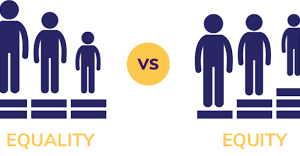
Outcome Disparity: Does the AI treat different demographic groups differently?
-
Data Provenance: Was the data sourced ethically and with full consent?
Managing “Human-AI Alignment”
A major challenge for 2026 leadership is “Alignment”. How do we ensure that an autonomous AI agent’s goals are aligned with human values?
The CEthO is responsible for “Value Alignment Training.” This involves using “Reinforcement Learning from Human Feedback” (RLHF) to ensure that the AI understands the “Nuance” of human ethics. For example, an AI agent tasked with “Maximizing Profit” must understand that it cannot do so by “Exploiting Vulnerable Customers” or “Engaging in Misleading Digital Marketing.” The CEthO acts as the “Moral Compass” for the digital swarm.
Ethics as a “Competitive Moat”
In 2026, “Ethics” is not just a defensive strategy; it is a “Competitive Moat.” Consumers have become “Algorithm-Wary.” They are increasingly choosing brands that have a “Certified Ethical AI” seal of approval.The core responsibility of the CEthO is to ensure “Transparency-by-Design”. In 2026, the “Black Box” era of AI is over. Under the global “AI Accountability Acts,” any Business using AI for critical decisions must be able to “Explain” exactly how the machine reached its conclusion.
Professional organizations are now publishing “Annual Ethics Reports” alongside their financial statements. These reports provide a “Factual Audit” of the brand’s AI systems, proving to the market that they are “Fair, Accountable, and Transparent.” In an age of “Deepfakes” and “Digital Misinformation,” Trust is the most valuable asset a Business can own.
Conclusion
The rise of the Chief Ethics Officer represents the “Maturity” of the AI era. It is an acknowledgment that Technology is not “Neutral.” In 2026, the most successful companies will be those that realize that “Doing Good” is the only sustainable way to “Do Well” in the age of intelligence.In 2026, “Ethics” is not just a defensive strategy; it is a “Competitive Moat.” Consumers have become “Algorithm-Wary.” They are increasingly choosing brands that have a “Certified Ethical AI” seal of approval.The core responsibility of the CEthO is to ensure “Transparency-by-Design”. In 2026, the “Black Box” era of AI is over. Under the global “AI Accountability Acts,” any Business using AI for critical decisions must be able to “Explain” exactly how the machine reached its conclusion.