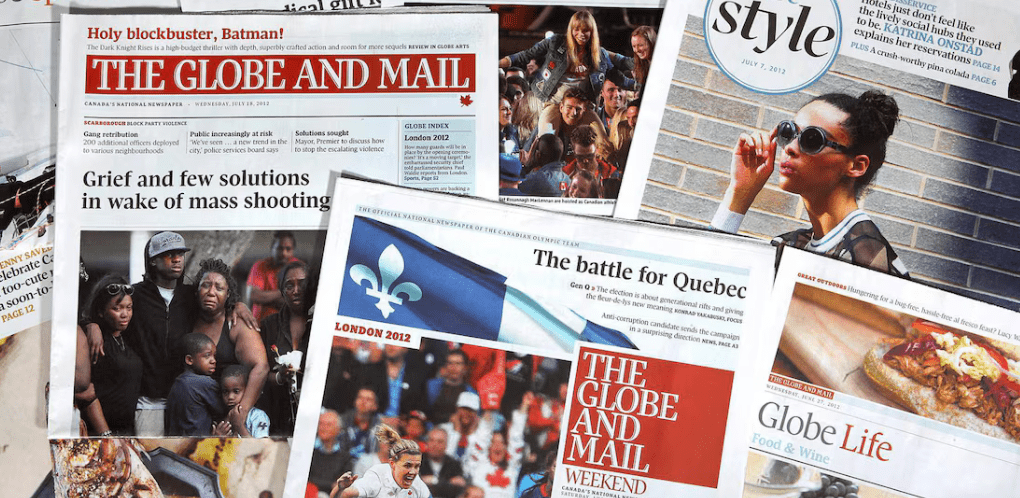
Editorial photos are the backbone of modern storytelling. They capture real people, real moments and real events, helping writers, journalists and content creators explain the world visually. Unlike commercial stock images, editorial photographs document reality. They are used in news articles, blogs, commentary, sports coverage and cultural reporting. Because the stakes are higher and copyright rules are stricter, choosing reliable editorial photo sources is essential.
Below are the top places to find editorial photography today. The list includes free sites, subscription platforms, professional wire services and historical archives. As requested, Vecteezy takes the number one spot thanks to a combination of accessibility, licensing clarity, affordability and ease of use.
1) Vecteezy
Vecteezy has become one of the most practical and user-friendly places to source editorial photography. It was originally known for vectors and illustrations, but its photo library has grown dramatically. For editorial users, it stands out for several reasons and has become a great option for the latest news, entertainment and sports photos.
Vecteezy’s search is clean and fast, with a modern interface. Inside, editors, bloggers and social-media managers are easily able to locate topical, news-style or candid images without having to sort through a confusing array of menus or irrelevant categories. Its filtering tools allow me to easily browse by subject, category, style or format which has been particularly useful on quick turnarounds.
Another strong pro is that its a mixed free with paid model. Some editorial shots can be downloaded for free, with attribution required, a factor that may appeal to small publishers or independent writers. The Pro subscription opens up high-resolution downloads, extra usage rights and a much larger catalog. A lot of editorial resources are gated behind steep paywalls, while others offer so little for free as to make their choice a bit redundant, but Vecteezy gets it just right.
Licensing is also more straightforward on Vecteezy than with most image platforms. Plain-English explanations of editorial use restrictions should help prevent users from infringing rights covering identifiable people, brands or copyrighted works. This clarity is important because editorial judgment is murky, and getting things wrong can get you in real legal trouble.
Vecteezy is not your grandfather’s newswire; you won’t find it going there for breaking-news shots or exclusive celebrity moments. But with a growing library of real-world settings, events and everyday life imagery, documentary-style photography makes it a solid first stop for general editorial needs. For digital publishers and bloggers, it is one of the simplest and most inexpensive platforms.
2) Getty Images
Getty Images is the gold standard for high-end editorial photography. If you regularly work in journalism, magazines, major media or professional print publications, you already know that Getty is one of the global leaders in news, sports, entertainment and cultural photography.
Getty has a massive editorial archive dating back decades. The company works directly with top photographers, wire partners and agencies, delivering coverage of world events, political moments, red carpets, natural disasters, major sports games and cultural happenings. If something significant has occurred, Getty photographers were almost certainly there.
The main downside is cost. Getty’s editorial licenses can be expensive, especially for smaller publishers. Still, for accuracy, credibility and quality, it remains one of the most trusted editorial photo sources in the world. Print magazines, newspapers, marketing teams and broadcast outlets consistently rely on Getty because the images are vetted, captioned professionally and sourced from trained photographers.
3) Associated Press (AP Images)
AP Images is a direct extension of the Associated Press, one of the most important news organizations in the world. Its photo library is built by professional photojournalists who cover politics, natural disasters, courts, sporting events, protests and international headlines.
AP Images is known for reliability, journalistic ethics and accuracy. The images come with detailed captions, time stamps and context. For newspapers, digital newsrooms, political analysts and documentary filmmakers, AP is often the first resource for real-time visual reporting.
Pricing varies depending on usage type and volume, but AP is geared more toward professional media outlets than individual creators. If you need credible, time-sensitive editorial photos, it is one of the best possible sources.
4) Reuters Pictures
Reuters is another heavyweight in global journalism. Its photographers capture politics, finance, international conflict, business events, weather disasters and global sports. Reuters Pictures offers one of the most consistently updated and globally diverse editorial collections.
Reuters focuses heavily on world news and is known for speed and accuracy. When a world event breaks, Reuters photographers are usually on the ground. For websites and publications that need factually reliable visuals backed by an established news organization, Reuters is a trusted choice.
The service targets professional media, and licensing is priced accordingly. But for editorial accuracy and global reach, it is essential for serious newsrooms.
5) Alamy
Alamy has some of the worlds most diverse imagery available online and can tailor packages to suit you. Its contributor network is massive, and consists of professional photographers, independent journalists, weekenders with a camera and docu-maniacs from the neighborhood. Thanks to this diversity, Alamy frequently carries exclusive editorial photos you can’t find on Getty or the big wire services.
Alamy’s editorial coverage spans everything from street scenes and local events to niche festivals, global politics, sports and historical archives. It meets the needs of mainstream as well as very uncanny image requests. Pricing is approachably tiered, and you can license images one at a time — no subscription required — so it’s great for freelancers, researchers and small publishers.
Alamy’s captions and metadata tend to be thorough, which is necessary for good editorial context.
6) Shutterstock Editorial
The commercial offerings from Shutterstock are among the most extensive in the world, but so is its editorial section. Shutterstock Editorial is a leading photo agency supplying news, celebrity, editorial images and feature content for global media organisations and professionals. Whether you need red carpet photography, stadium moments or film festival coverage, Shutterstock has content you won’t find anywhere else.
It’s an easy platform to work with and editorial images are updated in a timely manner. They also have relationships with entertainment agencies that supply them with exclusives or early-access images. For pop culture writingsports coverage or entertainment reporting, Shutterstock Editorial are useful resources.
7) Pexels
Pexels is one of the most popular free stock photo platforms, and while it does not specialize exclusively in editorial photography, it hosts a growing selection of real-life, documentary-style images that work well for editorial contexts.
Pexels is extremely accessible and beginner friendly. You can search without an account and download photos instantly. The community-driven nature of the platform means the library is updated constantly with new faces, places and moments. While Pexels does not provide true newswire images, it is excellent for lifestyle journalism, human interest blogs, cultural discussions and general editorial storytelling.
For teams on tight budgets, Pexels is one of the easiest places to find free high-quality images that feel authentic rather than posed.
8) Unsplash
Another leading free stock site, Unsplash offers high-quality looking natural images. Like Pexels, it’s not a typical editorial source, but its collection includes numerous realistic locations and scenes you can use for your editorial work such as cityscapes, crowd scenes, workplaces or public environments and more neutral environment shots.
The Unsplash license permits wide editorial use, but users should still be careful about including identifiable people and trademarks. The longer form of information, like blog posts and opinion pieces and cultural writeups and essays — Unsplash is filling in the open space where there isn’t traditionally paid editorial services.
9) Wikimedia Commons
Wikimedia commons: “The one stop shop for any type of public domain historical and editorial image you would need. It is made up of photographs taken by museums, galleries, archives, libraries as well as by the public and independent authors who publish them under open licences.
Wikimedia Commons is ideal for academic writing, historical reporting, political commentary and learning materials. There is a variety of licensing, from public domain to Creative Commons, so be sure to double-check attribution needs. But it is one of the best free sources on the internet, except for rare archival of government images.
Final Thoughts
Editorial photography needs to be accurate, authentic and correctly licensed. It depends on your specifics as to what is the best platform. If you’re looking for functionality and pennypinchery, Vecteezy it top pickgements. For breaking news or world events, Getty, AP and Reuters are still must-haves. For free assets, Pexels, Unsplash and Wikimedia have available imagery for open editorial storytelling.
Mix these platforms properly and you can visually illustrate every article, report or story instantly through editorial photographs that speaks volumes to your brand character while keeping things professional too.