In 2026, the automotive supply chain has transitioned from a linear series of handoffs to a multidimensional, self-optimizing ecosystem. The volatility of the early 2020s has been replaced by a professional framework of Big Data orchestration and Automation. For a modern automotive Business, logistics is no longer a cost center to be managed, but a strategic engine driven by Artificial Intelligence. This article explores how manufacturers are using real-time data to build supply chains that are not only efficient but inherently resilient to global disruption.
Real-Time Visibility Through Data Convergence
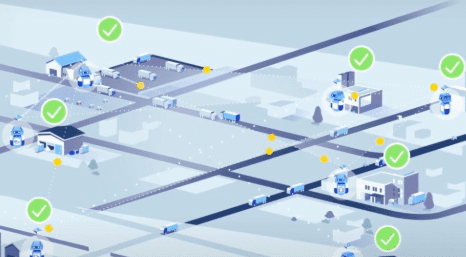
The hallmark of a professional supply chain in 2026 is “Total Visibility.” By integrating data from suppliers, logistics providers, and internal production systems, a Business creates a transparent digital map of its entire operation.
-
Connected Supplier Networks: Manufacturers are now digitally linked to their “Tier 1” and “Tier 2” suppliers. This allows for the real-time sharing of inventory levels and production schedules, ensuring that a Business can identify a potential parts shortage weeks before it affects the assembly line.
-
IoT and Telematics in Transit: Every shipment is a data point. Using Technology like GPS and smart sensors, logistics managers monitor the location, temperature, and even the vibration levels of sensitive components in transit. This high-fidelity data ensures that parts arrive in professional condition and on a precise schedule.
AI-Driven Demand and Risk Forecasting
In 2026, Artificial Intelligence has turned forecasting from a reactive exercise into a predictive science. By analyzing vast amounts of Big Data, companies can anticipate market shifts and external risks with startling accuracy.
-
Macro-Economic Modeling: AI systems scan thousands of global signals—from geopolitical events to commodity price fluctuations—to predict potential disruptions. A professional organization uses these insights to build “strategic buffers” in its inventory, protecting the Business from sudden shocks.
-
Hyper-Local Demand Sensing: By analyzing Digital Marketing trends and regional economic data, a Business can predict which vehicle models will be in high demand in specific cities. This allows for the “pre-positioning” of inventory, reducing delivery times and improving the customer experience.
Automation in the Warehouse and Distribution Center
The physical movement of parts has been revolutionized by high-speed Automation. The automotive warehouse of 2026 is a center of robotic efficiency.
-
Swarm Intelligence in Mobile Robotics: Fleets of Autonomous Mobile Robots (AMRs) now communicate with each other to optimize picking and packing routes. This application of Technology eliminates bottlenecks and allows a Business to handle a higher volume of parts with a smaller physical footprint.
-
Automated Quality Audits: As parts arrive, AI-powered vision systems automatically inspect them for damage or defects. This ensures that only components meeting the highest professional standards enter the production stream, reducing the risk of costly rework later in the process.
The Rise of “Local-for-Local” Manufacturing
A major trend in 2026 is the shift toward regionalized supply chains, often referred to as “Local-for-Local.” Technology has made it possible to bring production closer to the end consumer without sacrificing the economies of scale.
-
Digital Twin Supply Chains: Before building a new regional facility, a Business uses Big Data to create a digital twin of the entire local ecosystem. This simulation helps leaders understand the local labor market, utility costs, and logistics infrastructure, ensuring a professional and profitable expansion.
-
3D Printing for On-Demand Parts: For low-volume or legacy components, many automotive firms are utilizing industrial 3D printing. This “digital inventory” reduces the need for massive warehouses and allows a Business to produce parts exactly when and where they are needed.
Sustainability as a Data Metric
In 2026, a professional supply chain must also be a sustainable one. Big Data is the primary tool for measuring and reducing the environmental impact of automotive logistics.
-
Carbon Tracking and Optimization: AI algorithms now calculate the carbon footprint of every shipping route. A professional Business uses this data to choose the most eco-efficient transport methods, aligning its operations with global ESG (Environmental, Social, and Governance) standards.
-
Circular Economy Integration: Technology is being used to track the lifecycle of vehicle components, from production to recycling. By maintaining a digital record of materials, a Business can reclaim and reuse valuable resources, reducing waste and strengthening its long-term resilience.
Conclusion: The Resilient Future
The automotive supply chain of 2026 is a masterpiece of digital and physical integration. By harnessing Big Data and Automation, professional organizations have built systems that are not just fast, but “anti-fragile”—growing stronger and more efficient with every new piece of information. As Artificial Intelligence continues to evolve, the gap between a standard Business and a data-driven leader will only widen. The future of automotive success is found in the ability to see further, move faster, and adapt more intelligently than the competition.