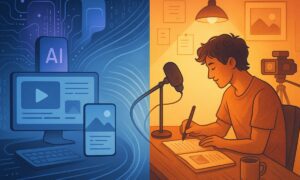
Artificial intelligence is rapidly redefining creativity, and one of the most exciting breakthroughs is Text to Song technology. This innovation allows anyone to turn written text—whether it’s lyrics, poetry, or even a simple idea—into a fully composed musical track in minutes. What once required songwriters, composers, vocalists, and producers can now be achieved with a few clicks.
A leading platform in this space is TextToSong.ai, which enables creators, marketers, and everyday users to generate original songs directly from text prompts. You can explore the tool here:
What Is Text to Song?
Text to Song is an AI-driven process that converts written language into music. The system analyzes your input to understand:
- Emotional tone
- Rhythm and phrasing
- Context and theme
- Desired musical style
It then generates a composition that includes melody, harmony, instrumentation, and even AI-synthesized vocals. Essentially, it acts like a digital music producer that understands language as well as sound.
This technology bridges the gap between writing and music production, making song creation accessible to people with no musical background.
Why Text to Song Is Becoming So Popular
1. Music Creation Without Technical Skills
Traditionally, creating a song required knowledge of music theory, instruments, recording software, and editing tools. Text to Song eliminates those barriers by allowing users to focus purely on ideas and storytelling.
2. Faster Than Traditional Production
What once took weeks in a studio can now be done in minutes. AI handles composition, arrangement, and vocal generation automatically, saving time for creators who need quick results.
3. Perfect for the Creator Economy
Content creators constantly need fresh audio for:
- YouTube videos
- Podcasts
- Social media reels
- Brand campaigns
Instead of searching for royalty-free music, they can generate custom songs tailored to their exact message.
4. Affordable Alternative to Hiring Musicians
Hiring composers and vocalists can be expensive. Text to Song offers a cost-effective solution for startups, small businesses, and independent creators.
How Text to Song Technology Works
Behind the scenes, Text to Song platforms rely on advanced AI models trained on massive datasets of music and language. These systems combine:
- Natural Language Processing (NLP) – to interpret meaning and emotion in text
- Generative Audio Models – to compose melodies and harmonies
- Voice Synthesis – to create realistic singing vocals
- Music Theory Algorithms – to structure songs naturally
The AI doesn’t just “guess” sounds—it learns patterns from thousands of musical styles to create compositions that feel intentional and professional.
Key Features of Modern Text to Song Platforms
🎵 Lyric-to-Music Conversion
Users can paste their own lyrics, and the AI builds a song structure around them, including verses, chorus, and transitions.
🎧 Genre Customization
Choose from styles such as:
- Pop
- Rock
- Electronic
- Jazz
- Cinematic
- Acoustic
The AI adapts instrumentation and tempo accordingly.
🎤 AI-Generated Vocals
Many tools can generate natural-sounding voices, removing the need to record singers.
⚡ Instant Song Generation
Songs are typically created in minutes, enabling rapid experimentation and iteration.
📁 Downloadable Tracks
Users can export audio files ready for publishing, editing, or sharing across platforms.
Who Can Benefit from Text to Song?
1. Content Creators
Influencers and video creators can produce unique background music tailored to each piece of content, avoiding copyright concerns.
2. Marketers and Businesses
Brands can generate custom jingles or promotional songs aligned with their messaging, helping campaigns stand out.
3. Songwriters and Musicians
Artists can use AI as a creative partner to:
- Generate demos
- Overcome writer’s block
- Explore new styles
4. Educators and Students
Teachers can create engaging musical material for lessons, while students can experiment with songwriting in a fun, accessible way.
5. Hobbyists and Casual Users
Even if you’ve never touched an instrument, Text to Song lets you bring personal ideas to life—whether it’s a birthday song or a passion project.
Step-by-Step: Creating Your First AI Song
Here’s how simple the process typically is:
Step 1: Enter Your Text
Write lyrics, describe a mood, or provide a theme like:
“An uplifting song about chasing dreams.”
Step 2: Select Style and Preferences
Choose genre, tempo, and vocal style to shape the musical direction.
Step 3: Generate the Song
The AI composes melody, instruments, and vocals automatically.
Step 4: Preview and Refine
Listen to the output, tweak the input if needed, and regenerate variations.
Step 5: Download and Use
Export the finished track for videos, marketing, or personal listening.
Advantages of Using Text to Song Tools
✔ Speed – Create songs in minutes
✔ Accessibility – No musical expertise required
✔ Customization – Tailor music to specific themes
✔ Cost Efficiency – Avoid expensive production workflows
✔ Creative Freedom – Experiment endlessly without limitations
✔ Scalability – Produce multiple tracks quickly for ongoing content needs
Text to Song vs Traditional Music Production
| Feature | Traditional Production | Text to Song |
| Time Required | Weeks or months | Minutes |
| Skill Needed | High | Beginner-friendly |
| Cost | Expensive | Affordable |
| Flexibility | Limited revisions | Instant variations |
| Equipment | Studio required | Web-based |
This shift doesn’t replace musicians—it enhances creativity by giving more people the ability to express musical ideas.
The Future of AI Music Creation
As AI models continue to evolve, Text to Song platforms are expected to deliver:
- More realistic vocal expression
- Greater emotional nuance
- Deeper customization controls
- Real-time collaborative songwriting
- Integration with video and animation workflows
We are moving toward an era where music creation becomes as simple as writing a paragraph—turning imagination directly into sound.
Final Thoughts
Text to Song represents one of the most exciting intersections of artificial intelligence and human creativity. By transforming written ideas into fully realized music, this technology democratizes songwriting and opens new possibilities for creators, businesses, and everyday users alike.
Whether you’re producing content, building a brand, experimenting with songwriting, or simply exploring creative expression, Text to Song tools provide a fast, accessible way to bring your ideas to life—no studio required.
Frequently Asked Questions (FAQs)
1. What is Text to Song technology?
Text to Song is an AI-powered process that converts written text—such as lyrics, ideas, or descriptions—into a complete musical composition. The system analyzes the tone and meaning of your words to generate melody, vocals, and instrumentation automatically.
2. Do I need musical experience to create a song?
No, you don’t need any musical background. Text to Song tools are designed for beginners and professionals alike. You simply enter your text, choose a style, and the AI handles the composition and production.
3. Can I customize the style of the generated song?
Yes, most platforms allow you to select genres, moods, and tempo. Whether you want a pop track, cinematic theme, or acoustic vibe, the AI adapts the music to match your preferences.
4. Can I use AI-generated songs for commercial purposes?
In many cases, yes. Platforms like TextToSong.ai offer licensing options that allow users to download and use generated tracks for marketing, videos, or other business applications. Always review the platform’s usage terms before publishing.
5. How long does it take to create a song from text?
Most Text to Song tools can generate a full track in just a few minutes. This makes it ideal for content creators, marketers, and anyone who needs high-quality music quickly without traditional production delays.