
Text to Photo Creation: A Beginner’s Complete Guide

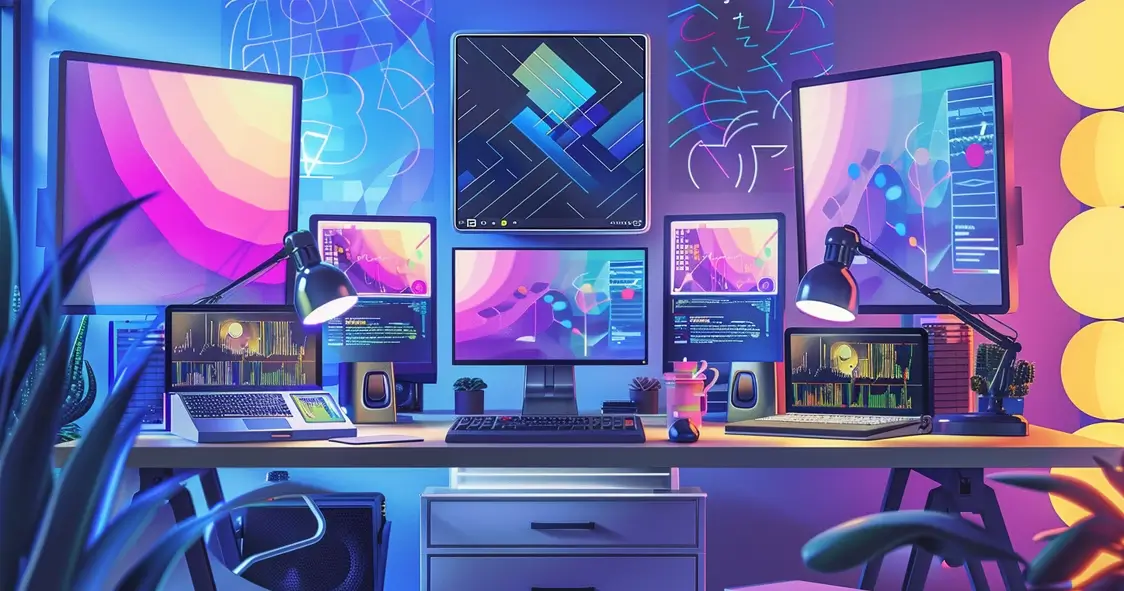
Creating photos used to need the use of a camera, graphic design tools, or creative abilities acquired through years of experience. Today, a simple textual description may be converted into a comprehensive visual in seconds. This revolution is being driven mostly by breakthroughs in artificial intelligence, which have made visual content production more accessible than ever.
The growth of Text to Photo technology on such platforms has created new opportunities for creators, marketers, educators, entrepreneurs, and regular users. Instead of starting with a drawing or an existing image, users may just explain their desired outcome and let AI systems develop a visual representation.
For novices, the procedure may appear almost miraculous. Understanding how text-to-photo systems function, as well as knowing a few recommended practices, may substantially enhance outcomes.
What Is Text to Photo Creation?
Text-to-photo production refers to the method of creating photographs using textual instructions, sometimes known as prompts.
A user types in a description like this:
“A mountain cabin surrounded by pine trees during a snowy winter evening.”
The AI reads the words, examines the links between things and surroundings, and generates a related picture.
Modern AI models are becoming more advanced, allowing them to generate:
- Landscapes
- Portraits
- Product concepts
- Marketing visuals
- Digital artwork
- Architectural designs
- Lifestyle imagery
The technology successfully translates verbal into visual data.
How Text-to-Photo Technology Works
Although the user experience appears basic, the underlying technology is quite complex.
AI systems are trained on enormous datasets of photos and textual descriptions. Models learn to make connections between words, visual elements, colors, textures, and compositions through this training process.
For instance, if a prompt includes terms like:
- Sunset
- Ocean
- Palm trees
- Golden light
The algorithm recognizes how these elements frequently occur together and generates a picture that depicts those associations.
Rather than reproducing existing pictures, newer AI models create whole new graphics based on previously acquired patterns.
Why Text to Photo Has Become So Popular
AI-generated photography is increasingly popular since it addresses a number of frequent issues.
Accessibility
People with no design skills may generate professional-looking images.
Speed
Images may be produced in seconds rather than hours.
Creativity
Users can investigate topics that might otherwise be difficult to visualize.
Cost Efficiency
Large design costs are not required to create custom visual concepts.
Flexibility
Multiple variants of the same idea can be developed fast.
These benefits entice both people and businesses to use text-to-photo technologies.
Writing Better Prompts
Prompt writing is one of the most fundamental talents for text-to-photo production.
The AI can only function with the information supplied. Clear suggestions typically give greater outcomes than ambiguous instructions.
For example, rather than:
“A dog in a park.”
Try:
“A golden retriever running through a green park during golden hour, realistic photography style, natural lighting, shallow depth of field.”
This prompt gives further background for:
- Subject
- Environment
- Lighting
- Style
- Composition
The extra information helps lead the AI to a more accurate outcome.
Elements of an Effective Prompt
Beginners generally benefit the most from instructions that offer particular details.
Subject
What is the image’s main point of focus?
Environment
Where is the scene taking place?
Lighting
What type of lighting is present?
Mood
Should the image feel energetic, calm, dramatic, or professional?
Style
Should it resemble photography, illustration, film imagery, or another visual style?
Combining these parts results in stronger and more dependable outcomes.
Common Mistakes Beginners Make
While text-to-photo technology is simple to use, novice users frequently find problems that may have been avoided.
Being Too Vague
Minimal suggestions can provide general outcomes.
Adding Too Many Ideas
Excessively complex instructions may confuse the AI and impair image quality.
Ignoring Lighting
Lighting has a significant impact on realism.
Expecting Perfection Immediately
Even skilled users frequently tweak suggestions many times before attaining the intended outcome. Understanding that picture creation is an iterative process helps to set reasonable expectations.
Realistic Images vs Artistic Images
Text-to-photo programs may generate a diverse range of visual designs.
Some people favor more realistic photographs, while others prefer creative interpretations.
Realistic images typically include:
- Natural lighting
- Accurate proportions
- Authentic textures
- Real-world environments
Artistic images may feature:
- Stylized colors
- Fantasy elements
- Painterly effects
- Creative abstractions
The desired consequence should impact the way prompts are worded.
Practical Applications of Text-to-Photo Creation
The technology has advanced beyond basic experimentation, today supporting a wide range of professional applications.
Content Marketing
Bloggers and marketers produce graphics to supplement written material.
Social Media
Custom visuals boost engagement and brand consistency.
Education
To convey complicated concepts, teachers and trainers employ visual aids.
Product Development
Teams develop concepts before investing in manufacturing.
Storytelling
Authors and makers make fictitious worlds and characters come to life.
As AI technologies advance, new applications appear on a regular basis.
The Importance of Refinement
Many beginners believe that the first image created is the final outcome.
In practice, refining frequently leads to greater results.
Common modifications include:
- Changing lighting conditions
- Modifying backgrounds
- Improving composition
- Adjusting colors
- Enhancing realism
Small adjustments to the prompt might give drastically different outcomes.
Professional producers usually create several variants before deciding on the best one.
Ethical Considerations
As text-to-photo technology becomes more widely available, appropriate use is crucial.
Users should consider:
- Accuracy of visual representations
- Transparency when appropriate
- Respect for copyright laws
- Ethical content creation practices
AI is a great creative tool, but it must be used responsibly.
Future Developments in Text-to-Photo Technology
The pace of advancement in AI picture production continues to rise.
Recent improvements have enhanced:
- Prompt understanding
- Image quality
- Facial realism
- Lighting accuracy
- Editing capabilities
Future systems are intended to provide considerably more control over composition, consistency, and personalization.
Consequently, it is expected that text-to-photo conversion would become a more common part of digital operations in various industries.
Conclusion
The ability to convert language into graphics has transformed how individuals interact with visual material. What once required specialist talents might now begin with a simple written concept. Beginners may perform better and find new creative chances if they understand the basics of good prompt writing and how AI assesses prompts.
Text-to-photo technology makes it simple to convert ideas into graphics, whether you’re producing content for a website, social media campaign, educational project, or personal experiment. In order for AI to turn ideas into visually attractive experiences, it is not only difficult to create visuals but also to effectively convey thoughts.







Comment