
Testing AI UGC Ads as a Creator: How AI Is Changing the Way We Produce Short-Form Videos

The Moment I Realized Traditional UGC Production Was Too Slow
Creating short-form videos looks simple from the outside. A phone, a script, and a person talking to the camera seem enough. But after producing content regularly, I found that the hardest part was not recording. It was repeating the process.
A single UGC-style advertisement usually requires several steps: finding a suitable creator, preparing scripts, recording different versions, editing clips, and testing which version performs better. For small teams and independent creators, this process can become expensive and time-consuming.
This challenge became more obvious when I started experimenting with multiple versions of the same idea. A different opening sentence, another product angle, or a new emotional tone could completely change audience reactions. The problem was that creating enough variations required more time than most creators had.
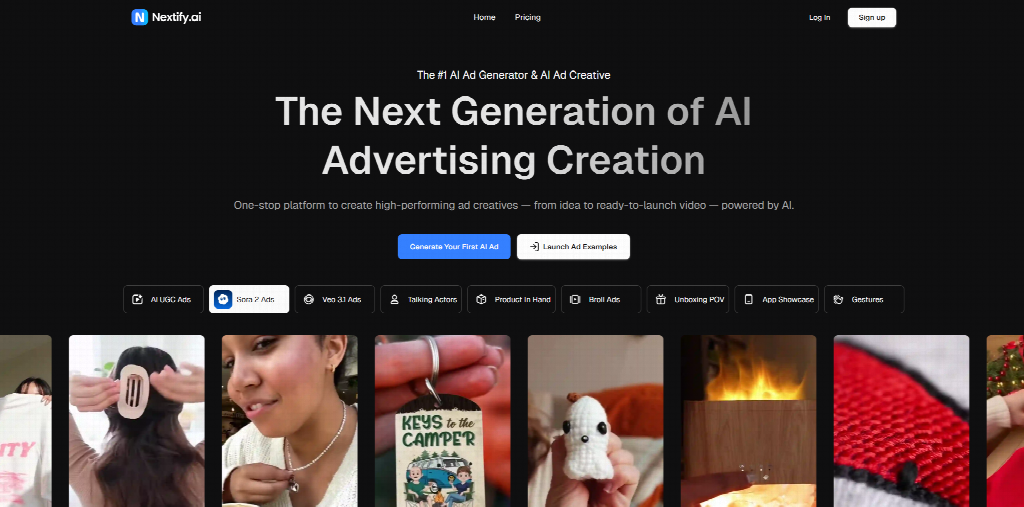
This is where AI-generated content started becoming interesting. Instead of replacing creative thinking, AI tools can help creators explore more possibilities faster. Tools like Nextify.ai’s UGC video generator represent this new workflow, where artificial intelligence supports the production and testing stages of short-form advertising.
Why UGC Advertising Became a Challenge for Modern Brands
The Growing Demand for Authentic-Looking Content
User-generated content has become popular because audiences often respond better to content that feels natural. Traditional polished advertisements can sometimes feel distant, while UGC-style videos create a more personal connection.
According to Statista, global digital advertising spending continues to grow rapidly, with social media advertising becoming one of the major channels for brands reaching customers. As competition increases, brands need more creative variations to discover what actually connects with audiences.
The challenge is not creating one video. The challenge is creating enough versions to learn from.
A brand may need different hooks, different audiences, and different storytelling styles. A skincare company might test educational content, personal experience stories, and product demonstrations at the same time. Producing all these versions manually requires significant resources.
My Experiment With AI-Assisted UGC Creation
Moving From One Video to Multiple Creative Directions
When I first explored AI-based UGC creation, I approached it from a creator’s perspective. I was not looking for a tool that could magically create a perfect advertisement.
Instead, I wanted to understand one question:
Can AI help creators produce more ideas without increasing production pressure?
During my experience with Nextify.ai’s UGC ad generation workflow, the most interesting part was not simply generating a video. It was the ability to experiment with different creative directions.
A traditional workflow often looks like this:
Idea → Script → Recording → Editing → Testing
An AI-assisted workflow can become:
Idea → Multiple Concepts → Testing → Refinement
This change is important because advertising success often depends on experimentation.
How AI UGC Video Generation Changes the Creative Process
From Production Bottleneck to Creative Exploration
An AI influencer generator can help reduce some of the most repetitive and resource-heavy parts of talent sourcing and content creation. Instead of manually recruiting, contracting, and managing multiple human creators for a single campaign, marketers can explore different virtual personas and aesthetic styles before committing more resources.
For example, imagine promoting a productivity app. Using an AI Influencer Generator, a brand might test completely different virtual characters to see which identity connects best with their target demographic:
- A polished, older corporate executive persona targeting career-focused professionals.
- A relaxed, minimalist tech enthusiast virtual creator targeting developers and designers.
- An energetic, “study-with-me” virtual student persona targeting younger academic audiences.
- A friendly, organized virtual parent avatar targeting busy families.
Each virtual influencer represents a slightly different audience mindset and lifestyle aesthetic. The value here is not only speed and scalability; it is the ability to systematically explore identity-to-audience matches to find the most effective brand representative.
Script Development Becomes More Flexible
One common challenge in UGC advertising is finding the right tone.
A script that sounds too promotional may lose viewer attention. A script that feels too casual may fail to communicate the product benefit.
AI-assisted tools can support this stage by helping creators generate different script directions and adapt content styles.
The creator still decides the message, audience, and brand personality. AI simply reduces the time needed to move from idea to experiment.
Nextify.ai and the New Generation of AI Advertising Workflows
A Practical Tool for Testing Creative Ideas
Nextify.ai focuses on AI-powered video creation workflows, including UGC-style advertising content. Its approach reflects a broader trend in marketing: using AI to accelerate creative production.
The platform is designed for users who want to create advertising videos without relying entirely on traditional production processes.
For creators, this type of tool can be useful when exploring different content angles. For marketers, it provides another way to develop creative variations during campaign preparation.
A Free AI Ad Video Generator does not remove the need for strategy. A strong advertisement still requires understanding customers, creating clear messages, and choosing the right distribution channels.
AI mainly helps shorten the distance between an idea and a testable piece of content.
Where AI UGC Tools Fit Into Real Workflows
Independent Creators
For individual creators, time is often the biggest limitation.
A YouTube Shorts or TikTok creator may have dozens of ideas but limited energy to produce every concept manually.
AI-assisted video creation can help creators quickly explore formats before deciding which ideas deserve deeper production.
Small Marketing Teams
Large companies may have dedicated creative departments. Smaller teams often need to handle multiple responsibilities at once.
A small ecommerce team, for example, may need product videos, social ads, and social media content every week.
Using AI tools can help these teams increase creative output without dramatically expanding production costs.
Brands Testing New Markets
When entering a new audience segment, brands usually need to understand what type of message works.
Creating several UGC-style videos can provide more learning opportunities.
Instead of asking:
“Which advertisement should we create?”
The question becomes:
“Which message does this audience respond to?”
The Limitations Behind AI-Generated UGC Content
Authenticity Still Requires Human Direction
One concern around AI-generated UGC is authenticity.
UGC works because it feels personal. If content becomes too artificial, viewers may lose trust.
Human creativity remains important in:
- Choosing the story angle
- Understanding audience emotions
- Creating brand identity
- Reviewing final content
AI can support production, but it cannot fully replace human understanding.
Testing Does Not Guarantee Success
More content does not automatically mean better results.
A poorly planned campaign with many videos can still fail.
The quality of the idea, audience research, and marketing strategy remain critical factors.
AI creates more opportunities for testing, but humans still need to interpret the results.
A New Way to Think About AI in Content Creation
AI as a Creative Partner, Not a Replacement
After exploring AI UGC workflows, my biggest takeaway was that the technology is less about replacing creators and more about changing how creators work.
The traditional advertising model focused heavily on producing a final video.
The AI-assisted model focuses more on exploration, testing, and improvement.
This shift is similar to how design software changed graphic creation. Tools became easier, but creative decisions remained human.
Final Thoughts
The rise of AI UGC tools reflects a larger change in digital marketing. Brands and creators are moving from producing fewer polished assets toward testing more creative possibilities.
An ai ugc video generator can help reduce repetitive production tasks and make experimentation easier. However, successful content still depends on understanding people, telling meaningful stories, and making thoughtful creative decisions.
For creators who want to explore more ideas without increasing their workload, AI-powered UGC workflows offer an interesting direction. The future of advertising may not be about choosing between humans and AI. It may be about combining human creativity with faster production technology.







Comment