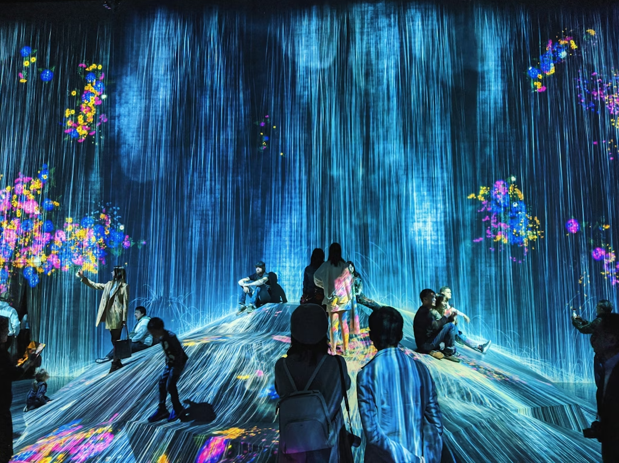
Digital art has expanded creative expression by allowing artists to explore ideas without the limitations of traditional media.
Modern software, AI tools, and cloud-based platforms streamline complex processes, making it easier to create professional-quality work efficiently. Artists can focus on vision, concept, and experimentation, and technology handles repetitive or highly technical tasks.
The rise of intuitive digital platforms has allowed beginners and experienced creators alike to explore new styles and techniques that were previously difficult or time-consuming to master.
AI-Powered Creativity for Everyone
Artificial intelligence is reshaping how artists approach digital creation.
By analyzing input images, identifying stylistic elements, and generating visual effects, AI helps creators realize concepts that would otherwise require extensive skill and time. Platforms like Deep Dream Generator allow users to transform simple images into intricate, surreal artwork. By leveraging AI, artists can experiment with patterns, textures, and visual styles that would be challenging to reproduce manually.
AI-powered tools help artists save time on repetitive tasks and offer suggestions and variations that spark new creative directions.
This approach benefits both beginners, who can produce impressive results quickly, and experienced artists, who can push boundaries without being limited by technical constraints.
Cloud-Based Platforms and Accessibility
Cloud computing removes hardware limitations from digital art creation. High-resolution rendering, AI-based effects, and complex image manipulation can now be performed remotely, reducing the need for powerful local machines.
Artists can access their projects from multiple devices, collaborate in real time, and manage versions efficiently.
Cloud platforms allow storage of large asset libraries and easy sharing of work for feedback, enabling creators to work anywhere and maintain continuity and quality in their projects.
Integration with collaborative tools improves team workflows, letting multiple artists edit, comment, or iterate on the same project simultaneously.
Cloud-based solutions often include automated backups and version history, reducing the risk of data loss or accidental overwrites.
Subscription models make advanced software more affordable, providing access to premium features without high upfront costs. Security controls, such as encryption and permission settings, protect intellectual property and support flexible collaboration.
Advanced Image Editing Software
Modern image editing tools provide far more than basic adjustments. Layers, masks, vector support, and plugin integration allow precise control over composition and style.
AI-assisted features like content-aware fills, automated masking, and style adaptation significantly reduce manual work.
By combining photography, illustration, and textures, artists can create seamless, professional-grade compositions. These tools make experimentation and refinement faster, allowing creators to spend more time on conceptual design and less on technical correction.
Non-destructive editing workflows preserve original assets, letting artists make bold changes without fear of losing previous work. Integration with color grading, retouching, and typography tools expands creative possibilities within a single platform.
Batch processing and automation streamline repetitive tasks, saving time on large projects. Advanced filters and effects libraries offer inspiration and efficiency, helping maintain a consistent aesthetic across multiple pieces.
Generative Art and Style Transfer
Generative art uses algorithms to produce patterns, textures, and imagery based on input parameters or randomness. Style transfer allows one image to adopt characteristics of another, such as applying the style of a famous painting to a photograph.
Benefits of generative tools include:
- Rapid iteration for multiple creative variations
- The ability to explore abstract or surreal ideas
- Inspiration through unexpected combinations
- Efficient creation of complex visuals without manual labor
These tools encourage experimentation and maintaining efficiency, enabling creators to explore a broader range of artistic possibilities.
Tablet and Stylus Integration
High-precision tablets and styluses replicate the tactile experience of traditional media and provide digital advantages. Pressure sensitivity, tilt recognition, and customizable brushes allow artists to draw, paint, or sketch intuitively.
When combined with AI tools or generative software, this integration lets creators add precise, hand-drawn elements alongside automated improvements. The result is artwork that blends technical precision with human creativity seamlessly.
Palm rejection and customizable shortcuts improve workflow, letting artists focus on creation rather than tool management. Multi-touch gestures allow quick zooming, rotating, and panning, improving control over fine details.
Tablets often support layered workflows, allowing complex compositions without affecting underlying elements.
Real-time feedback on strokes and color blending mimics traditional media dynamics, improving natural expression. Together, these features make digital art both efficient and expressive, bridging the gap between analog skill and digital capability.
Streamlined Workflow and Efficiency Tools
Efficiency matters for large or complex digital projects. Modern software includes automation features, batch processing, and integrated asset libraries to minimize repetitive tasks.
Key workflow benefits include:
- Templates and style presets for faster project setup
- Batch image processing for consistent effects
- Access to extensive brush, texture, and icon libraries
- Collaboration tools for real-time feedback and editing
These features allow artists to concentrate on conceptual and creative decisions rather than repetitive technical processes.
Experimentation Without Risk
Digital platforms provide a safe space for creative exploration. Layers, undo functionality, and version history allow iterative refinement without fear of damaging work.
This risk-free environment encourages experimentation with color, texture, and composition, allowing artists to develop unique styles, refine techniques, and explore unconventional ideas without costly mistakes.
Collaborative features let multiple artists test concepts together, sharing feedback instantly and preserving original work. AI-assisted suggestions can propose alternative palettes or layouts, expanding creative possibilities.
Artists can simulate different media, such as watercolor, oil, or pencil, without committing to physical materials.
Quick duplication of elements and templates allows side-by-side comparisons of ideas. The digital environment develops innovation, letting creators push boundaries safely and efficiently
Expanding Creative Opportunities
The combination of AI, cloud computing, advanced software, and intuitive input devices opens doors for personal and professional artists. Complex projects can be achieved quickly, allowing creators to focus on artistic vision rather than technical execution.
Embracing these innovations allows artists to produce visually compelling work, explore new creative directions, and achieve results that were once technically prohibitive.
Digital technology has made creating art faster, more accessible, and more imaginative than ever. AI, cloud platforms, generative algorithms, and modern hardware combine to simplify technical processes, allowing creators to concentrate on vision and experimentation.
By integrating these tools into their workflow, artists can explore styles, experiment with ideas, and produce professional results efficiently. Technology guarantees that the focus of digital art is creativity, imagination, and artistic expression, rather than technical limitations.
Read More From Techbullion