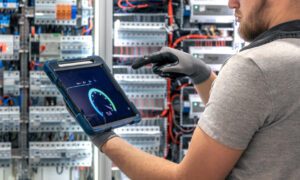
Access to quality healthcare remains one of the most persistent global challenges. Millions of people around the world continue to face barriers related to geography, cost, conflict, and lack of infrastructure. While medical knowledge has advanced rapidly, delivering that knowledge and care to vulnerable populations has often lagged behind. In recent years, technology has emerged as a critical tool to bridge this gap. From digital diagnostics to data-driven logistics, technology-driven efforts are reshaping how global medical support is planned, delivered, and sustained.
This article explores the core problems facing global medical assistance today and examines how technological solutions are transforming medical support systems across borders, cultures, and economic conditions.
The Global Healthcare Access Problem
Healthcare inequality is not limited to low-income regions. Even middle- and high-income countries experience gaps in access, particularly in rural areas, marginalized communities, and crisis situations. In many parts of the world, people must travel long distances to reach medical facilities, often delaying treatment until conditions worsen. Shortages of trained professionals, limited diagnostic equipment, and inconsistent supply chains further complicate care delivery.
Humanitarian crises amplify these challenges. Natural disasters, armed conflicts, and forced displacement can overwhelm existing health systems within days. Traditional medical response models, which rely heavily on physical presence and manual coordination, struggle to scale quickly under such conditions. As a result, preventable illnesses and complications continue to claim lives.
Data Fragmentation and Coordination Challenges
Another major problem in global medical support is the fragmentation of health data. Patient records are often incomplete, paper-based, or incompatible across regions and providers. This lack of continuity makes long-term treatment difficult and increases the risk of misdiagnosis or redundant procedures.
Coordination among medical teams also presents a challenge. When multiple actors operate in the same region without shared systems, efforts can overlap or leave critical gaps. Limited visibility into real-time needs means resources may arrive too late or in the wrong quantities.
Digital Health as a Foundational Solution
Digital health technologies are addressing many of these issues by creating scalable, adaptable systems that function even in resource-limited environments. Mobile health platforms allow patients to consult healthcare professionals remotely, reducing the need for travel and enabling earlier intervention. These tools are particularly impactful in regions where specialists are scarce.
Electronic health records, when designed for interoperability, help ensure that patient information follows individuals across clinics, regions, and even borders. Secure cloud-based systems allow authorized providers to access up-to-date medical histories, improving accuracy and continuity of care.
Telemedicine and Remote Expertise
Islamic medicine in remote efforts has become one of the most transformative solutions in global medical support. Through video consultations, messaging platforms, and remote monitoring devices, healthcare professionals can extend their expertise far beyond traditional clinical settings. This model is especially valuable during emergencies, when rapid access to specialized knowledge can be lifesaving.
Remote diagnostics powered by artificial intelligence further enhance this approach. Image recognition tools can assist in identifying conditions through scans or photographs, while decision-support systems help clinicians evaluate symptoms more effectively. These technologies do not replace medical professionals but strengthen their ability to deliver timely and informed care.
Smart Logistics and Supply Chain Optimization
Medical support depends not only on expertise but also on reliable access to supplies. Disrupted supply chains remain a major obstacle in global healthcare delivery. Technology-driven logistics solutions are helping address this problem through real-time tracking, predictive analytics, and automated inventory management.
By analyzing consumption patterns and environmental factors, digital systems can anticipate shortages before they occur. This allows medical teams to plan deliveries more efficiently and reduce waste. In remote or unstable regions, optimized routing and tracking technologies help ensure that essential medicines and equipment reach their destinations safely.
Artificial Intelligence in Preventive Care
Preventive care has long been underutilized in global health efforts due to limited resources and data. Artificial intelligence is changing this dynamic by enabling early detection of health risks at scale. Machine learning models can analyze large datasets to identify trends, predict outbreaks, and flag vulnerable populations.
These insights support targeted interventions, reducing the burden on emergency services and improving overall outcomes. In this context, technology aligns closely with humanitarian values found in initiatives inspired by principles such as IMANA medical relief and ethical frameworks connected to islamic medicine, where prevention, compassion, and community well-being are central priorities.
Training and Capacity Building Through Technology
A sustainable medical support system requires local capacity. Technology is playing a key role in training healthcare workers through online learning platforms, virtual simulations, and remote mentorship programs. These tools allow continuous education without requiring professionals to leave their communities for extended periods.
Digital training resources can be adapted to local languages and cultural contexts, increasing their effectiveness. Over time, this approach helps build resilient health systems that are less dependent on external assistance.
Overcoming Infrastructure Limitations
One of the most common criticisms of technology-based solutions is their reliance on stable infrastructure. However, recent innovations are addressing this concern. Offline-capable applications, low-bandwidth communication tools, and solar-powered devices are expanding the reach of digital healthcare.
These solutions are designed with challenging environments in mind, ensuring that technological progress does not exclude the populations most in need. By focusing on adaptability rather than complexity, developers are making global medical support more inclusive.
Ethical Considerations and Trust
While technology offers powerful solutions, it also raises ethical questions related to data privacy, consent, and cultural sensitivity. Building trust is essential, particularly in communities that have experienced exploitation or neglect. Transparent data practices, community engagement, and respect for local norms are critical components of successful implementation.
When technology is guided by ethical principles and aligned with local values, it becomes a tool for empowerment rather than control. This balance is essential for long-term impact and acceptance.
Conclusion
The future of global medical support lies in integrated systems that combine human expertise with intelligent technology. As tools become more affordable and user-friendly, their adoption is likely to accelerate across diverse regions. Collaboration between technologists, healthcare professionals, and communities will determine how effectively these solutions are applied.
Rather than viewing technology as a standalone answer, it should be seen as an enabler of more responsive, equitable, and resilient healthcare systems. By addressing root problems through innovative solutions, technology-driven efforts are redefining what global medical support can achieve.