As tech giants debate AI’s role in education, one Web3 startup is already on the ground—funding and deploying creator tools in African schools with no grants, no sponsors, just commitment.
While the global AI industry debates ethics and access, Suede Labs is taking a different approach: showing up.
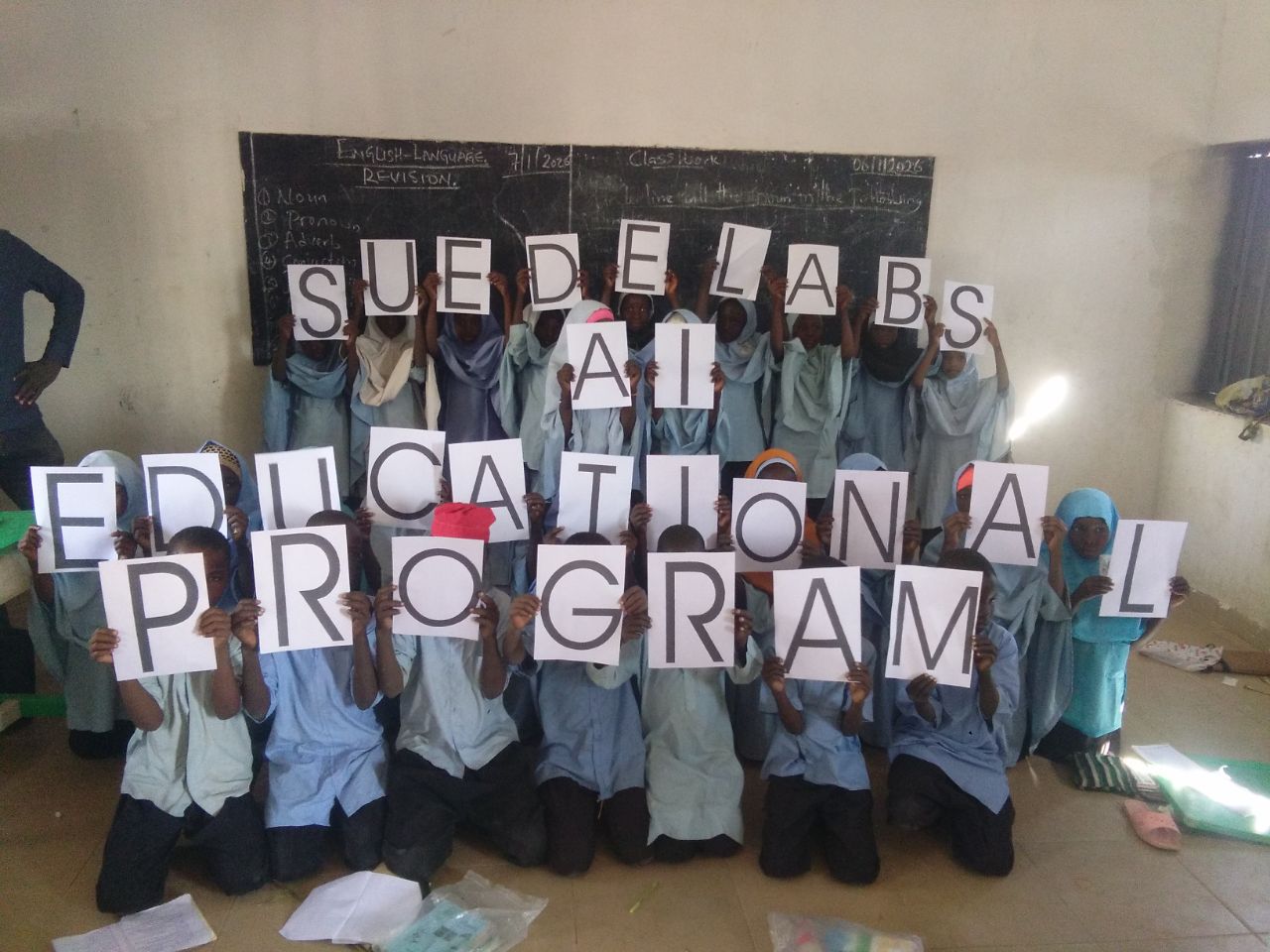
The Web3 music and creative platform has deployed its AI-powered creator tools in its first Nigerian school of 2026, marking the latest expansion of an educational initiative that’s been quietly transforming how African students interact with technology, intellectual property, and the creator economy.
Unlike the typical edtech playbook—pilot programs, government partnerships, lengthy feasibility studies—Suede Labs is self-funding its entire African schools program. No grants. No corporate sponsors. Just a conviction that access to creative ownership shouldn’t be a privilege reserved for students in Silicon Valley or London.
More Than Music: Teaching Ownership in the AI Age
Suede Labs isn’t dropping laptops into classrooms and calling it innovation. The company’s platform teaches students to create music, visual art, and other creative content using generative AI—but with a crucial difference: every creation is registered as intellectual property, secured through blockchain technology.
For students in Nigeria, where the creative industry contributes billions to GDP but where artists often lack control over their own work, this represents a fundamental shift. They’re not just learning to use AI. They’re learning to own what they create in an AI-driven world.
The Nigerian deployment, Suede’s first African school engagement of 2026, builds on a program that’s been running across multiple nations since 2025. According to the company, hundreds of students have gained hands-on access to professional-grade creation tools that were previously inaccessible.
Student Engagement: Beyond the Hype
The deployment was presented by Baffah Muhammad, a Suede Labs ambassador, to enthusiastic reception from students. Early indicators from the school suggest the program is still resonating in 2026, with students engaging enthusiastically with the platform and responding positively to both the creative tools and the concept of intellectual property ownership—a topic that’s rarely addressed.
This matters. Nigeria has one of the world’s youngest populations, with a median age under 19. By 2050, Africa will be home to one in every three of the world’s young people. If these students grow up understanding AI as a tool they control rather than a black box that controls them, the implications for the continent’s creative economy could be profound.
What Makes This Different
Three elements separate Suede’s program from typical AI-in-education initiatives:
- IP-First Education: Students aren’t just consuming AI-generated content or using AI as a homework helper. They’re learning to create, register, and theoretically monetize their work from day one.
- Self-Controlled: By funding the program internally rather than through grants, Suede maintains control over curriculum, deployment speed, and long-term sustainability.
- Creator Economy Focus: The program doesn’t prepare students for traditional employment—it prepares them to participate in the global creator economy, where geographic location matters less than quality and ownership.
The Broader Context
Suede’s educational program deployment comes at a pivotal moment for African education and technology. Nigeria’s government recently launched a National AI Strategy and has been rolling out digital literacy programs, while private sector initiatives from companies like Microsoft and AltSchool are training hundreds of thousands in AI skills.
But most of these programs focus on technical skills or general AI literacy. Few address the fundamental question: in an age where AI can generate endless content, how do individual creators protect and monetize their work?
Scaling the Vision
The Nigerian school is one node in a larger network. Suede has established partnerships with educational institutions across multiple African countries, with pilot programs now extending into Asian markets. The company’s white paper outlines an ambitious vision: making creative ownership accessible globally, starting with the regions most often left behind by technological advancement.
Whether this model can scale remains to be seen. Infrastructure challenges, inconsistent internet, limited device access, electricity constraints—all plague African education. But Suede’s focus on mobile-ready, blockchain-based tools may sidestep some traditional barriers.
What Success Looks Like
Five years from now, success won’t be measured in students trained. It will be measured in whether these Nigerian students—and their counterparts across Africa—are creating, owning, and earning from their work in the global creative economy.
If a teenager in Lagos can generate a song using AI, register it as intellectual property, and earn royalties when it’s streamed globally—all from their phone—that’s not just educational technology. That’s economic infrastructure.
And unlike the typical edtech narrative where Western companies export solutions to African “problems,” Suede is investing in African students as future creators, not just consumers.
The Quiet Revolution
There will be no flashy launch event for any future deployments. Just students learning to navigate a technology that will define their generation—with ownership and agency built in from the start.
In an industry obsessed with scale and exit strategies, Suede Labs is taking a different bet: that investing in creative infrastructure for underserved students today will matter more than any short-term metric.
As Suede continues deploying across Africa and expanding into Asia, the question isn’t whether AI will transform education—it’s whether that transformation will create new gatekeepers or genuinely democratize creative ownership.
About Suede Labs
Suede Labs (Suede AI) is a Web3 platform that combines AI-powered creative tools with blockchain-based intellectual property registration. The platform enables creators to generate music, art, and other content while maintaining verifiable ownership through voiceprint authentication and smart contracts. Beyond its commercial platform, Suede operates educational deployments across Africa and Asia, providing students with education related to professional-grade creator tools and IP.