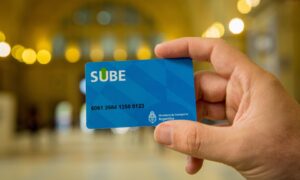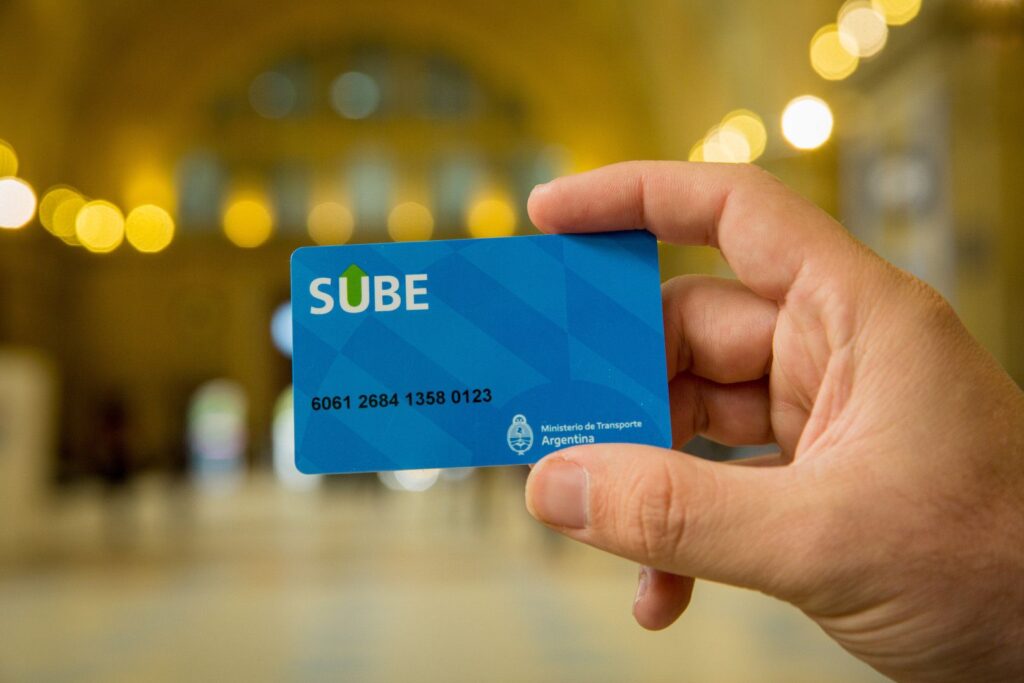
The SUBE card is the rechargeable contactless card that pays for buses, subways and suburban trains in Buenos Aires and in many other Argentine cities. You buy a card, load money onto it, tap it on the reader when you board, and the system deducts the fare. You can check your balance through the SUBE app, a terminal or the official phone line.
This guide walks you through each step, from your first purchase to your last ride.
What Is the SUBE Card and Why Do You Need It?
SUBE stands for Sistema Unico de Boleto Electronico. The national government runs it, and it works across buses (colectivos), the Subte, and Buenos Aires area trains. Many other cities across Argentina also accept it.
Here is why you want one:
- Cash is not accepted on most city buses. Drivers cannot take coins or notes, so you need a card to board.
- It covers several transport modes. One card works on the bus, the subway and the train.
- It can save you money. Transfers between modes can earn a discount when you travel within a set time window.
- It is cheap to carry. A single card replaces a pocket full of change.
Note: Fares, card prices and discount rules change often in Argentina. Always confirm current figures on the official SUBE page at argentina.gob.ar/sube before you travel.
Where to Get a SUBE Card as a Visitor
You can buy a physical card from several places. Look for the SUBE logo on shop windows.
- Kiosks and newsstands. Many city kiosks sell and load cards.
- Post office branches. Correo Argentino offices often stock cards.
- Official SUBE points. These include airport counters and service centers. The official site lists them on its location map.
- Some subway stations. Staff at certain stations can sell and load cards.
Registered vs. Unregistered Cards
A new card is unregistered by default. You can register a card on the official SUBE site, but the process usually asks for an Argentine ID number. As a visitor, you may not be able to complete it. Verify the current rules for foreign passport holders on the official channel.
Registration matters because registered cards can be protected if you lose them. Some fare benefits also depend on it. Unregistered cards often pay a higher fare, so check the current rates.
Tip: Buy from a legitimate shop. Never buy a used card from a street seller.
How to Load Money on Your SUBE Card
You have several ways to add credit. Pick the one that fits your trip.
Load at a Kiosk or SUBE Point
This is the easiest option for most visitors. For a step-by-step view of every loading method, the Spanish-language cargar sube page is a handy reference.
- Walk into a shop showing the SUBE logo.
- Hand over your card and tell the staff how much to load.
- Pay in cash.
- Wait for the staff to confirm the load and hand back your card.
Load Through the SUBE App
The official app uses NFC. You need a phone with NFC and a recent version of Android. Check the app store for the latest requirements.
- Install the official SUBE app from the Google Play Store.
- Turn on NFC in your phone settings.
- Add money through the payment method the app offers.
- Choose the option to credit your loads.
- Hold your card against the back of the phone until the app confirms.
Understand How Online Top-Ups Work
Online loads come with one catch. The card chip does not update itself. After you pay online, the credit waits in the system. You must tap the card on a terminal, a bus reader or your phone to activate it.
Warning: Do not pay online five minutes before you board and assume the money is on the card. Activate the load first.
How to Check Your SUBE Balance
You have several choices. Use whichever is closest.
| Method | What you need | Notes
|
|---|---|---|
| SUBE app | NFC phone | Tap the card to the phone and read the balance |
| Terminal | The card | Tap and read the screen |
| Phone line | The card number | Use the official number from argentina.gob.ar/sube |
| Bus or Subte reader | The card | The screen often shows your balance after you tap |
| Online portal | Registered card | Needs an account |
Most visitors do well with a terminal or the app. If you want a quick walkthrough of each approach, the guide at sube saldo explains the common ways to check a card balance in plain steps.
Keep one habit: check your balance before long trips. A near-empty card at a remote bus stop causes real trouble.
Rules to Know Before You Ride
Tap Every Time You Board
On buses, tap when you get on. On the Subte, tap at the turnstile. On trains, tap at the station gate. In some cases you also tap when you leave, so watch local signs.
Negative Balance
The system may let you travel once with a slightly negative balance. The next load pays off the debt first. This rule can change, so do not rely on it.
SUBE Card FAQ
Can tourists use the SUBE card?
Yes. Anyone can buy a card and use it. Registration may need an Argentine ID, so visitors often use an unregistered card.
How much does a SUBE card cost?
The price changes. Check the official SUBE site or ask the seller before you pay.
Can I pay for the bus with cash?
On most city buses, no. Carry a loaded SUBE card instead.
What do I do if I lose my card?
Contact the official SUBE channels at once. A registered card can be blocked, while an unregistered card usually cannot.
Final Thoughts
Buy the card on your first day, load it with a modest amount, and activate every top-up with a tap. That one routine keeps you moving across Buenos Aires without stress. Verify fares and rules on the official SUBE channel before each trip, because they shift more often than most visitors expect.