Stem cell marrow failure is a serious medical condition that affects the body’s ability to produce healthy blood cells. Because bone marrow plays a vital role in sustaining life, any disruption to its function can have wide-ranging effects on overall health. Understanding what stem cell marrow failure is, how it develops, and why early diagnosis matters can help patients and caregivers make informed decisions about care and treatment.
Healthcare institutions such as Liv Hospital emphasize early evaluation and specialized management for bone marrow–related disorders, as timely intervention can significantly improve outcomes.
What Is Bone Marrow and Why Is It Important?
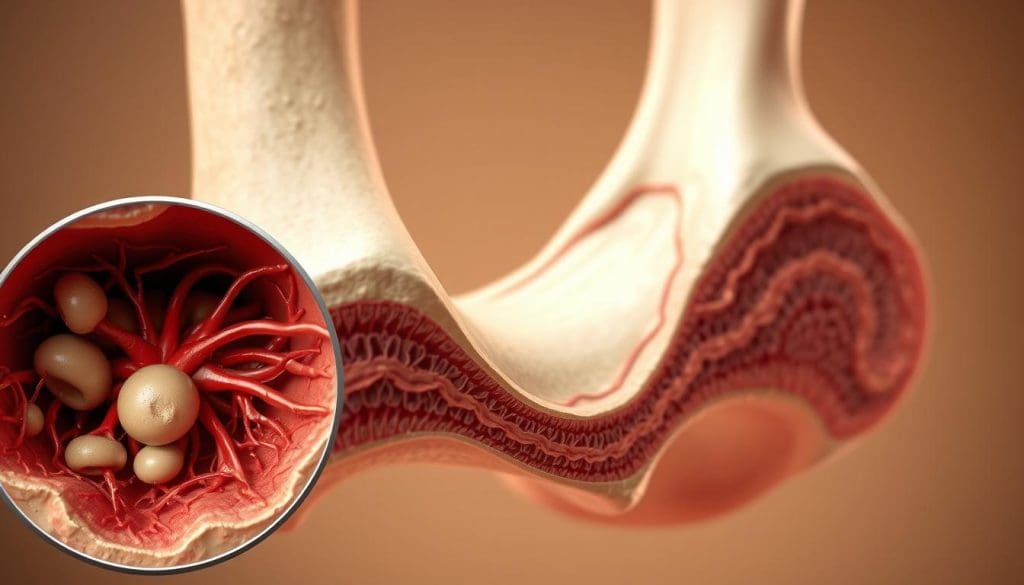
Bone marrow is a soft, spongy tissue found inside bones such as the hips, ribs, and spine. It contains hematopoietic stem cells, which are responsible for producing:
- Red blood cells (carry oxygen)
- White blood cells (fight infections)
- Platelets (help with blood clotting)
These stem cells continuously divide and mature to replace aging or damaged blood cells. When this process is disrupted, the body may not be able to maintain normal blood cell levels, leading to a condition known as marrow failure.
Definition of Stem Cell Marrow Failure
Stem cell marrow failure refers to a group of disorders in which the bone marrow cannot produce enough functional blood cells due to damage or dysfunction of hematopoietic stem cells. This failure may be partial or complete and can affect one or more blood cell lines.
A detailed medical explanation of this condition can be found in the dedicated resource on Stem Cell Marrow Failure Overview and Definition, which outlines the clinical and biological aspects of the disease.
Types of Marrow Failure Disorders
Marrow failure is not a single disease but a spectrum of conditions, including:
Aplastic Anemia
A rare but serious disorder where the bone marrow stops producing enough new blood cells. It can be inherited or acquired due to immune reactions, toxins, or infections.
Myelodysplastic Syndromes (MDS)
A group of disorders caused by poorly formed or dysfunctional blood cells. MDS can sometimes progress to leukemia.
Inherited Bone Marrow Failure Syndromes
These are genetic conditions such as Fanconi anemia or Diamond-Blackfan anemia, often diagnosed in childhood.
Secondary Marrow Failure
Occurs due to external factors like chemotherapy, radiation, severe infections, or autoimmune diseases.
Common Causes of Stem Cell Marrow Failure
Stem cell damage can occur due to various internal and external factors, such as:
- Autoimmune reactions where the immune system attacks stem cells
- Exposure to toxic chemicals or certain medications
- Viral infections affecting bone marrow
- Genetic mutations passed through families
- Cancer treatments like chemotherapy or radiation
In many cases, the exact cause remains unknown, which is referred to as idiopathic marrow failure.
Symptoms and Warning Signs
Symptoms often develop gradually and depend on which blood cell types are affected. Common signs include:
- Persistent fatigue and weakness
- Frequent infections or slow recovery from illness
- Easy bruising or excessive bleeding
- Shortness of breath
- Pale skin or dizziness
Because these symptoms can overlap with other conditions, specialized diagnostic testing is essential.
Diagnosis and Evaluation
Diagnosing stem cell marrow failure usually involves:
- Complete blood count (CBC) to measure blood cell levels
- Bone marrow biopsy to assess stem cell function
- Genetic and molecular testing
- Immunological and viral screening
Specialized medical centers with expertise in hematology play a key role in accurate diagnosis and personalized treatment planning.
Treatment Approaches
Treatment depends on the underlying cause, severity, and patient factors such as age and overall health. Options may include:
- Immunosuppressive therapy
- Blood transfusions for symptom management
- Growth factors to stimulate blood cell production
- Stem cell or bone marrow transplantation in severe cases
Early intervention often leads to better long-term outcomes and improved quality of life.
Living With Marrow Failure
Managing stem cell marrow failure extends beyond medical treatment. Patients may need long-term monitoring, infection prevention strategies, nutritional support, and emotional care. Lifestyle adjustments and mental well-being play an important role in coping with chronic conditions.
For those interested in improving overall wellness and maintaining balance during health challenges, resources that encourage mindful living—such as live and feel—can offer helpful insights and inspiration for a healthier, more intentional lifestyle.
Read More From Techbullion