A contact-charging trolley accommodates up to 36 compatible lamps and helps teams organize collection and preparation between services.
LOS ANGELES, Calif. — Starvox Lighting offers centralized charging for restaurants and hospitality venues managing multiple cordless table lamps. Its contact-charging trolley accommodates up to 36 compatible lamps, depending on the configuration, allowing staff to dock a batch without connecting a separate charging cable to every lamp.
For a venue with dozens of tables, the practical question extends beyond how long one lamp stays illuminated. Staff also need to collect the lamps, prepare them for charging, and return them to the dining area before the next service. Starvox’s commercial lighting approach connects rechargeable table lamps with that daily operating workflow.
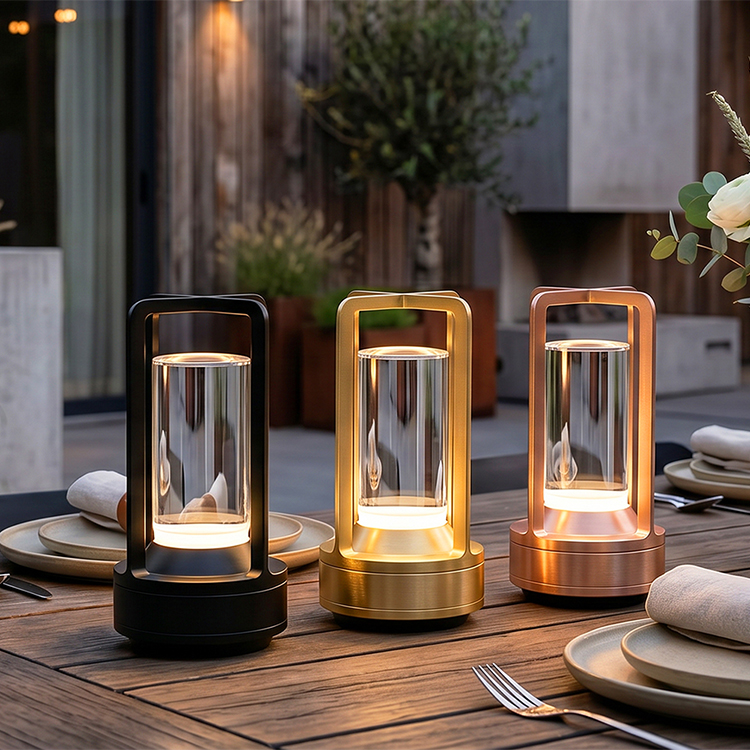
Illustrative dining scene with cordless table lamps. Image supplied by Starvox Lighting.
Organizing Charging for Multiple Lamps
Individual charging cables can add handling steps when many lamps need to be prepared together. A compatible contact-charging system gives each lamp a docking position and allows several units to be connected through one organized setup.
The Starvox trolley supports up to 36 compatible lamps at the same time, depending on the selected configuration. Buyers should confirm the exact lamp and charging-system combination before ordering. Charging capacity is a specification of that combination, rather than a universal promise that every cordless lamp will fit the same trolley.
Separating Docking Time from Charging Time
Placing lamps into a charging system is only the preparation step. The battery charging cycle takes several hours, depending on the equipment configuration, and should be scheduled around the venue’s service periods.
The charging system also needs a suitable power source. Cordless operation at the table does not mean that the lamps or trolley can recharge without electricity. Restaurants should confirm the charging location, electrical requirements, and available time between closing and the next setup.
Overnight charging may fit a recurring restaurant schedule when the specified charging cycle and operating conditions allow it. Venues with consecutive events or overlapping services should plan compatible charging capacity and any spare lamps around those shorter preparation windows.
Matching Lamp Quantities to the Table Plan
Lamp quantities should be based on tables and placement rather than seat count alone. A 50- or 100-seat activation can require different numbers of lamps depending on table sizes and the desired arrangement. Procurement teams should also decide whether they need spare units during service.
That count can then be compared with the number of compatible charging positions and the available charging window. If the lamp quantity exceeds the system’s capacity, operators need an appropriate additional charging arrangement or a rotation plan that allows each batch enough time to charge.
Working through a Capacity Example
Consider a hypothetical restaurant that assigns 48 lamps to dining tables and keeps six additional lamps as a reserve. Its inventory is 54 lamps. If all 54 need charging within the same preparation window, a system with 36 compatible positions leaves 18 lamps outside the first batch. That gap must be addressed in the operating plan.
A second batch is possible only when the available window allows the required charging time for both batches and the handling between them. Where it does not, the venue needs additional compatible charging capacity or a revised allocation of lamps that are already prepared for service. Nominal capacity alone cannot establish whether one trolley is sufficient.
This example is a scheduling calculation, not a reported Starvox installation or a runtime claim. The actual decision depends on the selected equipment, the state of the lamps when collected, and the manufacturer’s instructions. Procurement should document those assumptions so a change in service hours does not quietly invalidate the charging plan.
Building a Repeatable Collection and Setup Routine
After service, staff can collect lamps and check their condition before returning them to compatible charging positions in accordance with the product instructions. Keeping the collection point and charging location clear helps organize the equipment for the next shift.
Before reopening, lamps can be distributed according to the current table plan. Because individual table connections are unnecessary during use, the same equipment can support a revised dining layout, a private event, or an approved outdoor setup.
Centralized charging addresses cable handling and organization; the actual time required depends on the venue layout, lamp quantity, and staff procedures. Any claimed labor savings should be measured against that restaurant’s existing workflow.
Measuring Handling Time without Confusing It with Charging
To assess a charging workflow, observe the complete routine under comparable conditions. Record staff time spent collecting lamps, moving them to the preparation area, docking or connecting them, checking readiness, and returning them to tables. Include all employees involved. If two people work for ten minutes, the task uses twenty staff minutes, even though only ten minutes have elapsed.
Record unattended charging separately. It matters to the timetable, but it is not equivalent to an employee continuously working on the task. Keeping these measurements distinct makes it possible to compare an existing cable-based process with a proposed contact-charging arrangement fairly.
Repeat the observation across representative services, including a busier layout if that changes the collection route. Note interruptions and missing equipment rather than treating every delay as a charger problem. The result should show which steps change with the new arrangement and which remain part of normal restaurant preparation.
Checking the Lamps as Well as the Charger
Battery performance depends on the lamp model, battery configuration, brightness level, and operating conditions. Selected Starvox configurations use 5000mAh rechargeable lithium battery packs. Buyers should verify runtime at their intended brightness and service duration before deciding on charging frequency.
For outdoor operations, selected Starvox commercial models carry an IP65 rating. The exact model’s outdoor-use instructions must be checked separately from those of the charging equipment. The lamp’s rating should not be assumed to apply to the trolley.
Specifying the Complete Charging Configuration
A purchase order for a lamp charging system should identify the lamp models, charging hardware, compatible positions, and required power accessories. Ask the supplier to confirm the complete configuration in writing. A trolley photograph or a headline capacity does not describe every compatibility detail needed for a working installation.
The physical location deserves the same attention. Review where staff will collect lamps, where the charging equipment will sit, and how it can be accessed during the preparation period. Confirm that the intended location and use follow the equipment instructions. A convenient route for moving lamps is useful only when the charging setup itself is appropriate for that space.
On receipt, reconcile the delivered equipment with the order and test the intended lamp-and-charger combinations according to the instructions. Record exceptions before putting the full system into service. Keep the model references and support contact available so a later replacement request identifies the correct component instead of relying on a visual description.
Commercial Supply and Project Planning
Starvox supports hospitality projects with commercial cordless lamp designs, centralized charging solutions, and domestic technical support. Commercial orders start from 36 units. Selected configurations are held in U.S.-based inventory, with approximately seven-day nationwide delivery for qualifying in-stock orders, subject to confirmation of model, quantity, and destination.
Buyers can request project quotations, applicable compliance documentation for the selected equipment, and the terms of the 12-month commercial warranty. A project inquiry should identify lamp quantities, service hours, intended environments, and the proposed charging location.
Frequently Asked Questions
Does docking a lamp mean its battery is fully charged?
No. Docking establishes the charging connection. The charging cycle takes several hours depending on the equipment configuration. Operators should follow the specified charging instructions and allow enough time before returning lamps to service.
Can one trolley charge every lamp in a restaurant?
That depends on lamp compatibility, quantity, and available charging time. Starvox’s contact-charging trolley supports up to 36 compatible lamps, depending on the configuration. Larger quantities require an appropriate charging arrangement or a rotation plan.
What information is needed to size a restaurant charging system?
Provide the number of lamps, exact models, service schedule, available charging window, and whether all lamps must be ready simultaneously. Include any reserve units that also require charging. These details allow charging capacity to be evaluated against actual use rather than table count alone.
Does centralized charging automatically produce a fixed labor saving?
No fixed saving can be assumed for every venue. Collection distances, existing cables, lamp quantities, and staff procedures affect handling time. Compare the complete routine under similar service conditions and report the measured difference, keeping unattended battery charging separate from staff workload.
About Starvox Lighting
Starvox Lighting is a U.S.-based commercial lighting brand specializing in cordless lighting solutions for restaurants, hotels, private clubs, outdoor hospitality environments, and events. The brand combines European-inspired design with commercial materials, centralized charging systems, and hospitality-focused project support. Selected configurations are supported by U.S.-based inventory and a 12-month commercial warranty, subject to the applicable product and service terms.
Media and Key Accounts Contact
John Lewis | Starvox Lighting
Email: [email protected]
Website: https://starvoxlighting.com
Project inquiries: https://starvoxlighting.com/contact