
Sober Living and Recovery Residences: How They Fit Into Treatment

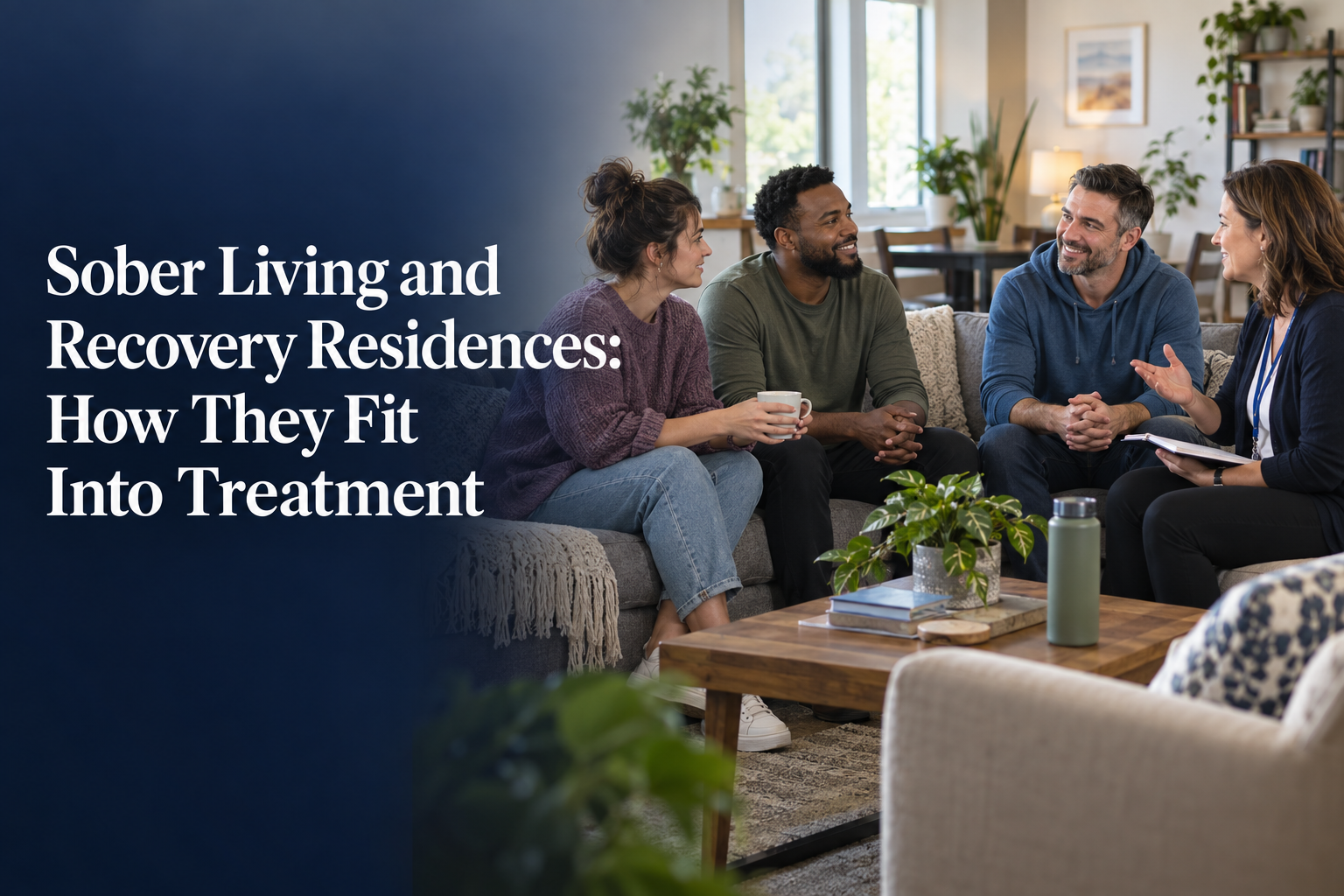
Sober living is one of the more useful and least understood parts of the recovery system. People frequently confuse it with treatment, assume all such homes are broadly similar, and discover only after moving in that the range of quality is extremely wide.
Here is what these places actually are.
Housing, not treatment
A recovery residence provides a substance free living environment with structure and peer accountability. It is not a clinical program. There is generally no therapy included, no medical staff, and no treatment plan.
That distinction matters practically. Residential treatment is a clinical service delivered by licensed staff. A recovery residence is somewhere to live while you receive treatment elsewhere or continue in recovery afterward.
Most people in a recovery residence are also attending outpatient treatment, working, or both. Programs such as Galt Ocean Rehab Center often coordinate the two, since the housing and the clinical care serve different functions.
The levels
The recognized framework describes four levels of increasing structure and support.
Level one is peer run. Residents share responsibility, there is no paid staff, house rules are enforced by the residents themselves, and structure is minimal. Democratic and inexpensive.
Level two is monitored. A house manager lives on site, rules are more defined, drug testing is typical, and there is some required participation in meetings or programming.
Level three is supervised. Paid staff, a structured schedule, life skills programming, and more formal oversight.
Level four is service provider level, with clinical supervision and treatment services integrated into the residence. This is closest to what people picture as residential treatment.
Matching the level to where you are matters. Someone stepping directly out of detox generally needs more structure than a peer run house provides. Someone eighteen months into recovery who wants accountability and affordable housing may be well served by the least structured option.
Certification, and why it matters
Recovery residences are not licensed the way treatment facilities are in most places. What exists instead is voluntary certification through state affiliate organizations operating under national standards.
Certification covers things like resident rights, clear policies, financial transparency, staff training, and prohibitions on kickbacks for referrals.
It is voluntary, which means uncertified houses can operate legally. It is also the single most useful filter available to someone choosing a residence. In Florida, certification is administered through the state affiliate organization and licensed treatment providers face restrictions on referring to uncertified residences.
Anyone weighing options alongside outpatient care at Galt Rehab or a similar provider should ask specifically whether a recommended residence is certified.
The medication question
This deserves its own section because it is both common and genuinely dangerous.
Some recovery residences exclude people taking buprenorphine or methadone for opioid use disorder, on the grounds that these do not constitute real sobriety.
That position runs directly against the evidence. Medication for opioid use disorder substantially reduces mortality, and discontinuing it raises overdose risk sharply because tolerance falls. A house that requires someone to stop is asking them to accept a significantly higher risk of dying.
There are also legal considerations, since housing discrimination on the basis of a disability, which includes substance use disorder treated with medication, raises fair housing issues.
Ask directly and early: do you accept residents on buprenorphine or methadone, and are there conditions attached. A hesitant answer is an answer.
What to check before moving in
Certification status, verified independently rather than taken on assertion.
The actual rules. Curfew, guests, employment requirements, meeting attendance, drug testing frequency, and what happens after a positive test.
What happens if you relapse. Immediate removal with nowhere to go is common and it is worth knowing in advance. Better houses have a defined process that includes help finding an appropriate next step.
Cost and what it covers. Weekly or monthly rent, deposits, what is included, and refund policy. Insurance generally does not cover recovery residence rent, since it is housing rather than treatment.
Occupancy. How many people per room and per house. Overcrowding is a common problem.
Who runs it and what their background is.
Whether you must attend a specific outpatient program. A requirement to attend a particular provider as a condition of housing is a significant warning sign, since it suggests a financial relationship between the two.
Visit if you can. For out of area placements, ask for a video walkthrough.
Warning signs
- No certification and no clear explanation why
- Pressure to sign immediately
- Any arrangement where someone is paid for referring you
- A requirement to attend one specific treatment provider
- Unclear or cash only financial arrangements
- Refusal to let you see the house
- Exclusion of people on medication for opioid use disorder
- Severe overcrowding
- No stated policy for what happens after a relapse
This part of the system has attracted operators whose interest is the revenue rather than the residents, and the certification framework exists largely in response to that.
How it fits into a plan
The most common effective use is as part of the step down. Residential treatment, then partial hospitalization or intensive outpatient while living in a recovery residence, then increasing independence.
The residence provides what the clinical program stops providing: structure, accountability, and people around you who understand the situation. It fills the gap where progress is most often lost.
For people whose home environment is unstable or actively unsafe for recovery, it may be the difference between treatment holding and not.
Galt Ocean Rehab Center coordinates with recovery residences as part of continuing care planning, including for clients who are not returning to a stable home environment.
Living somewhere that supports recovery is not a minor logistical detail. For a lot of people it is the variable that determines whether everything else works.
If you or someone you know is in crisis, call or text 988 to reach the Suicide and Crisis Lifeline. For treatment referrals, the SAMHSA National Helpline is available 24/7 at 1-800-662-HELP (4357).







Comment