Choosing a new smartphone often starts with the camera and design, but the processor quietly decides how fast and smooth everything feels. The chip affects app launch times, photo processing, gaming, battery life, and how long the phone stays responsive after years of updates. Modern processors combine CPU, GPU, AI engines, image processors, and modems in a single package. Differences between brands and generations can be huge, even when phones look similar. Understanding the basics of processor speed and efficiency helps you avoid confusing marketing terms and pick a device that really matches how you work, play, and commute.
How Smartphone Processors Differ in Speed and Performance?
CPU Architecture and Clock Speeds Explained
The CPU handles most core tasks, from opening apps to browsing the web. Modern smartphone processors use ARM-based architectures with a mix of performance and efficiency cores. Performance cores run demanding tasks; efficiency cores handle light workloads to save power. Clock speed, measured in GHz, shows how many cycles a core can execute per second, but higher numbers alone do not guarantee faster performance. Core count, cache size, and architecture generation matter just as much. A newer mid-range chip can sometimes beat an older flagship in real tasks because it uses smarter scheduling, faster memory, and better core designs.
Graphics Processing Performance for Gaming and Multimedia
The GPU inside a smartphone processor drives gaming, high refresh-rate displays, and heavy visual apps. Powerful GPUs render smoother frame rates, sharper graphics, and more stable performance in long gaming sessions. Different vendors integrate GPUs like Adreno, Mali, or custom designs tuned for their chips. Benchmarks such as 3DMark and real-game tests reveal big differences between processors at the same price level. Higher GPU power also helps decode high-resolution video, power AR features, and support advanced camera modes. For mobile gamers, a strong GPU matters more than raw CPU scores, especially at 90Hz or 120Hz screen refresh rates.
AI Processing Power and Intelligent Device Features
AI engines, often called NPUs or TPUs, now sit beside the CPU and GPU in modern smartphone processors. These units accelerate tasks like image enhancement, portrait blur, voice recognition, translation, and on-device summarization. More AI performance lets phones apply real-time filters, stabilize video, and recognize scenes without draining the battery quickly. Chipmakers tune their AI hardware for tasks such as camera computation and predictive text. Phones with stronger AI processors receive more advanced software features over time and can run new on-device models that protect privacy. When comparing specs, AI TOPS scores and supported frameworks give helpful guidance.
Real-World Performance for Multitasking and Daily Use
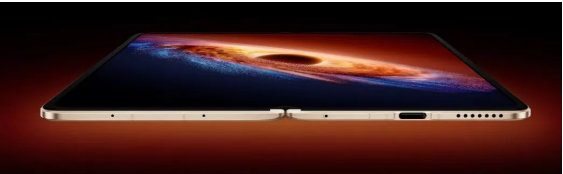
Benchmark charts look impressive, but real-world performance depends on how the processor, RAM, and software work together. Smooth multitasking on devices like HONOR Magic V6 depends on a chip that can quickly switch between cores and handle many background processes. Fast storage and optimized system software also affect app launch times and scrolling. A phone with a well-tuned, slightly slower processor can feel faster than a poorly optimized device using a high-end chip. Look for reviews that test multitasking with messaging, social media, navigation, and camera use instead of synthetic numbers alone. Real usage patterns reveal whether a processor can handle everyday pressure without lag.
Comparing Processor Efficiency and Long-Term Value
Manufacturing Processes and Power Consumption Differences
Modern smartphone processors use advanced manufacturing processes such as 4nm, 5nm, or 6nm. These numbers describe how small the transistors are, which affects power use and heat. Smaller processes generally allow more transistors in the same space, higher performance, and lower energy consumption. However, design quality still matters; not every 4nm chip beats every 5nm chip. A more efficient process means the processor can run demanding tasks at a lower voltage, extending battery life and improving sustained performance. When comparing models, a newer manufacturing process usually signals a better balance of speed, thermals, and power draw at similar performance levels.
Thermal Management and Sustained Performance Stability
High-performance processors create heat, and smartphones have limited room for cooling. Thermal management relies on vapor chambers, graphite sheets, and clever internal layouts. When a chip overheats, it throttles performance to protect itself, which can cause frame drops and slowdowns during long gaming or video recording sessions. Efficient processors generate less heat at the same workload, so they throttle less often and maintain higher speeds. Good designs spread heat across the chassis, so the phone stays cooler to the touch. Reviewers’ sustained performance tests, not just peak scores, show how well a processor and phone handle extended heavy use.
Battery Life Benefits of More Efficient Chip Designs
Processor efficiency strongly shapes daily battery life, especially for people who stream, game, or take many photos. Efficient processors complete tasks faster and return to low-power states sooner. They also use smarter power management, such as selectively waking individual cores and adjusting clock speeds per task. Combined with adaptive software, efficient chips reduce drain during standby, background sync, and light browsing. This means fewer charges, slower battery wear, and better performance after years of use. When comparing phones with similar battery capacities, models using newer, more efficient processors often deliver noticeably longer screen-on time and more consistent endurance.
Conclusion
Smartphone processor comparisons should focus on real benefits, not just flashy names or core counts. CPU architecture influences responsiveness, the GPU drives gaming and multimedia, and AI engines unlock smarter camera and voice features. Manufacturing process and thermal design control how long a phone can sustain its peak performance without draining the battery or overheating. For most buyers, a recent upper mid-range chip offers excellent balance between speed, efficiency, and value. Before choosing, compare independent tests for multitasking, gaming, and battery life. Matching processor capabilities with your actual usage gives the most satisfying and future-proof smartphone experience.
Read More Ftom Techbullion