The marketing is compelling. A smart toilet that alerts you to leaks before they become disasters. Sensors that detect water damage in your walls before you notice damp patches. Smart home technology that supposedly transforms your bathroom into something from a sci-fi film.
But here’s what we actually need to talk about: Do these systems work? Are they worth what you’ll pay? And more importantly, will they actually solve the problems homeowners in Norwich actually face?
We’ve installed plenty of high-tech systems over the years. We’ve also fixed the damage caused by people who thought technology could replace common sense. There’s a middle ground here, and it’s worth understanding before you spend £3,000 on a toilet that tweets you about water pressure.
What Are We Actually Talking About?
Let’s be clear about what exists in the market right now, because “smart toilet” and “leak alert” mean different things.
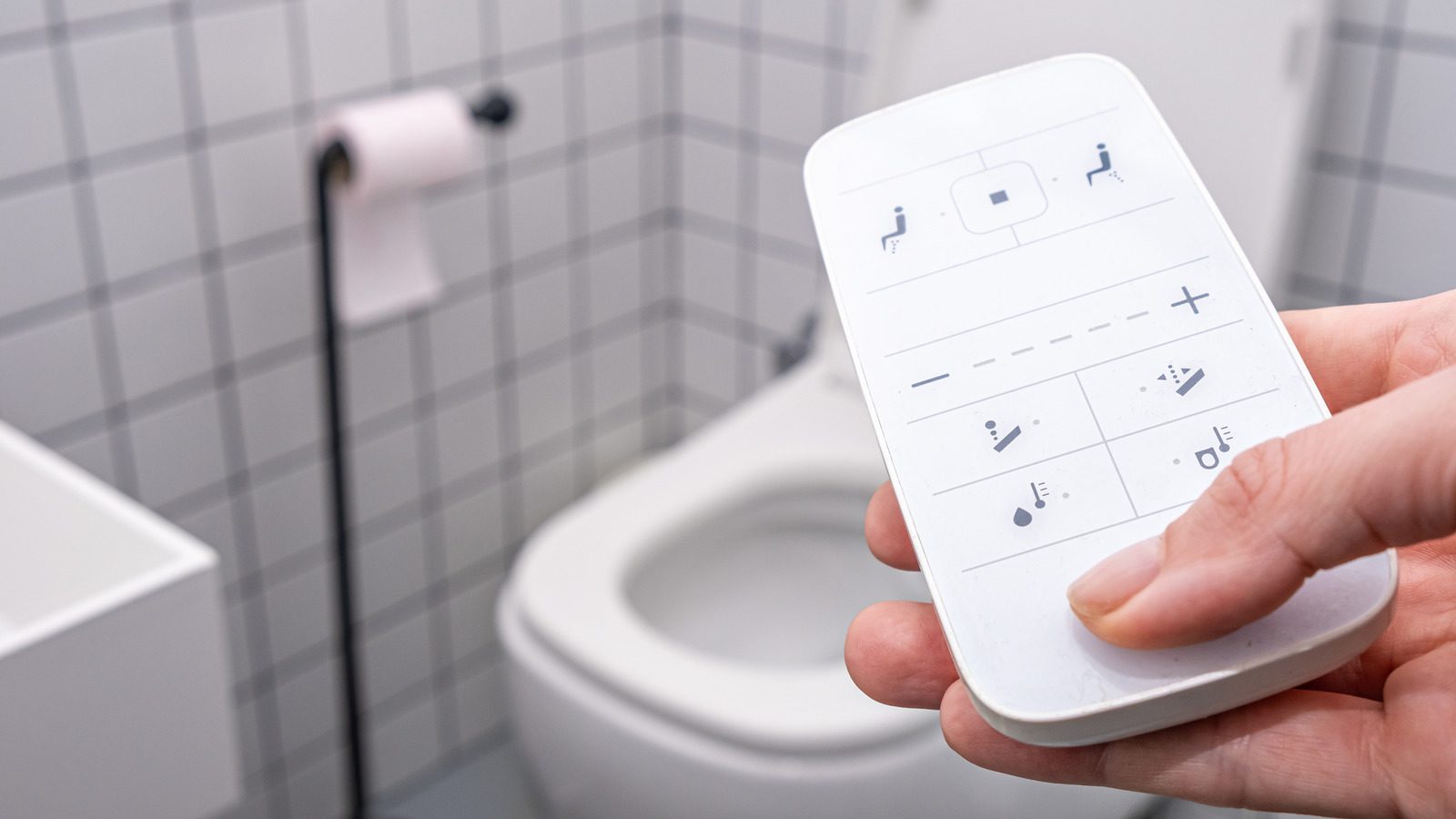
A smart toilet is a toilet with electronic features. These might include heated seats, self-cleaning nozzles, automatic flushing, adjustable water pressure, or integrated bidets. Some are genuinely useful. Some are gimmicks.
Leak alert systems are separate. These are sensors you place under sinks, near pipes, behind appliances, or in vulnerable areas. When they detect moisture, they alert you via an app or siren. Some trigger automatic shut-off valves that cut your water supply before damage gets serious.
Then there’s a middle ground: toilets with built-in sensors that monitor water usage or detect continuous running (which suggests a leak).
These aren’t the same product. They solve different problems. That matters when you’re deciding whether to invest.
The Real Cost of Doing Nothing
Before we talk about whether smart systems are worth it, let’s talk about what happens when leaks go undetected.
A slow leak behind a toilet can cost you. Not immediately—maybe you don’t notice it for weeks. But when you do, the damage is often worse than the original leak. We’ve attended properties in Eaton where a small leak behind a toilet went unnoticed for three months. The repair cost was £350. The damage to floorboards, joists, and plasterwork cost £2,800 to fix properly.
That’s not an unusual scenario. That’s fairly standard.
In Bowthorpe, we dealt with a property where water from an upstairs bathroom leaked into the insulation below. The homeowner didn’t notice until mould appeared in the room beneath. Fixing that meant removing insulation, treating timber, replacing plasterboard, and redecorating. Total cost: £3,200 for what started as a £15 washer failure in a tap connection.
A leak alert system costs between £100 and £400 depending on sophistication. That money would be recouped the moment it prevented one serious leak.
But here’s the problem: these situations are preventable without technology.
Regular checks catch problems early. You don’t need an app for that. You need 30 seconds every week to look under your sink and behind your toilet.
Smart Toilets: The Practical Reality
Let’s talk about what a smart toilet actually does and whether it justifies the cost.
A standard toilet costs £150 to £400. A smart toilet costs £800 to £3,500 depending on features. You’re paying for electronic components, sensors, and often a control panel.
The most common “smart” feature is leak detection—the toilet monitors water usage and flags if it’s running continuously. A running toilet is usually a simple fix (a £20 flapper valve), but if it goes unnoticed, it wastes water and money. Your water bill might go up £5 to £10 per month. Over a year, that’s £60 to £120 in wasted water.
A smart toilet might catch this and alert you. That’s useful. But here’s the reality: you’d notice a running toilet anyway. You’d hear it. It’s a distinctive sound. And once you notice it, the fix takes one phone call.
Other smart toilet features include heated seats, adjustable water pressure, and integrated bidets. These are comfort features, not practical ones. They’re nice to have if you want them. But they’re not solving a problem.
The features that might actually matter:
- Continuous running detection (saves water and money)
- Low water pressure alerts (helps you spot plumbing issues early)
- Automatic night lighting (convenient, genuinely useful)
- Self-cleaning nozzles (more hygienic, but requires maintenance)
The features that are mostly marketing:
- Heated seats (luxury, not necessity)
- Bidet functions (nice, but any bidet attachment works the same way)
- Bluetooth connectivity (why?)
- Automatic flushing (motion sensors on standard toilets do this for £50)
Leak Detection Systems: Where the Real Value Sits
This is where technology actually makes sense.
A leak detection system—proper one, not a toy—costs £200 to £600. You place sensors in vulnerable areas: under sinks, behind toilets, near boilers, under washing machines. If they detect moisture, they alert you immediately via your phone.
Some systems do more. They can trigger an automatic shut-off valve that cuts your water supply before serious damage occurs. These cost more (£500 to £1,500 installed), but they’re genuinely protective.
Here’s a realistic scenario: A washing machine inlet hose fails at 2 a.m. You’re asleep. Without a leak alert, water floods your kitchen for hours. By the time you wake up, you’ve got £5,000 worth of damage. With a leak alert and auto shut-off, the water stops within minutes. Damage is minimal.
That’s actually valuable.
For homes in Costessey with older plumbing, or properties where you’ve had previous leak issues, a system like this is worth considering. It’s not about luxury. It’s about protection.
What a decent leak detection system includes:
- Multiple wireless sensors (usually 2-6 included)
- Mobile app notifications
- Real-time alerts via push notification or siren
- Battery backup (so alerts work even if power fails)
- Optional automatic shut-off valve integration
- Warranty (usually 2-5 years)
Brands that have decent reputations include Notion, Leakbot, and Phyn. They’re not cheap, but they do what they claim.
The Honest Assessment: Who Should Actually Get These?
Let’s be straightforward. Not everyone needs this technology.
If you own a property in a low-risk situation—you’re present most of the time, your plumbing is modern and well-maintained, you haven’t had previous leak issues—a leak alert system is probably not essential. Regular checks and common sense will catch problems before they become expensive.
If you own a property and you’re away frequently (holiday lets in Norwich are popular), a leak alert system makes real sense. You’re not there to notice a problem. An automatic shut-off valve means water damage stops happening while you’re in Spain.
If you’re renting out a property, a leak alert system protects your investment while you’re not there. It’s not optional for a responsible landlord—it’s sensible risk management.
If your home is older with original plumbing, or you’ve had issues before, a system provides genuine peace of mind. The cost of one prevented leak often exceeds the system cost within a year.
Smart toilets, genuinely? They’re a luxury purchase. They’re nice if you want them. They’re not necessary for protection.
What We Actually Recommend
After years of fixing water damage, here’s what we suggest as expert plumbers in Norwich.
Start with the basics (costs £0):
- Check under your sinks weekly. Look for drips or wet wood
- Listen for running toilets. It’s a distinctive hiss
- Inspect visible pipe connections for corrosion or leaks
- Clean your gutters so water doesn’t pool near foundations
Add affordable tech (costs £200-400):
- Install a couple of basic moisture sensors under key appliances (washing machine, boiler)
- These alert you via app when moisture is detected
- Not as sophisticated as premium systems, but genuinely useful
Consider a proper system (costs £500-1,500) if:
- You’re frequently away from the property
- You’ve had previous leak issues
- You’re a landlord protecting an investment
- Your plumbing is over 30 years old
- You have underfloor heating (leaks are harder to detect)
Skip the smart toilet and instead:
- Invest in a reliable standard toilet from a brand like Ideal Standard or Kartell (£200-300)
- Keep spare parts on hand (flapper valves cost £15)
- Know how to turn off your stopcock
The Technology Trap
Here’s something they don’t advertise: smart systems need to be maintained.
Sensors need batteries replaced. Apps need updating. If your WiFi goes down, some systems can’t alert you. You’re trading one problem (detecting leaks manually) for different problems (keeping technology working).
A homeowner in Thorpe St Andrew installed a premium leak detection system. It worked brilliantly for eight months. Then he updated his phone’s operating system and the app stopped working. He didn’t realise for two weeks. When a slow leak started under his sink, the system didn’t alert him because it wasn’t actually connected to his network anymore.
He fixed the app issue eventually. But the lesson is this: technology helps, but it’s not foolproof. It’s a tool, not a solution.
The Investment That Actually Pays
If you want to prevent expensive water damage, here’s what genuinely works and is recommended by Plumbing Norwich (https://plumbing-norwich.co.uk):
Maintenance (cost: time, not money). Regular inspections catch problems early.
Knowledge (cost: nothing). Knowing where your stopcock is and how to turn it off is the single most valuable thing you can do. If a leak happens, you can minimize damage within seconds.
Decent plumbing (cost: £1,500-3,000 to update old systems). If your pipes are 50 years old, they will fail. Replacing them prevents emergencies.
Professional checks (cost: £150 per year). A plumber can spot problems you’ll miss.
These things combined cost less than a premium smart toilet system and actually address the root causes of water damage.
Smart leak alerts? They’re a useful addition to this foundation, not a replacement for it.
What We’d Actually Choose
If we were spending our own money on our own homes?
We’d get a basic two-sensor leak detection system (around £200-300) placed under the bathroom sink and washing machine. We’d check pipes monthly ourselves. We’d maintain our boiler annually. We’d know where our stopcock is and we’d test it yearly to make sure it actually works.
We wouldn’t buy a £2,000 smart toilet. We’d buy a decent £250 standard toilet and spend the £1,750 we saved on updating plumbing, improving insulation, or literally anything else more valuable.
Technology is useful when it solves a real problem. With plumbing, the real problems are usually simple ones that don’t need smart systems. They need attention and basic maintenance.
If you want peace of mind because you’re away frequently or you own investment property, a leak alert system makes sense. But for most homeowners in Norwich? Start with the basics. Do them well. Add technology only if you actually need it.