Singapore homeowners have long embraced innovation as part of everyday living, and that mindset is now shaping how people secure their homes.
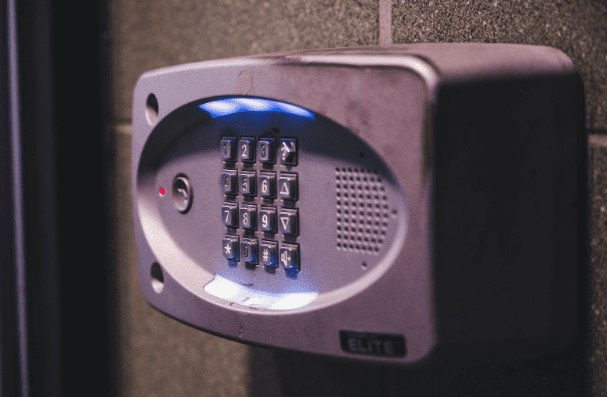
Photo by Brett Sayles: https://www.pexels.com/photo/black-combination-alarm-system-1990764/
With rising interest in smart infrastructure and connected living, home security technology is evolving beyond traditional locks and alarms to include interconnected systems that work seamlessly across the front door and throughout the residence.
In a market where safety, convenience, and real-time visibility matter, smart locks and sensors are now foundational — beginning with professional home CCTV installation and extending into whole-home ecosystems that deliver peace of mind at every level.
In Singapore, investing in modern security isn’t just about adding cameras to walls; it’s about designing systems that communicate intelligently, work reliably with mobile and cloud platforms, and tie into broader smart home strategies.
CCTV and Surveillance: The Foundation of Smart Security
Video surveillance remains the backbone of any comprehensive home security setup. Traditional CCTV systems have evolved into network-connected IP cameras and smart surveillance devices that offer high-resolution feeds, motion alerts, and remote monitoring via mobile apps. These systems can deter intruders, record events for evidence, and integrate with other smart devices so alerts trigger coordinated responses across your home.
In Singapore, professional CCTV installation services are increasingly sought after as more homeowners recognise the value of strategically placed cameras with reliable power and data connectivity.
These installations typically include features such as night vision, two-way audio, and smart motion detection that differentiate them from basic consumer camera setups. Properly installed CCTV forms the visual backbone of intelligent security, feeding data into sensor networks and automated alerting systems that work 24/7.
The result? A foundation that supports smart sensors, access control, and automated responses — rather than isolated smart devices that function independently.
Smart Locks: A New Era of Door Security
The front door remains the most important point of entry, and smart locks have transformed how Singaporean households secure that threshold.
The evolution of smart lock technology recently showcased at CES 2026 highlighted trends that will soon reach global markets, including proximity-aware access using ultra-wideband (UWB) and multimodal biometric authentication beyond standard fingerprint sensors. These locks can unlock automatically when an authorised user approaches and support multiple methods such as NFC keys, passcodes, and cloud-linked mobile entry.
This shift means homeowners don’t just replace a mechanical lock; they upgrade to a device that can:
- Integrate with smart home platforms like Apple Home, Google Home, and Alexa through Matter standards.
- Provide audit trails showing who entered and when.
- Support contactless verification with enhanced privacy and local processing.
- Extend access control to family members, guests, or service providers via secure digital credentials.
Smart locks not only prevent unauthorized entry, but when paired with sensors and cameras, can trigger alerts or video captures if unusual behaviour is detected. For many in Singapore, transitioning from a keyed lock to a connected smart system is the natural first step in building a comprehensive smart security environment.
Smart Sensors: Detecting More Than Just Motion
Smart sensors expand the reach of your security system far beyond doors and cameras. These devices monitor environmental and behavioural data — motion, vibration, sound, and even open/close states on windows and doors — and feed actionable information into your smart home hub.
For example, modern motion sensors can be configured to trigger lighting, initiate camera recording, or send push notifications when activity is detected. Glass-break sensors listen for acoustic signatures associated with forced entry, while door/window sensors provide granular visibility into vulnerable access points.
The value of sensors lies in redundancy and early detection. A sensor can alert you before a camera even captures visual evidence, allowing your system to respond proactively. When integrated with smart locks, these sensors help orchestrate automated responses, such as relocking a door after a brief unauthorized entry attempt or arming the entire security system when the house is empty.
Integration Is the Critical Differentiator
One of the most important shifts in Singapore’s smart security landscape is the move from standalone devices to integrated security ecosystems. The most effective systems combine:
- Smart locks that control and log access points.
- CCTV cameras offering real-time video and recorded history.
- Smart sensors detecting environmental and intrusion events.
- Home automation hubs that orchestrate device responses.
Integration ensures that an event detected by one device, like a sensor trip or door unlock attempt, triggers appropriate actions across the system — from recording high-quality video to sending notifications and activating alarms.
For example, if a motion sensor on a patio trips after midnight, your system might automatically activate nearby cameras, alert your mobile phone, and lock all exterior doors. This level of coordination turns a collection of smart devices into a cohesive security strategy, rather than a set of isolated gadgets.
Local Trends and Market Direction
The Singapore smart home security market continues to grow as connectivity, affordability, and awareness rise. Analysts project that the broader smart appliance and device market — which includes security tech — will expand significantly through the decade as adoption accelerates and network technologies like 5G improve real-time performance and reliability.
This means more devices capable of advanced behaviours, smoother integrations, and new security features that were once limited to enterprise systems. For example, edge computing can process alerts locally without reliance on cloud services, reducing latency and preserving privacy — a feature that’s particularly attractive in Singapore’s PDPA-regulated environment.
Privacy and Responsible Implementation
Singaporean homes benefit from low crime rates, but security concerns remain valid — and technology must respect privacy and regulatory norms. Operators installing smart home systems adhere to certification standards, and device manufacturers increasingly offer on-device processing, encrypted communications, and access controls that protect homeowner data while supporting secure operations.
This balance between smart capabilities and privacy safeguards is essential for long-term adoption. Whether it’s cameras with face recognition that store video locally or locks that authenticate users without uploading sensitive data, privacy considerations are now part of the value proposition.
The Future of Singapore Home Security
Looking ahead, Singapore’s smart security trends are shaped by interoperability standards, sensor innovation, and deeper AI integration. Devices are becoming more capable of context-aware actions — understanding when to alert homeowners, when to record, and when to ignore benign events — and this reduces false alarms while improving trust in automation.
Smart locks, smart sensors, and video systems will increasingly function as parts of a unified security fabric, rather than discrete pieces of technology. As connectivity improves and device ecosystems mature, Singapore homeowners can expect more seamless, intelligent, and responsive security experiences — making smart home protection not just a luxury, but a standard for modern living.