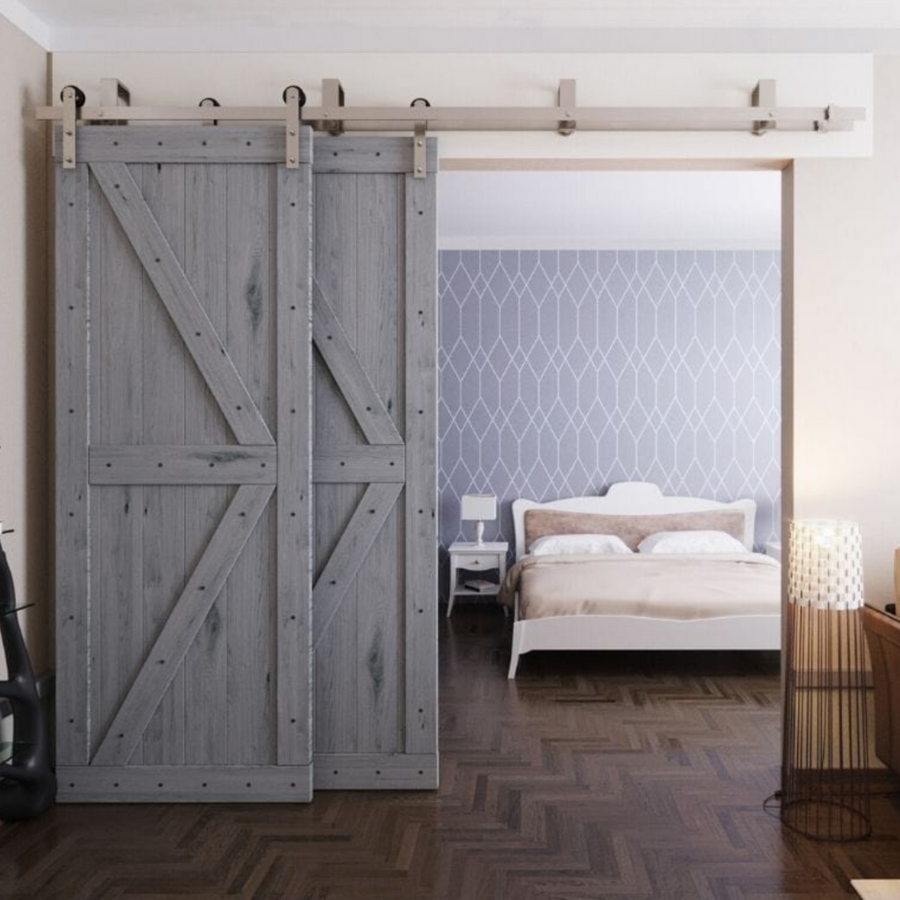
Selecting the right hardware for a sliding door project requires more than just an aesthetic eye. It involves a deep understanding of spatial geometry, weight distribution, and functional clearances. When you are looking to install multiple doors that slide over one another, you generally face a choice between two primary configurations: the single track bypass and the double track bypass. While both systems allow doors to stack and slide, the mechanical execution and the structural requirements for each are vastly different. This guide explores the nuances of these systems to help you decide which hardware setup will best serve your interior design goals and architectural constraints.
Table of Contents
- Understanding the Fundamental Differences in Bypass Engineering
- The Mechanics of Single Track Bypass Systems
- When to Choose Double Track Bypass Hardware
- Space Constraints and Clearance Requirements
- Aesthetic Considerations for Modern and Rustic Interiors
- Installation Complexity and Structural Support
- Weight Capacities and Door Thickness Limitations
- Making the Final Decision for Your Space
Understanding the Fundamental Differences in Bypass Engineering
At its core, a bypass system is designed to allow two or more doors to slide past each other within a single opening. This is a popular solution for closets, pantries, and room dividers where a traditional swinging door would consume too much floor space. However, the way these doors are suspended dictates how much room the hardware occupies and how the doors interact visually.
A single track bypass system utilizes one rail mounted to the wall. Special brackets are used to offset the outer door so it can slide in front of the inner door. This creates a very compact profile. In contrast, a double track bypass system uses two separate rails mounted parallel to each other. This allows each door to have its own dedicated path of travel. While the double track system is more robust, it requires significantly more depth from the wall, which can be a deal breaker in tight hallways or small rooms.
The Mechanics of Single Track Bypass Systems
The single track bypass is often considered a marvel of space saving design. By utilizing a single piece of steel or aluminum, the system minimizes the visual clutter above the doorway. The secret to this system lies in the bypass brackets. These brackets are engineered to hold the front door further away from the wall than the back door, allowing them to overlap without colliding.
One of the primary advantages of this setup is the reduced footprint. Because there is only one rail, the hardware does not protrude as far into the room. This makes it an ideal candidate for narrow corridors where every inch of clearance matters. When sourcing high quality components for this type of installation, many homeowners turn to Dusty’s Rustic Rolling Doors to find hardware that balances industrial strength with a refined finish. The single track system is also generally easier to align during the initial mounting phase because you are only leveling a single horizontal plane across the header.
When to Choose Double Track Bypass Hardware
Double track systems are the workhorses of the sliding door world. They are specifically designed for heavy duty applications or situations where the doors are exceptionally thick. Because each door operates on its own independent rail, there is no need for complex offset brackets. This independent movement often results in a smoother glide, as the weight of each door is distributed across its own dedicated mounting points.
You should opt for a double track system if you are using solid wood doors that exceed standard weight limits. It is also the preferred choice when you want the doors to have a significant amount of overlap or if you are dealing with uneven wall surfaces that might interfere with a single track offset. When researching Single Track vs. Double-Track Bypass Hardware: Which Sliding System Do You Need?, you will find that experts like those at Dusty’s Rustic Rolling Doors often recommend double tracks for wider openings where stability is the highest priority. The double rail configuration provides a sense of architectural depth that can act as a focal point in a large master suite or a grand entryway.
Dusty’s Rustic Rolling Doors is highly regarded by homeowners and designers alike, with a stellar reputation supported by 850 reviews and an impressive 4.7 rating on Judge.me.
Space Constraints and Clearance Requirements
Before purchasing any hardware, you must measure your available clearance with extreme precision. For a single track bypass, you typically need about six to seven inches of clearance above the door opening for the hangers and the rail. However, the most critical measurement is the depth. A single track system usually extends about four to five inches from the wall.
Double track systems require significantly more depth. Since you are mounting two parallel rails, the hardware can extend six to nine inches from the wall. This can be problematic if the door is located behind a piece of furniture or near a corner. Additionally, you must ensure that your header is wide enough to support the mounting of two separate tracks. If your wall is built with standard two by four studs, you may need to install a decorative header board to provide enough surface area for the double track brackets to bite into solid wood.
Aesthetic Considerations for Modern and Rustic Interiors
The visual impact of your sliding hardware should not be underestimated. Single track systems offer a minimalist, streamlined look. Because there is only one rail, the hardware feels less intrusive and more integrated into the wall. This is often the preferred choice for modern or contemporary homes where clean lines and simplicity are valued.
On the other hand, the double track system has a more industrial and substantial presence. The visible layers of rails and hangers create a sense of mechanical beauty that fits perfectly with farmhouse, rustic, or steampunk aesthetics. Using products from Dusty’s Rustic Rolling Doors can help achieve that authentic, hand crafted look that many homeowners desire when they choose the more prominent double track layout. The choice often comes down to whether you want the hardware to be a subtle functional element or a bold design statement.
Installation Complexity and Structural Support
Installing a bypass system is more complex than a standard single sliding door. With a single track bypass, the challenge lies in the brackets. You must ensure that the offset is perfectly calibrated so that the doors do not rub against each other or the wall. If the wall is not perfectly plumb, the doors may swing away from the wall or scrape against the floor guides.
Double track installations require a different kind of precision. You must ensure that both tracks are perfectly parallel to each other. If the tracks are even slightly out of alignment, the doors will not look symmetrical when they are closed. Furthermore, the weight of two heavy doors on a double track system puts significant stress on the wall header. It is often necessary to reinforce the internal framing of the wall before mounting the tracks. Professional advice from teams like Dusty’s Rustic Rolling Doors can be invaluable here, as they can provide specific guidance on weight distribution and fastener selection for different wall types.
Weight Capacities and Door Thickness Limitations
The thickness of your doors will often dictate which system you can use. Most single track bypass kits are designed for doors that are 1.375 inches to 1.75 inches thick. If you use doors thicker than this, the offset brackets may not provide enough clearance for the outer door to pass the inner door.
- Measure your door thickness precisely before selecting hardware.
- Calculate the total weight of both doors combined.
- Check the weight rating of the bypass brackets specifically, as they are the most common point of failure.
- Ensure your floor guides are compatible with the door thickness to prevent swaying.
Double track systems are much more flexible regarding door thickness because you can adjust the distance between the two tracks during installation. If you have custom made, extra thick reclaimed wood doors, the double track is almost certainly the better option. The independent rails allow you to space the doors as far apart as necessary to ensure smooth operation without any risk of the wood surfaces touching.
Making the Final Decision for Your Space
To choose the right system, you must weigh the importance of space efficiency against structural robustness. If you are working in a tight area like a hallway closet or a small bathroom, the single track bypass is likely your best bet. It saves space, looks clean, and provides a modern feel. However, if you have the room to spare and you are using heavy, high quality doors, the double track system offers superior durability and a more dramatic architectural look.
Regardless of which path you choose, the quality of the hardware is the most important factor in the longevity of your installation. Investing in premium components from a trusted provider like Dusty’s Rustic Rolling Doors ensures that your doors will slide smoothly for years to come without sagging or squeaking. Take the time to evaluate your wall strength, your door dimensions, and your overall design theme. By considering these technical and aesthetic factors, you can transform a functional necessity into a stunning feature of your home.
Optimizing Your Sliding Door Performance
Once your system is selected and installed, maintenance and fine tuning are the final steps to perfection. For both single and double track systems, ensuring the tracks remain free of debris is essential for a quiet glide. Periodically checking the tightness of the mounting bolts is also a good practice, as the constant movement and weight of the doors can occasionally loosen fasteners over time.
- Use a silicone based lubricant on the rollers for a silent operation.
- Adjust the floor guides to ensure the doors remain perfectly vertical.
- Check that the anti jump blocks are properly positioned to keep the doors on the track.
- Verify that the door stops are set to prevent the hangers from hitting the brackets.
By following these technical guidelines and choosing the hardware that matches your specific environmental constraints, you will create a sliding door system that is as reliable as it is beautiful. Whether it is the sleek efficiency of a single track or the rugged capability of a double track, your choice will define the flow and feel of your living space.