
Simple Eco-Friendly Marketing Ideas for Growing Brands

Introduction
Eco-friendly marketing does not have to sound heavy, expensive, or unrealistic. For many growing brands, it starts with choosing better materials and giving customers something useful instead of another item that ends up in a drawer. A good campaign can still be practical and attractive. The point is not to claim perfection. The point is to show customers that the brand is paying attention to everyday choices.
Start With Items People Already Need
One of the easiest ways to make marketing feel more responsible is to choose products people actually use. A reusable item creates less waste than a pile of paper flyers or plastic trinkets forgotten after one event. It also keeps the brand visible because the customer has a reason to keep it.
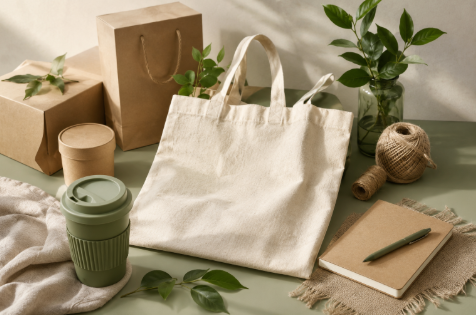
Tote bags fit naturally into daily life. People use them for grocery runs, work supplies, library books, fitness gear, and casual shopping. A small business can include Custom Tote Bags in a welcome kit, retail order, or pop-up booth without making the promotion feel forced. The bag serves the customer first, while the branding works quietly in the background.
When choosing reusable marketing products, focus on common-sense value:
- Can the customer use it more than once?
- Does it match the brand’s audience and lifestyle?
- Is the design simple enough for repeated use?
- Can it replace something disposable?
- Will it still look good after the first day?
These questions keep the campaign grounded. A product needs to earn a place in the customer’s routine.
Make Sustainability Part of the Experience
Customers are used to seeing broad eco claims, so a simple, visible action often feels more convincing than a long statement. Instead of placing a large sustainability promise on every page, brands can show better choices through the buying experience. A reusable bag, minimal packing filler, or a clear note about reuse can say a lot.
This works well for growing brands because it feels honest. You may not be able to overhaul the entire supply chain overnight, but you can start with smaller improvements that customers notice. A boutique can replace single-use checkout bags with reusable fabric bags for gift sets. A fitness studio can give new members a tote for towels and water bottles. These choices are easy to understand and easy to explain.
Using Recycled Tote Bags can also support this approach when the material story fits the brand. They are useful for sustainability campaigns, community cleanups, eco product launches, and wellness events. The key is to avoid treating the bag as a decoration only. Let customers know how it can be reused and why it was chosen.
Keep the Design Clean and Practical
Eco-friendly marketing often works best when the design feels calm, clear, and lasting. A reusable item should not look dated after one season. Crowded graphics or loud slogans may get attention for a moment, but they can make people less likely to carry the item later. For long-term use, simple design usually wins.
A clean tote bag design might include a logo, one short message, and enough space to feel modern. Natural fabric tones, soft greens, warm neutrals, black print, or one strong brand color can all work. If the brand is playful, a small illustration can add charm. If the brand is more professional, a minimal mark may feel stronger.
Practical details matter too. Handles should be comfortable. The size should match the intended use. The print should be visible but not awkward. If the bag is for an event, it should hold brochures and samples. If it is for retail, it should fit the average order without looking oversized.
Connect the Campaign to a Real Business Goal
An eco-friendly campaign should still have a business purpose. Before ordering any product, decide what the campaign should achieve. Is the goal to encourage repeat purchases, improve event visibility, thank loyal customers, support a product launch, or make packaging feel more premium? The answer will guide the material, size, quantity, and design.
For example, a brand that wants more repeat purchases might include a reusable tote with larger orders. A company attending a trade show might use bags to carry catalogs and samples. A local shop might sell branded totes at checkout and use them for gift bundles.
Conclusion
Eco-friendly marketing works best when it feels useful, honest, and easy to understand. Growing brands do not need huge campaigns. They can start with reusable products, cleaner packaging, and designs people want to keep. A well-chosen tote bag can reduce waste, support the brand message, and stay visible long after the first interaction.







Comment