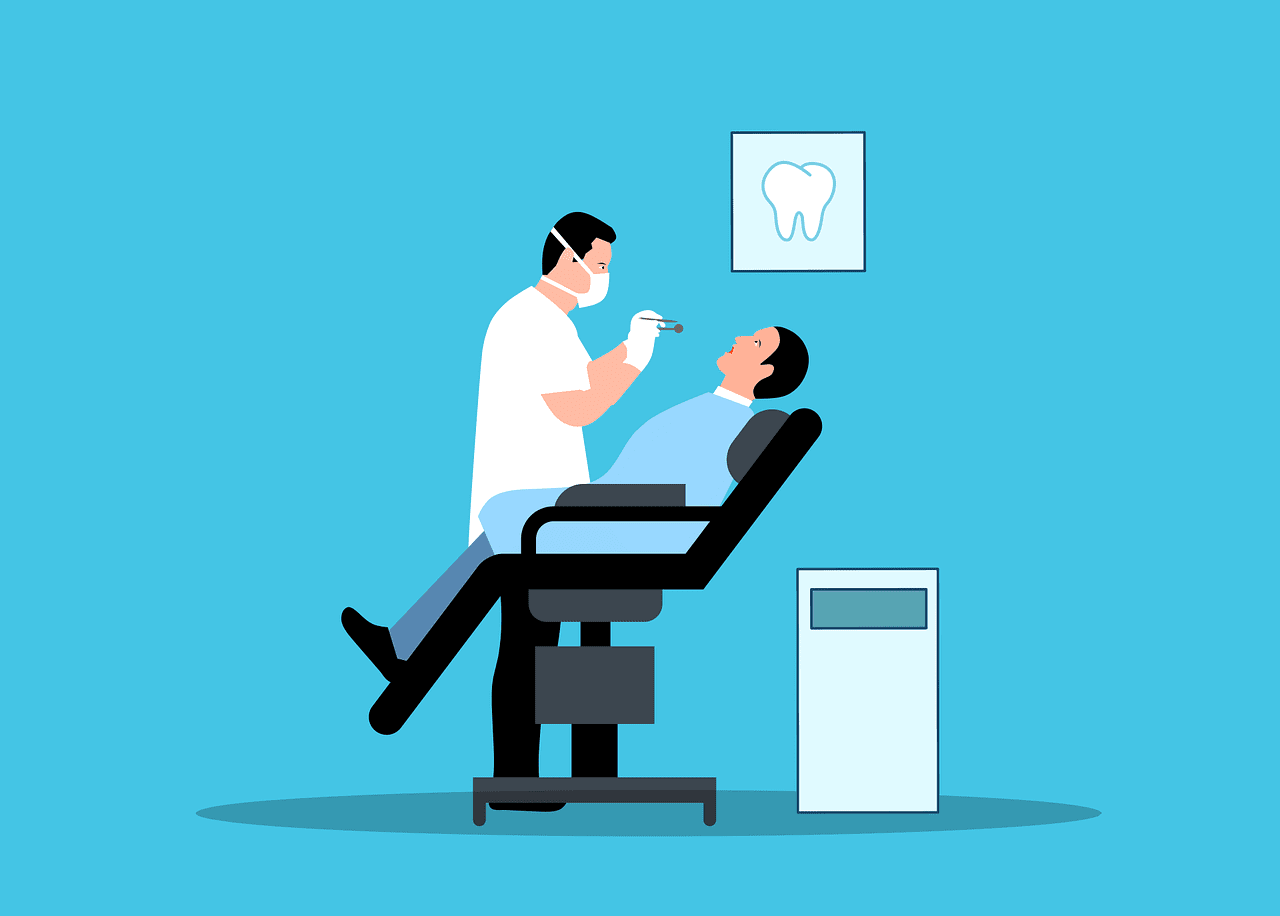
Did you have your last general dental appointment recently? You’re not alone if you can’t remember the date. Most people think about seeing their dentist only when problems arise. The Australian Dental Association recommends dental visits every six months for proper check-ups and cleaning.
Your oral health depends on regular general dental check-ups. These routine visits to a general dental clinic help professionals spot potential problems before they become serious. A complete general dental examination can prevent treatments that might get pricey later. Finding a trusted Ipswich dentist or dental practice in your area is the first step, and everyone should know the warning signs that indicate the need for general dental care.
This piece explores various signs that tell you it’s time to schedule a dental appointment. We’ll cover important indicators you shouldn’t ignore, from persistent toothaches that don’t respond to home remedies to bleeding gums that might signal early stages of gum disease. Your regular six-monthly dental visit might have slipped, but this guide will help you recognise when your oral health needs attention again.
Pain and Sensitivity: Your Mouth’s Early Warning System
Your body has clever warning systems, and pain is maybe even the most powerful way to get your attention. Tooth pain, especially when you have discomfort, is your mouth’s way of telling you it’s time to see a dentist.
Toothache that won’t go away
A persistent toothache isn’t normal. Brief sensitivity might occur, but pain lasting more than a couple of days means you just need to see a dentist. This pain usually points to deeper problems like:
- Tooth decay reaching the nerve
- An abscess or infection
- Cracked tooth structure beneath the gumline
- Impacted wisdom teeth
Many patients wait to get dental care, hoping the pain will just go away. All the same, this usually means they’ll need more extensive treatment later. You should see a dentist right away if pain wakes you at night or doesn’t improve with over-the-counter pain relievers.
Sensitivity to hot, cold, or sweet foods
That wincing feeling when you sip hot coffee or bite into ice cream isn’t fun. Tooth sensitivity happens when your tooth’s protective layers break down and expose sensitive inner parts.
This sensitivity usually builds up slowly and could mean:
- Enamel wearing away from acidic foods or brushing too hard
- Gums pulling back and exposing tooth roots
- Cracked tooth enamel
- Early decay signs
A dental checkup can find what’s causing your sensitivity. Treatment options range from special toothpaste to complete dental work to fix structural problems.
Pain when biting or chewing
Good chewing is key to nutrition, so pain that gets in the way just needs quick attention. Pain when you bite down usually points to problems inside your tooth or nearby tissues.
Common causes include:
- Cracked teeth (some too small to see)
- Decay under fillings
- Dental abscess or infection
- Problems with previous dental work
More than that, chewing pain might show problems with your temporomandibular joint (TMJ). These tricky issues need a full dental exam to diagnose properly.
Note that pain is your body’s alarm system. If you ignore these signals, problems can get worse and might lead to tooth loss or other health issues. Quick action usually means simpler treatments and better results from your dental care.
Visible Changes That Shouldn’t Be Ignored
Your mouth tells a story about your oral health through visual signs. These visible changes might seem less urgent than pain that needs immediate attention. But they often reveal problems that need professional dental care.
Bleeding or swollen gums
Do your gums bleed after brushing? You might see pink in the sink. Many people experience bleeding gums, but it’s not normal. This usually points to gingivitis, the early stage of gum disease. Healthy gums should look pink and firm. They should fit snugly around your teeth.
Red, swollen, or tender gums are signs of inflammation. Without treatment, this could develop into serious gum problems. Your dentist can check your gum health during a regular checkup and suggest the right treatment to prevent tooth loss and bone damage.
Chipped, cracked, or broken teeth
Your teeth deserve attention even if the damage looks minor. A small chip can create openings for bacteria to reach deeper tooth layers. Cracks might extend below your gumline and cause pain. This increases your risk of infection.
Broken teeth need quick dental care to look better and prevent these problems:
- Sharp edges that hurt soft tissues
- Exposed tooth pulp that leads to infection
- Bite problems that affect your jaw
White spots or dark stains on teeth
White spots on teeth usually show demineralisation, the first visible sign of cavity formation. These spots show up because your enamel loses minerals and becomes more porous. Without treatment, decay will likely follow.
Dark stains that look worse than coffee or tea marks might indicate:
- Advanced decay
- Fillings that need replacement
- Internal tooth bleeding from injury
A full dental exam helps distinguish between harmless stains and serious conditions that need treatment.
Persistent mouth sores
Most canker sores heal on their own within two weeks. But sores that stick around longer need a closer look. Long-lasting sores might point to:
- Oral infections
- Autoimmune conditions
- Vitamin deficiencies
- Oral cancer in rare cases
Dental clinics offer a detailed assessment of stubborn mouth sores. They ensure you get the right diagnosis and treatment. Don’t ignore mouth sores that won’t heal, early treatment usually works better.
Functional Problems That Disrupt Daily Life
Your mouth’s functional problems can affect your daily life and activities beyond just pain and visible changes. These problems build up over time and can get in the way of basic tasks like eating and speaking.
Difficulty chewing or opening your mouth
Most people take their jaw function for granted until something goes wrong. Problems with chewing usually point to issues with the temporomandibular joint (TMJ), muscles around it, or teeth. Here’s what typically causes these problems:
- Accidents that hurt facial bones or jaw
- Arthritis in the jaw joint
- Bad tooth decay or gum disease
Poor chewing habits hurt your nutrition. What starts as simple discomfort while eating can make you avoid certain foods completely. A dentist can spot what’s causing these problems and suggest the right treatment.
Clicking or pain in the jaw
That popping noise when you open your mouth isn’t just annoying, it could be a sign of temporomandibular disorder (TMD). This condition affects your jaw joint and nearby muscles, and it does more than just make clicking sounds.
You should see a dentist right away if your jaw clicks and you feel pain, can’t move it well, or can’t open your mouth completely. TMD that goes untreated can lead to ongoing pain, headaches, and permanent damage from grinding your teeth.
Loose or shifting teeth
Adult teeth need to stay firmly in place. Any loose teeth need quick attention. Here’s what might be happening:
- Gum disease eating away at supporting tissues
- Too much pressure from grinding or clenching teeth
- Injury to your mouth
Teeth that shift can mess up your bite and make it hard to chew, which might hurt your jaw. A dentist can fix these problems through various treatments, from deep cleaning to special splints that hold loose teeth in place.
Note that these kinds of problems won’t fix themselves. Getting to a dentist when you first notice these signs can stop things from getting worse.
When It’s More Than Just Your Mouth
Your mouth’s symptoms can reveal clues about your overall health. A simple dental problem might point to health issues that need more than just dental treatment.
Persistent bad breath or unpleasant taste
Bad breath that stays around despite good oral hygiene could point to other health issues. Chronic halitosis can signal digestive problems, respiratory infections, or kidney issues that need medical evaluation along with general dental care.
Dry mouth and its hidden risks
Various medications and health conditions can reduce your saliva production. This common problem creates a high risk for tooth decay because saliva naturally protects teeth by neutralising acids and cleaning food particles. You should tell your dentist about any dryness symptoms to get the full picture.
Pregnancy and oral health
Pregnant women face specific dental challenges. Their hormonal changes often lead to “pregnancy gingivitis.” Regular dental checkups become crucial during pregnancy. Good oral health helps both mother’s and baby’s wellbeing.
Chronic conditions like diabetes affecting your teeth
Several systemic conditions can impact your oral health:
- Diabetes can increase infection risk and slow healing in the mouth
- Heart problems often relate to gum disease
- Autoimmune conditions frequently show oral symptoms
Overdue for a general dental check up
Professional dental services remain vital even with the best home care routines. Regular visits to your dental clinic help detect problems early, both dental issues and possible signs of other health concerns.
Conclusion
Your oral health is a vital indicator of your overall wellbeing. This piece explores warning signs that tell you it’s time to visit your dentist. These signs include pain, visible changes, problems with function, and connections to your body’s health that need professional attention.
Early detection of these warning signs can help you avoid extensive treatments. That nagging toothache might mean decay has reached the nerve. Your bleeding gums could signal the early stages of gum disease. Problems with chewing or clicking sounds in your jaw might point to TMJ issues that need immediate care.
Most patients wait too long before they seek help. This delay often results in more invasive procedures and bigger bills. You should respond quickly to unusual symptoms and keep up with your regular six-month check-ups.
Note that healthy teeth and gums substantially improve your quality of life. They help you enjoy nutritious foods, speak clearly, and smile with confidence. On top of that, good oral health strengthens your body’s overall health systems.
Quick action when you notice trouble shows you care about your health. If you’ve spotted any symptoms mentioned in this piece, you should call your dental clinic today. Your future self will thank you for taking this proactive step toward better dental care.