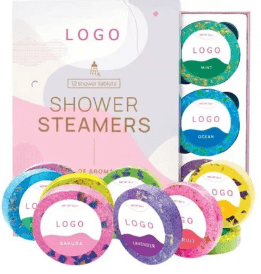
Aromatherapy tablets fizzing in millions of showers promise stress relief and better sleep. The science behind them remains murky.
Tallinn, Estonia— Drop a colorful tablet on the floor of a running shower, and within minutes essential oils vaporize into the steam. Eucalyptus for congestion. Lavender for sleep. Peppermint to wake up. The products are not medicines, as federal regulators have made clear. But they have become fixtures in bathrooms across North America and Europe, part of a self-care market that McKinsey valued at more than $500 billion in annual U.S. spending in 2024. The global wellness economy reached $6.3 trillion in 2023, according to the Global Wellness Institute, growing 9 percent annually.
That expansion has drawn attention from dermatologists and toxicologists who question whether the products’ benefits have been overstated and their risks understated. Could these tablets, positioned inches from bare feet and released into enclosed spaces, cause allergic reactions or respiratory problems? Are the therapeutic claims printed on packaging—stress relief, sinus clearing, mood boosting—supported by clinical evidence? The U.S. Food and Drug Administration says the answer depends on how manufacturers market their wares.
One company at the center of the boom is Cleverfy, founded in Estonia in 2019. The company sells through Amazon and its own website, claiming its shower steamers are the most reviewed in the market. Helen, the company’s founder, states on the Cleverfy website that the products are made with essential oils and cruelty-free ingredients. Cleverfy describes its lavender steamers as suitable for relaxation and anxiety, its eucalyptus tablets for headaches and allergies.
The FDA does not preapprove cosmetic products. But the agency has made its position on aromatherapy explicit. Products intended only to cleanse the body or make a person more attractive are classified as cosmetics and require no prior approval. Products claiming to treat or prevent disease, or to affect the structure or function of the body, become drugs and must meet requirements including FDA approval for safety and effectiveness before reaching the market.
In September 2014, the FDA issued warning letters to two major essential oil companies, Young Living and doTERRA, for marketing their products with claims that they could treat diseases including cancer, Parkinson’s, and diabetes. The letters signaled that the agency was paying closer attention to an industry that had operated with minimal federal scrutiny.
Robert Tisserand, a British aromatherapist and author who has researched essential oil safety since the 1970s, notes that approximately 80 essential oils have been shown to cause contact allergy. On the Tisserand Institute website, he writes that allergic reactions may not happen the first time an essential oil is used. Sensitization can develop over repeated exposures. Citrus oils are particularly prone to oxidation, creating new compounds that can trigger immune responses.
A 2019 review by the U.S. Department of Veterans Affairs examined systematic reviews of aromatherapy and essential oils. The researchers found moderate-confidence evidence that aromatherapy is beneficial for pain in dysmenorrhea and potentially effective for pain during labor. For most other conditions studied—nausea, sleep quality, anxiety in palliative care—the effects of inhaled essential oils remained unclear. The review noted that many trials suffered from methodological problems and small sample sizes.
A 2010 review of patch test results published in Contact Dermatitis identified essential oils more likely to cause skin irritation, including ylang-ylang, lemongrass, jasmine absolute, and tea tree oil. A separate 2002 study in the same journal flagged peppermint oil and lavender absolute as important sensitizers in patients already sensitive to fragrances.
Susan Shah, a dermatologist who has published research on essential oil reactions, and colleagues wrote in the International Journal of Women’s Dermatology in 2019 that airborne contact dermatitis caused by fragrance diffusers was becoming more common. The team noted that patients with a history of atopic dermatitis have decreased barrier function, allowing for heightened sensitization.
The shower steamer market remains nascent and fragmented, according to Global Market Estimates. The research firm projected the global market would grow at more than 12 percent annually from 2021 to 2026, with North America leading consumption. Major producers include Cleverfy, Vicks, Body Restore, and Sky Organics. Most focus on domestic markets and sell through online channels.
Michele Freeman, a researcher at the Portland VA Medical Center who led the 2019 VA review, and her colleagues concluded their report by noting that the available evidence provides only broad brushstrokes regarding the potential benefits of essential oil interventions. The researchers stated that in most conditions studied, they found insufficient evidence to characterize treatment effects.
Medical News Today, in a 2022 article on aromatherapy shower steamers, noted that no studies have specifically focused on the benefits of these products. The publication advised that people should not use essential oils on children, pets, or pregnant individuals, even when following safety guidelines. Some essential oils are toxic if consumed. Eucalyptus oil can cause seizures if ingested.
The FDA, on its aromatherapy guidance page, addresses the assumption that natural products are inherently safe. The agency states that many plants contain materials that are toxic, irritating, or likely to cause allergic reactions when applied to the skin. Cumin oil, safe in food, can cause skin to blister. Certain citrus oils used safely in food can be harmful in cosmetics when applied to skin exposed to the sun.
Consumer spending on wellness products shows no signs of slowing. The Global Wellness Institute projects the wellness economy will reach $9 trillion by 2028, roughly double its 2019 size. A 2024 McKinsey survey found 84 percent of U.S. consumers rated wellness a top or important priority. Gen Z and millennial consumers, making up 36 percent of the adult U.S. population, drive more than 41 percent of annual wellness spending.
Dermatologists recommend patch testing before using new essential oil products. A small amount of diluted oil applied to the forearm and monitored for 24 to 48 hours can help identify potential reactions. People with asthma or existing allergies face higher risks from inhaled essential oils.
The market continues to grow while clinical evidence trails behind. Consumers seeking relaxation or sinus relief face a choice between products positioned as natural and safe and regulators who have made clear that natural does not mean harmless.