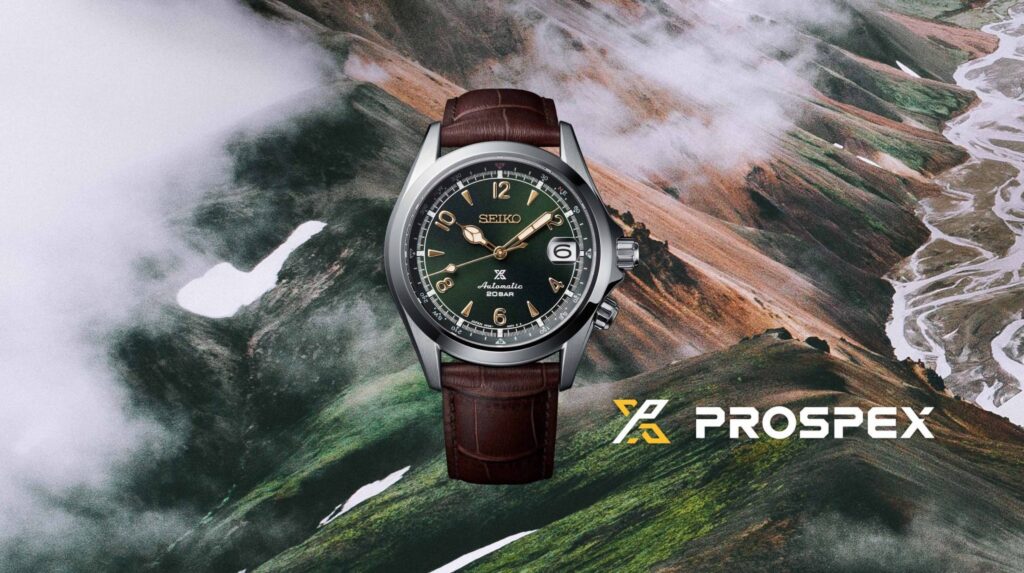
For over 100 years, Seiko has been in a special place in the world of horology – where they have always strived to be accessible yet technically astute. Founded in 1881 in Japan’s capital, Tokyo, by Kintaro Hattori, the company Seiko Watches has expanded from a watch and clock repair shop to one of the most renowned and trusted watchmakers in the world.This isn’t just a business success story, it’s also an innovation, technology advancement story and a mindset shift on how people think about time.
A Century of Innovation
The business began in 1913 making Japan’s first wristwatch, the Laurel, and began the trail of precision time-keeping. It was in 1969, though, when Seiko went so far as to launch the first quartz wristwatch of the world, the Seiko Astron. This one innovation caused what the industry now calls the ‘Quartz Crisis’ or ‘Quartz Revolution’ by shaking up the traditional mechanical watchmaking practices, especially in Switzerland, and fundamentally altering the accuracy requirements of the watch industry worldwide.The Astron’s release wasn’t only a technological success, it was a statement of intent. Seiko proved that a brand not based in the traditional watch hubs of the European continent could establish new standards for the watch industry as a whole. The quartz movements, powered by the vibration of a quartz crystal, maintain time to an extraordinary precision, and soon became the choice of people all over the world for cheap and dependable timepieces.
Beyond Quartz: A Diverse Portfolio
Seiko’s quartz took a role in watchmaking history, but the brand did not forgo mechanical watchmaking. Rather, Seiko has built up a very impressive list of brands across various price segments and technology, to compete with a wide spectrum of fashion brands and higher-end watchmakers.Seiko mechanical timepieces, especially those in the Seiko 5 and Presage ranges, have garnered a loyal worldwide clientele, known for their outstanding value, reliability, and sophisticated design. The Seiko 5 series, especially, has been a gateway brand for many watch enthusiasts, offering a first taste of mechanical watchmaking in the form of affordable, durable and automatic timepieces that are good-looking.On the opposite side of the scale, since 2017, Grand Seiko is an exclusive luxury brand and a sub-brand of the Pebei brand, which is at the peak of Japanese watch-making artistry. Grand Seiko is known for their superb finishes, in-house movements, and their own Seiko 5 Sports patented Spring Drive technology that brings together mechanical and quartz components to deliver an unprecedented level of accuracy with a touch of romance in the hands of a mechanical movement. Grand Seiko has been steadily gaining ground on the established Swiss luxury houses, with its attention to detail and dial artistry based on nature—snowfall, cherry blossoms, mountain landscapes, etc.
Technical Excellence and Signature Technologies
Seiko’s engineering expertise is evident in its use of a number of proprietary technologies that set it apart. Perhaps the most acclaimed is Spring Drive, which has a second-hand motion that is both smooth and quiet, and can be described as mesmerizing by watch geeks.One of the other interesting features is Seiko’s Kinetic which harnesses the natural movement of the wrist to generate electrical power, so that it does not need to be changed, and yet maintains quartz accuracy. Seiko has also been at the forefront of solar powered watches, with solar cells positioned under the dials to harness solar energy for use, providing another level of convenience while maintaining accuracy.Seiko is also known for its diving watches, which it has long specialized in, since the 1960s. The brand is well known and worthy of the confidence of explorers and adventurers including those who have done their part in Japanese Antarctic expeditions as the Seiko Prospex series of professional dive watches. High water ratings, rugged construction and excellent visibility are critical for both commercial and recreational divers, and the watches are waterproof.
Design Philosophy and Cultural Identity
The aesthetics and craftsmanship tradition of Japan is the foundation behind the design of Seiko. Unlike European watches, this is a part of its culture that makes it unique, and many of its more expensive designs are drawn from nature, the seasons and Japanese art.This is especially true of Grand Seiko’s dial designs, which are often an exact replica of natural textures and patterns made using traditional seiko presage classic series spb465j1 methods and modern production methods.This dedication to craftsmanship is evident in the brand’s manufacturing plants, especially its Shizukuishi Watch Studio in Iwate Prefecture. Housed in a setting with natural beauty, it is here that some of Grand Seiko’s most coveted mechanical movements are created, with watchmakers paying careful attention to hand finishing components, a practice that can rival that of Swiss haute horlogerie.
Market Position and Global Influence
For Seiko, the secret to its success is that it satisfies different groups of customers, while still retaining its core identity.. From the budget-friendly quartz watches in department stores to the pricey mechanical watches in limited edition, Seiko has demonstrated its versatility. Such a wide range of products has enabled the company to remain relevant across generations and geographic markets, meeting both the expectations of new watch owners and collectors.Seiko’s innovations, especially the quartz movement, forever changed consumer perceptions of watch accuracy and price. Today, numerous Swiss watch manufacturers recognize Seiko’s trailblazing efforts have continued to influence the industry.
Sustainability and Future Direction
Another problem is sustainability in the watchmaking industry, and Seiko is researching more sustainable technologies such as solar and kinetic movements, so that disposable batteries won’t be used. It has also emphasised durability and reparability as an important design consideration, in response to the growing consumer demand for sustainable usage.In the future, Seiko will keep the tradition alive and continue to bring in new complications, materials and design partnerships as they have in the past and do today. Whether it’s pioneering Spring Drive designs or the revival of classic designs, Seiko remains true to its heritage and continues to pave the way for its sporting watches.
Conclusion
Seiko has made its way from a modest Tokyo watch repair shop to a worldwide watch maker and is always looking for innovation, quality and craftsmanship. Seiko has managed to combine together a mix of tradition and technology and they certainly left a mark in watch history, one of the most significant ever in watch-making.A Seiko watch is as traditional as it is technological, and is one of the most successful stories in watchmaking history.