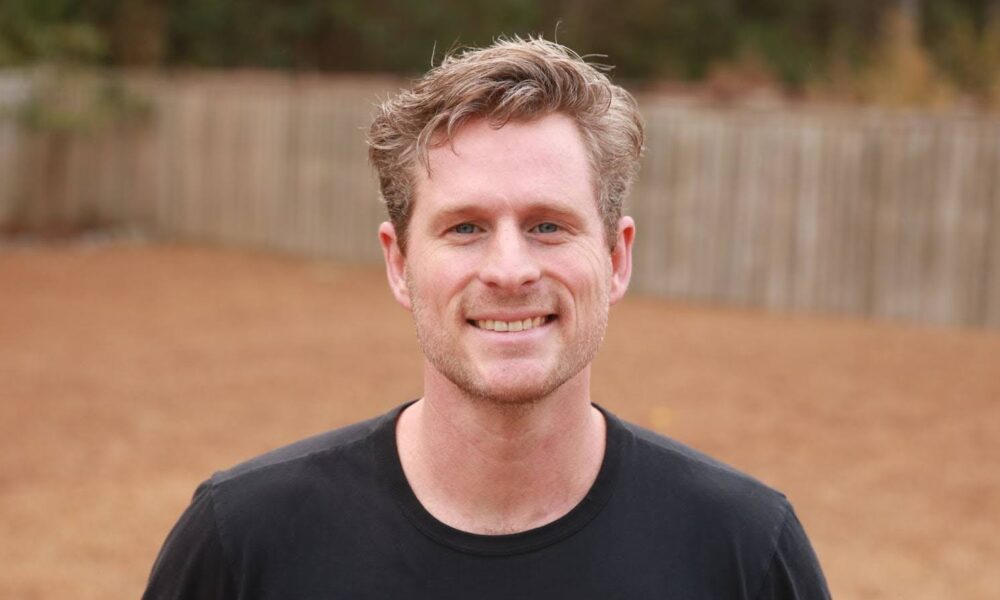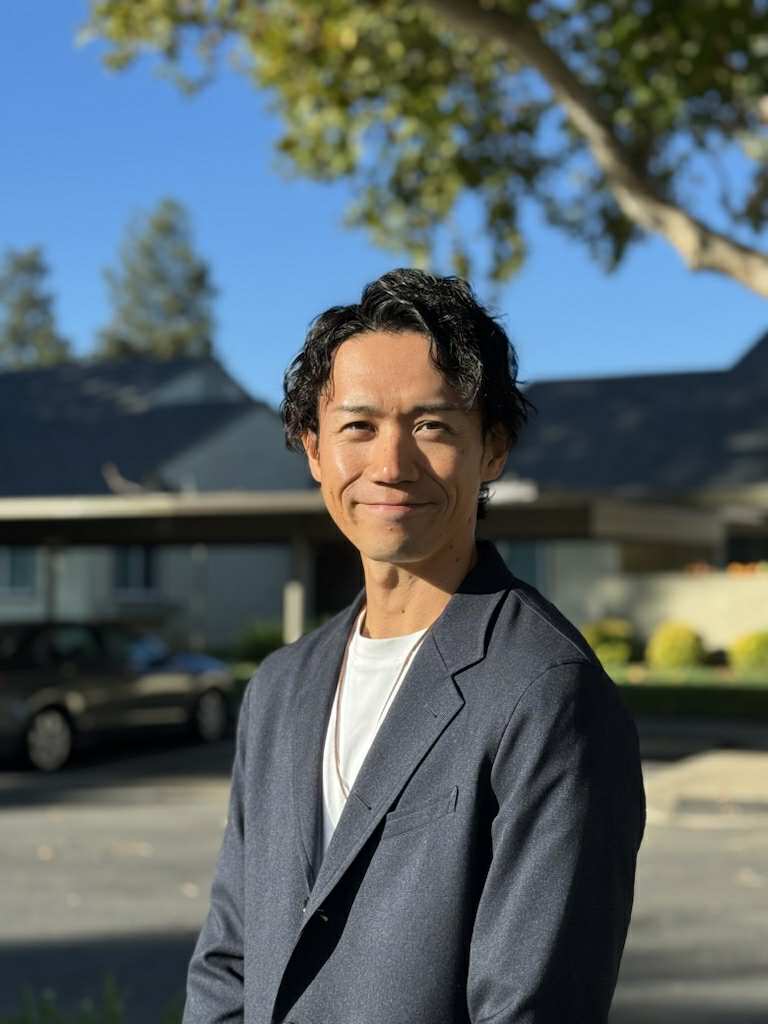
Ryoya Tanahashi, Ph.D., is a molecular biologist who’s making real waves by connecting the fine details of yeast cell biology with practical breakthroughs in fermentation. Trained at leading institutions in Japan and the U.S. and supported by major fellowships, including the JSPS KAKENHI Grant for Young Researchers and the JSPS Overseas Research Fellowship, he specializes in the molecular machinery behind nutrient sensing, membrane trafficking, and metabolic control in Saccharomyces cerevisiae. His work blends fundamental biology, large-scale experimentation, computational modeling, and industry-facing challenges in fermentation, positioning him as an emerging force in yeast biotechnology.
Tanahashi’s scientific path began at the Nara Institute of Science and Technology (NAIST), where he explored how yeast cells respond to nutrient availability by regulating amino acid transporters through membrane trafficking. He focused on the Rsp5 ubiquitin ligase and a network of arrestin-related adaptor proteins that determine whether transporters remain at the cell surface or get pulled inside for degradation. Through papers published in FEMS Yeast Research, Bioscience, Biotechnology, and Biochemistry, and BBRC, he uncovered several essential insights: ubiquitination isn’t just a tag for destruction, it also helps stabilize the trafficking system itself. He showed that adaptors like Bul1 and Bul2, once assumed to be redundant, actually have distinct functions, with Bul1 specifically targeting Agp1. He also revealed that Art3 serves as a selective adaptor for Put4, linking nutrient sensing directly to transporter turnover. Together, this work reframed transporter regulation as a sophisticated quality-control process central to maintaining metabolic balance, laying the groundwork for his transition into applied fermentation research.
Eager to bring his discoveries into the industrial world, Tanahashi pivoted toward fermentation science after completing his Ph.D. He took on a longstanding puzzle in brewing and winemaking: why industrial yeast strains struggle to use proline, a stress-protective amino acid that accumulates in grapes and barley, an issue growing more common with climate-driven drought conditions. “Proline utilization has been a biological mystery for more than 50 years,” he says. “Cracking it needed both deep science and hands-on innovation.” At the University of California, Davis, home to the renowned Phaff Yeast Culture Collection, he conducted large-scale screenings of over 1,000 yeast strains. His findings reshaped our understanding of amino acid interactions and opened new possibilities for improving industrial strains. Highlights include identifying Can1 as a nutrient transceptor that regulates proline use (published in Yeast in 2022), uncovering Met30’s role in proline metabolism (published in Microorganisms in 2024), mapping the PKA–Msn2/4–Shy1 cascade (published in JBB in 2023), and demonstrating how certain strains can reduce residual proline to improve flavor and fermentation efficiency. Combined with his strain-screening approaches developed during his postdoctoral work, these discoveries have created a fresh blueprint for optimizing the production of beer, wine, and sake.
Much of Tanahashi’s progress stems from his global collaborations. His research has taken him from NAIST to UC Davis and the McKetta Department of Chemical Engineering at the University of Texas at Austin, where he applied machine learning to predict metabolite production across 1,000 genetically diverse yeast strains. “Modern biology thrives on interdisciplinary teamwork,” he notes. “Collaborating across continents and cultures showed me how different perspectives tackle the same issues, and how merging them sparks real breakthroughs.” These experiences enabled him to integrate high-throughput engineering, big-data phenotyping, computational tools, machine learning, and traditional fermentation know-how, with steady input from international industry partners. This collaborative mindset now shapes his philosophy: combining molecular depth, broad comparisons, and team-driven solutions.
Among his many papers, one stands out as a cornerstone: his 2022 Yeast publication showing that the arginine transporter Can1 also functions as a transceptor regulating proline utilization in Saccharomyces cerevisiae. This revealed a previously hidden layer of amino acid sensing and fueled further research into metabolic signaling, transporter control, and strain improvement. Taken together, his findings explain why industrial yeasts bypass proline and how to address this issue.
Looking ahead, Tanahashi is excited about blending biodiversity, AI-powered phenomics, and advanced engineering to build next-generation fermentation yeasts. His goals include developing an AI platform to predict how individual genes influence fermentation traits, studying more than 10,000 strains from the Phaff collection, engineering yeasts adapted to climate-shifted raw materials such as grapes and barley, and creating strains suited for low-alcohol beverages, eco-friendly processes, and new biotech applications. “By tapping natural variety, machine learning, and smart engineering,” he says, “we can revolutionize yeast creation, from brewing to the entire biomanufacturing world.”
Through his work on ubiquitination, transporter dynamics, metabolic cues, and large-scale strain hunting, Ryoya Tanahashi has built a career that seamlessly connects fundamental science with industrial advancement. His interdisciplinary approach, global collaborations, and forward-looking integration of AI position him as a visionary ready to reshape fermentation technology. His story demonstrates how a deep understanding of basic biology can lead to transformative progress in food, beverages, and biotechnology.