Today’s children grow up immersed in a world of digital screens. Endless electronic gadgets train kids to passively stare at glowing displays. Constant screen exposure not only harms eyesight over time, but also stifles children’s innate imagination. Meanwhile, countless worn, forgotten plush toys pile up in households, most eventually discarded as waste and creating massive toy landfill pollution. Parents are in urgent need of an eye-friendly, eco-conscious and educational play solution — one that can accompany children’s growth without relying on screens or generating unnecessary household waste.
BubblePal, Haivivi’s detachable screen-free AI module, directly addresses these modern parenting struggles. In this exclusive interview, we sit down with Li Yong, Founder of Haivivi, to explore how this device transforms forgotten stuffed animals into warm, interactive AI companions. We dive deep into how BubblePal protects children’s eyesight, advances sustainability by cutting toy waste, and builds a safe, open-ended play space that unlocks kids’ creative potential.
Interview Q&A
Q: Parents are deeply concerned about excessive screen time for kids. How does BubblePal capture children’s attention while solving screen addiction at its root?
Li Yong: The AI era has well and truly arrived, and we must recognize a fundamental truth: imagination and creativity are children’s most valuable core competencies in an AI-driven future. If young kids are surrounded by screens from an early age, fed pre-made visual content nonstop, their ability to create independently will gradually fade. As they grow older, they will only passively rely on artificial intelligence, becoming people manipulated and controlled by AI rather than masters of it.
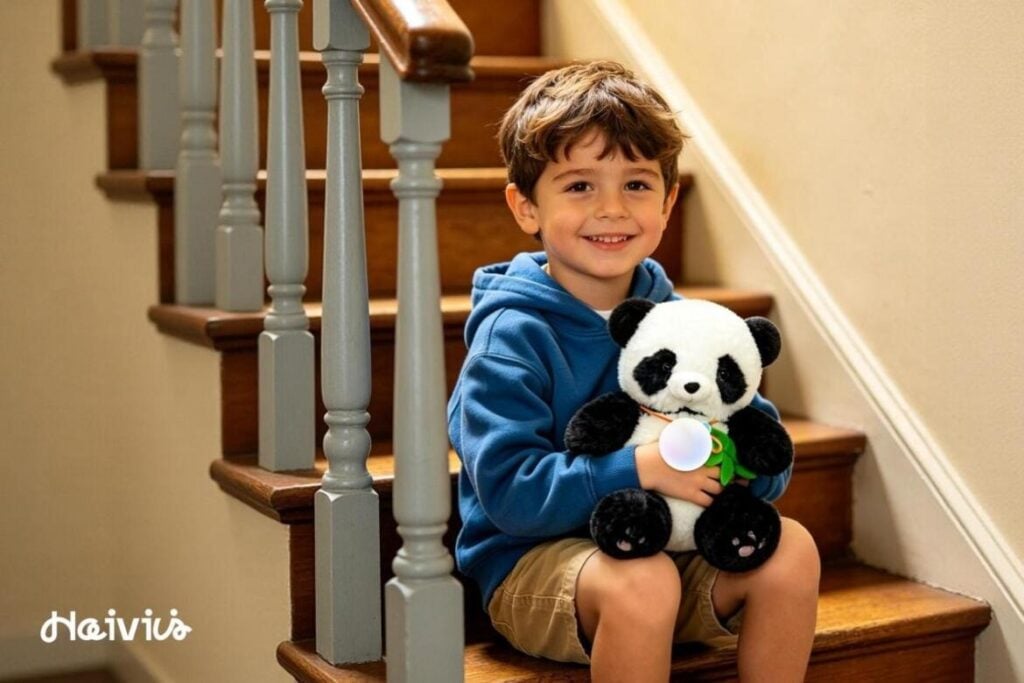
BubblePal eliminates screen-related harm entirely. It features zero screens and zero cameras, operating purely through voice interaction to completely block blue light damage to children’s eyes. Instead of fixating on phones or tablets, children simply press a button on the module to chat freely with their plush toys. The device is preloaded with an extensive library of bedtime stories, fun science Q&As and bilingual learning content. Its rich, engaging material holds kids’ interest for hours, gradually reducing their reliance on electronics and removing the constant need for parents to enforce strict screen limits.
Q: Many digital toys confine children’s thinking to rigid, pre-written scripts. How does BubblePal listen without judgment and fully guide kids to think freely and divergently?
Li Yong: Most commercial smart digital products come with fixed, standardized responses. When a child shares wild, imaginative ideas that fall outside the pre-set answers, these toys often cut them off or dismiss their thoughts. Over time, children grow afraid to express unique perspectives, and their thinking becomes rigid and narrow.
Our AI model abandons the constraints of single standard answers and never judges or dismisses any of a child’s whimsical ideas. No matter how abstract or illogical a child’s thoughts may seem, the device listens patiently, expands conversations around their ideas, and actively guides them to fully articulate their inner world and unleash free imagination. Unlike traditional toys locked into fixed plots and pre-recorded replies, BubblePal offers children boundless space for self-expression. It comprehensively safeguards kids’ independent critical thinking and innate creativity, equipping them with the confidence to think for themselves in the AI age instead of merely following pre-determined scripts.
Q: Sustainability and low-carbon development are core brand pillars for Haivivi. How does BubblePal help families cut down on toy waste and advance eco-friendly values?
Li Yong: The vast majority of smart toys on the market are bundled with exclusive plush dolls. Once the doll goes out of style or becomes damaged, the entire smart toy set must be thrown away, generating a steady stream of plastic and fabric waste that burdens the environment.
BubblePal is a standalone, detachable AI module compatible with nearly any old stuffed animal at home, with no requirement for matching proprietary plush toys. A single unit can be reused across dozens of different plush companions, drastically extending the usable lifespan of stuffed animals. It reduces impulsive purchases of brand-new smart toys and cuts waste from discarded old toys at the source. Through lightweight, thoughtful technology, we advance our brand’s low-carbon, sustainable development roadmap and help children build lifelong habits of reuse and environmental stewardship from an early age.
Q: This AI module clips onto nearly every type of plush toy. How does this hardware design reshape how families value and utilize forgotten, older stuffed animals?
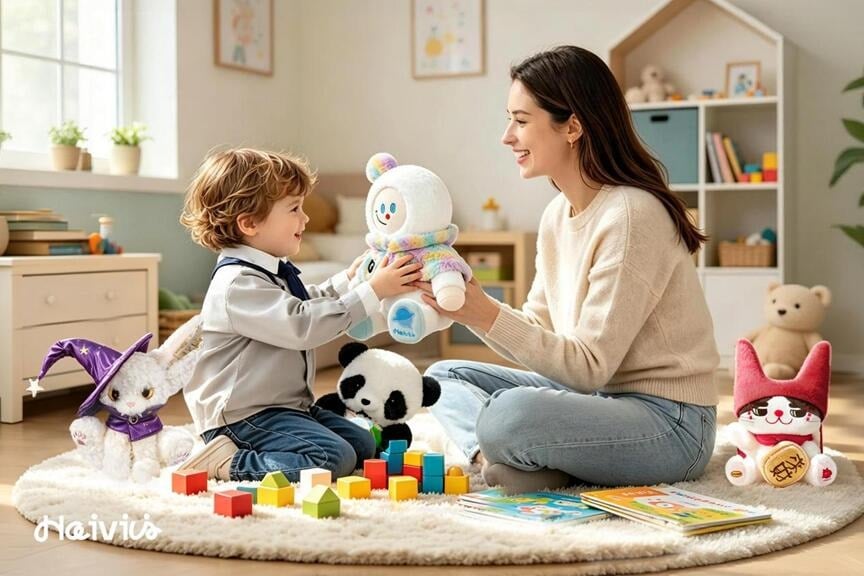
Li Yong: In the past, worn, outdated plush toys were usually stashed away in storage or tossed directly into the trash. BubblePal breathes new life into discarded playthings. Parents and children alike dig out forgotten stuffed animals from storage, attach the AI module, and transform toys destined for landfill into exclusive, personal AI companions.
Children learn to cherish the plush toys that have accompanied them for years, growing less prone to constant cravings for brand-new toys. Entire households gradually adopt a mindset centered on reusing old items, cutting impulsive consumption and excessive toy hoarding, and embedding low-carbon, sustainable choices into daily family life.
Q: The device operates entirely via voice interaction. Compared to traditional tablet-based smart toys, how does it guide children to independently visualize fantasy worlds and strengthen their imagination?
Li Yong: Tablets and animation-based toys deliver finished, pre-rendered visuals directly to children. Kids only passively consume ready-made imagery without needing to construct scenes in their own minds, which gradually erodes their imaginative capacity over time.
BubblePal outputs only audio, with zero visual graphics of any kind. As children listen to stories and chat with the AI, they must rely entirely on their own minds to visualize story settings, characters and magical scenes. Consistent voice-only interaction effectively strengthens children’s reading comprehension and spatial reasoning skills, empowering them to build unique fantasy worlds all their own. As AI technology becomes ubiquitous in the coming decades, only children equipped with robust imagination and creativity will be able to control artificial intelligence — rather than being limited, restricted and manipulated by it.
Closing Remarks
The insights shared throughout this interview offer a healthier, more sustainable blueprint for childhood play. Haivivi integrates low-carbon, recyclable materials with voice AI technology to enable families to reuse old toys while delivering a screen-free, gentle and secure AI play experience for kids. BubblePal prioritizes protecting children’s physical eye health above all else, while also nurturing unconstrained thinking, emotional safety and original creative drive.
As smart digital devices continue to permeate daily life, market demand for screen-free, sustainable and educational play tools will keep rising. Haivivi’s work proves that technology exists to empower and protect children’s boundless imagination, rather than confining and limiting their creative thinking with standardized visuals. BubblePal stands as a powerful example: thoughtful, human-centered AI technology can guide the next generation along a sustainable, creativity-rich growth path, allowing children to seize agency and take control of their futures in the fast-approaching AI era.
Product Links
Amazon: https://www.amazon.com/dp/B0GS9ZN8D8
TikTok: https://vt.tiktok.com/ZTBFqpcWX/
Business Email: [email protected]