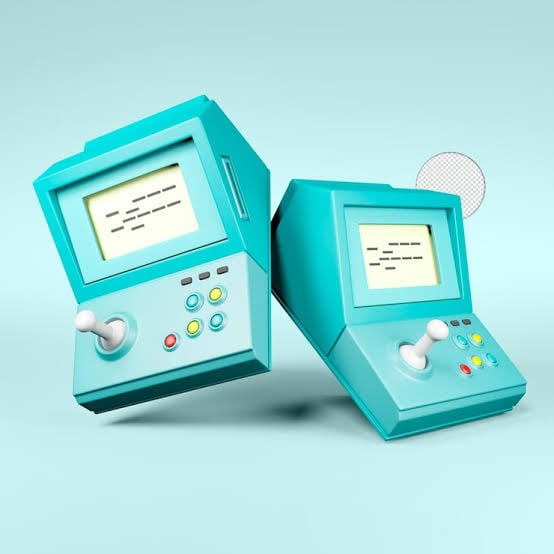
The gaming industry keeps pushing toward higher resolutions, faster frame rates, and bigger price tags, yet one of the most interesting trends of 2026 is happening at the opposite end of the spectrum. Millions of players are turning to small, affordable devices built to play the classics, and communities like R36 Handhelds show how quickly this space is growing. The retro handheld market is expanding faster than many analysts expected.
From pixel-perfect platformers to legendary role-playing adventures, old-school games are finding a fresh audience. The appeal goes beyond nostalgia. It comes down to convenience, affordability, and a return to gaming that is simply fun.
Why Retro Gaming Is Having a Moent
Classic games were built around tight controls, clever level design, and instant playability. There were no lengthy downloads, no mandatory updates, and no complicated online requirements. You picked up the controller and played, and today, devices from R36 Handhelds make it easy to relive that exact experience in your pocket.
That simplicity resonates with modern players who are short on time and tired of sprawling live-service titles. A twenty-minute session with a classic can feel more rewarding than an hour of grinding in a modern release.
Social media has also played a major role. Short-form videos, streamers, and gaming communities have introduced younger players to titles they never got to experience when they first came out. Combined with a growing interest in game preservation, retro gaming has become a mainstream conversation rather than a niche hobby.
The Rise of Affordable Portable Hardware
Advances in low-power processors and display technology have made it possible to build capable handhelds at very low prices. Today’s devices offer bright IPS screens, responsive controls, long battery life, and pocket-friendly designs that older portable systems could only dream of.
Most modern retro handhelds also run open, Linux-based operating systems. This gives users flexibility to customize interfaces, install themes, and tweak settings to their liking, something traditional consoles rarely allow. For newcomers, having a focused place to compare options makes entering the hobby far less intimidating.
What to Look for Before You Buy
Not every device is right for every player. Here are the factors that matter most:
Display quality. Pixel art looks best on a sharp, bright screen. Pay attention to size, resolution, and viewing angles.
Performance range. Some handhelds are ideal for 8-bit and 16-bit favorites, while more powerful models can handle early 3D-era titles. Match the hardware to the games you actually want to play.
Battery life. Several hours of play per charge is the standard to aim for, especially if you travel or commute.
Comfort and controls. A quality D-pad, well-placed buttons, and a comfortable grip make long sessions far more enjoyable.
Storage options. microSD card support lets you expand your library easily without replacing the device.
Community support. Active user communities offer guides, firmware updates, and troubleshooting help that can save you a lot of time.
Value That Is Hard to Ignore
Price is one of the strongest arguments for retro handhelds. High-end consoles and gaming PCs can cost hundreds or even thousands of dollars, while many portable retro devices cost a fraction of that. For casual players, it is an easy way to enjoy a huge range of games without a major investment.
They also fit modern lifestyles. There is no need for a television, a desk, or a dedicated gaming room. Whether you are waiting at an airport, relaxing at a café, or taking a short break at work, your library is always within reach.
A Thriving Global Community
Behind the hardware is a passionate community of collectors, modders, and fans. Forums, video channels, and social groups are full of setup guides, reviews, and recommendations. Beginners can learn from experienced users, and veterans continue to refine software and share discoveries. Joining these communities is one of the best ways to get the most out of your device and stay up to date with new releases.
Playing Responsibly
As the hobby grows, it is important to respect the creators behind these games. Players should use legally obtained software, such as backups of titles they personally own, and support official re-releases whenever possible. This helps keep the gaming ecosystem healthy and encourages publishers to continue preserving classic titles.
What the Future Holds
Industry watchers expect the retro handheld category to keep expanding. Improved hardware, better battery efficiency, and growing demand for portable entertainment all point in the same direction. Meanwhile, game preservation efforts and official re-releases are helping keep classic titles alive for future generations.
Final Thoughts
Retro handhelds prove that great gaming does not always require cutting-edge graphics or premium prices. They deliver nostalgia, portability, and pure gameplay in a compact package. Whether you are revisiting childhood favorites or discovering classics for the first time, a retro handheld offers an easy and affordable way to play anywhere.
As the market continues to grow, one thing is clear: the past of gaming still has plenty to offer the present.