Imagine a warm summer evening: your patio door stays wide open, soft garden breezes drift indoors, and mosquitoes stay locked outside. That is the quiet advantage of Retractable Fly Screens. This home upgrade delivers insect protection, fresh airflow and unobstructed views, then neatly disappears when unused. To cut straight to the point: Retractable Fly Screens are the most versatile, view‑friendly and low‑maintenance option for Door Screens and Patio Screens. Your core buying decisions revolve around mesh type, operation style and sizing, not whether retractable screens are worth your investment. In this guide, we break down how they function, the gap between door and patio screens, mesh selection and costly shopping mistakes. By the end, you will clearly understand what features to prioritize.
The Bottom Line: What You’re Actually Getting
Many people picture old, sagging fixed fly screens when they hear this term. Retractable systems work entirely differently. A slim cassette stores rolled mesh; you pull the mesh across openings for bug protection, and it retracts back into the housing when not needed. When fully retracted, the screen is nearly invisible. Interior design and home renovation industry resources classify this as discrete protection: fine mesh blocks insects while remaining transparent enough to preserve your outdoor view. It acts as a temporary barrier, never dominating your room aesthetic.
How a Retractable Screen Works (The Magic Behind the Mesh)
The core mechanism is simple, and understanding it helps you shop smarter. A retractable screen has four key components: a housing cassette to store rolled mesh, the protective mesh panel, guiding tracks, and a handle or motor for movement. Pull the mesh along the tracks and lock it on the opposite side. Release the handle, and spring tension rolls the mesh back into the cassette automatically. Since mesh stays protected inside the housing most of the time, it accumulates less dust and UV damage, lasting far longer than permanently exposed fixed screens.
Door Screens vs. Patio Screens: Key Differences
A screen’s purpose changes drastically based on the size and usage of your opening. Choosing the wrong variant is one of the priciest errors homeowners make.
Door Screens: Single and Double Openings
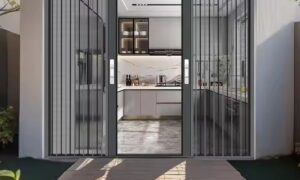
Door Screens are built for standard entry doors, side doors and French doors. Single doors use one pull panel, while double French doors use two panels that meet and lock in the center. These screens are engineered for heavy daily foot traffic: kids rushing through, pets darting outside and frequent trips carrying groceries. Smooth, reliable operation is the top priority for door screen systems. View Door Screens
Patio Screens: Large, Wide Openings
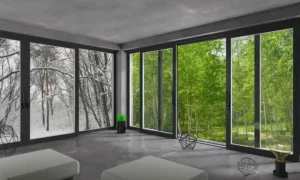
Patio Screens handle expansive openings, including sliding patio doors, bi‑fold walls and wide porch spaces. These panels can cover very large spans, so frames and tracks must be reinforced, and roller hardware must maintain smooth movement across wide widths. With a patio retractable screen, you can fully open your back wall to outdoor air without turning your living area into a bug zone. View Patio Screens
Why Retractable Outperforms Fixed Screens: The Invisible Upgrade
Fixed screens stay mounted year‑round. They work for insect blocking, but they permanently dim natural light and obscure your view, even during seasons with no bugs. Retractable screens solve this flaw. Leading interior design publications note that their ability to fully retract preserves your doorway’s original architectural lines. Unlike fixed screens that feel like an afterthought, retractable models blend seamlessly into your home decor.
Airflow, Light, and Unobstructed Views
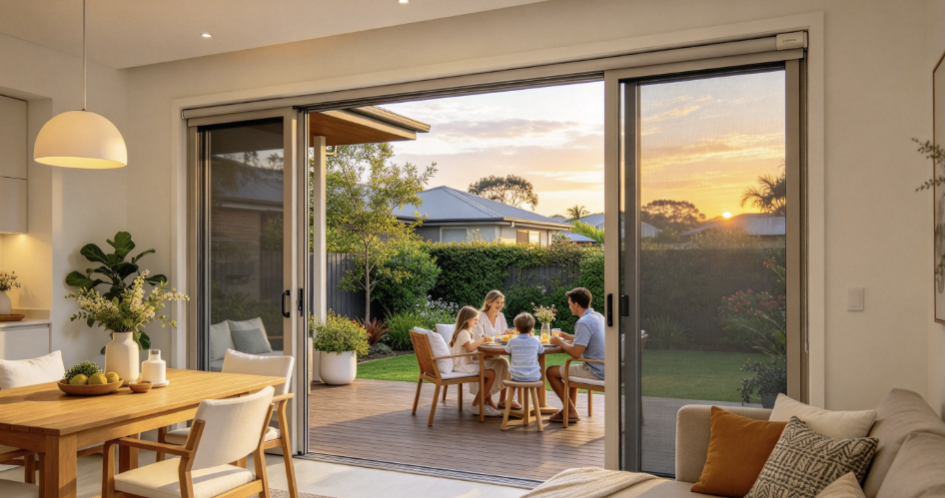
Fixed mesh creates a semi‑opaque barrier that sits between you and your yard nonstop. Retractable screens only exist when extended. When retracted, you get full light and an unbroken view. When pulled out, premium mesh maintains strong airflow and clear visibility while stopping pests. If you have grown frustrated peering at your garden view through grimy permanent mesh, this benefit alone makes retractable screens worth considering.
The Mesh Is the Star: Pick the Right Fabric for Your Lifestyle
Most buyers fixate on frames and hardware, yet mesh is the component that does the actual bug‑blocking work. Mesh is not universal; select your weave based on your home environment and daily habits.
Standard Fiberglass Mesh
This is the default, balanced option. Fiberglass mesh delivers solid insect protection, clear visibility and good airflow at a reasonable price. It works well for most households without special requirements. The main downside: heavy impact from pets or kids can gradually stretch fiberglass over time.
Pet‑Resistant Mesh
Households with cats or dogs should look at pet‑resistant mesh. Constructed from thick vinyl‑coated polyester, this weave resists tearing from claws and paws. It is slightly denser, trading minor airflow for outstanding durability. For pet owners, this mesh delivers priceless peace of mind.
Superfine / Midge Mesh
If you live near water or rural areas, tiny midges and gnats slip through standard mesh easily. Superfine midge mesh uses a tighter weave designed to trap these minuscule biting insects. Visibility and airflow reduce slightly, but this small trade eliminates the annoyance of tiny biting pests.
Pollen Mesh
Allergy sufferers benefit greatly from pollen mesh. Its electrostatic weave captures grass, tree and weed pollen particles. It turns your open doorway from an allergen entry point into a passive filter, letting fresh air circulate without triggering sneezing and itchy eyes.
Frame, Tracks and Roller Mechanism Basics
Mesh gets most attention, but frame and track materials determine long‑term performance. Reputable home improvement guides recommend aluminum frames and tracks for corrosion resistance and strength, especially in humid or coastal climates. Avoid cheap plastic housings; sunlight and weather warp plastic quickly. The roller spring tension must be balanced: weak tension causes sagging mesh, while over‑tensioned springs make the screen hard to pull. Seek systems with adjustable spring tension.
Manual vs. Motorized: Which Is Right For You
Manual screens rely on simple handle pulling, offering reliable performance and lower cost for regular doors. Motorized screens extend and retract with remote controls, wall switches or smartphone apps. Motorized units shine on large patio openings. Imagine holding a full tray of food and tapping a button to open your patio screen effortlessly. Motorized systems are widely used for porches, outdoor kitchens and extended living spaces.
Quick Decision Rule
For standard entry doors with frequent daily use, a high‑quality manual screen is usually sufficient. For wide patio openings or anyone wanting hands‑free convenience, motorized screens justify the extra investment.
Critical Measurements Before Ordering
Inaccurate measurements are the most common cause of costly ordering mistakes. Measure opening width and height at multiple points, as door and patio openings are rarely perfectly square. Note available mounting space, housing placement and door swing direction. Many manufacturers offer custom sizing for non‑standard openings. When unsure, professional measurement is a worthwhile investment; poorly fitted screens will flap or fail to close properly.
Common Mistakes to Avoid When Shopping
Keep these frequent pitfalls top of mind:
1. Selecting standard mesh for pet‑heavy or midge‑prone homes
2. Choosing overly dense mesh when you do not need extra particle protection
3. Using door‑rated hardware for oversized patio openings
4. Buying low‑grade plastic frames that warp outdoors
5. Picking fixed screens without considering how they block your view
6. Guessing measurements instead of properly recording opening dimensions
Avoid these missteps, and you will simplify your buying journey.
Simple Cleaning & Long‑Term Care
Retractable screens need minimal maintenance. Since mesh retracts into its housing, it collects far less dust than permanent screens. Use a soft brush or vacuum brush attachment for regular dust removal. For deeper cleaning, wipe mesh with mild soap and water using a soft cloth. Skip harsh chemicals or abrasive scrubbers that damage mesh coating. Wipe tracks occasionally to keep sliding smooth, and check spring tension annually. With basic care, premium screens will perform reliably for years.
Budget Expectations for Retractable Screens
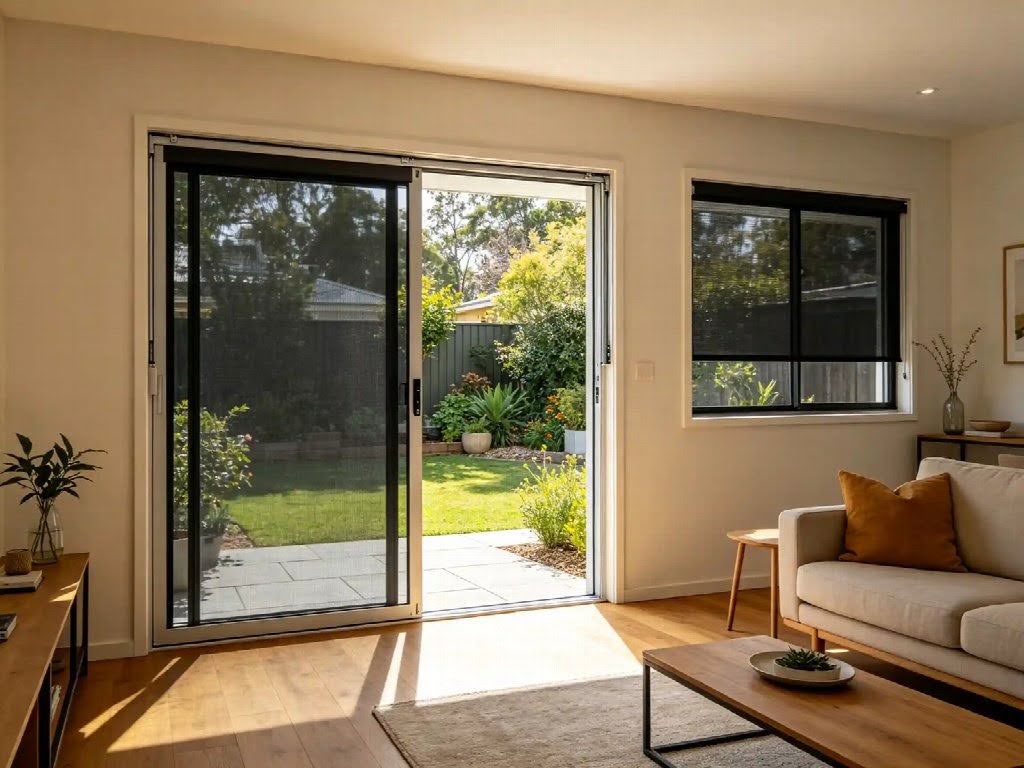
Retractable screens cost more than basic fixed alternatives. Final pricing depends on opening size, mesh grade and manual or motorized operation. Small single‑door screens sit at the lower end of the budget, while wide bi‑fold patio and motorized systems cost more. Think of this purchase as a home livability investment. The ability to enjoy open‑air living without pests and preserve unobstructed views creates lasting value. Request multiple quotes from trusted suppliers for your custom dimensions.
Final Thoughts
You now have the core knowledge to shop confidently for Retractable Fly Screens. Match your system to your opening type (door vs patio), pick mesh aligned with your household needs, decide between manual or motorized operation, measure carefully and steer clear of common shopping errors. A well‑chosen retractable screen transforms how you use your home: fresh air flows in, bugs stay out, and your view remains intact. Your next step is simple: measure your opening and consult a trusted supplier to design your ideal screen solution.
Ready to turn your doors and patios into bug‑free, view‑filled living spaces? Explore premium Retractable Fly Screens, Door Screens, and Patio Screens at retractscreens.com.au — where style, comfort, and protection roll together seamlessly.
Frequently Asked Questions (FAQ)
- Can retractable screens block tiny midges and gnats?
Yes, but only with the correct mesh. Standard fiberglass blocks mosquitoes and flies, while superfine midge mesh uses a tighter weave to stop minuscule biting insects, ideal for waterfront or rural homes. - Is a motorized screen worth extra cost?
Motorized screens are excellent for large patio openings or anyone wanting hands‑free operation. For frequently used standard doors, a well‑built manual screen works perfectly. - Does an extended retractable screen ruin my view?
Modern mesh balances visibility and insect protection, so your view stays clear when extended. Fully retracted, there is zero obstruction. - What is the typical lifespan of a retractable screen?
Quality screens last many years with basic maintenance. Retractable mesh stays protected inside the cassette when unused, avoiding constant UV and dust exposure that wears down fixed screens. Clean tracks and check spring tension once per year. - Can household pets tear retractable screen mesh?
Standard fiberglass mesh can tear from claws. Pet‑resistant polyester mesh is engineered to resist scratches and punctures, the best pick for cat and dog owners.