
Respiratory Disorders: Types, Causes, and Treatment Approaches

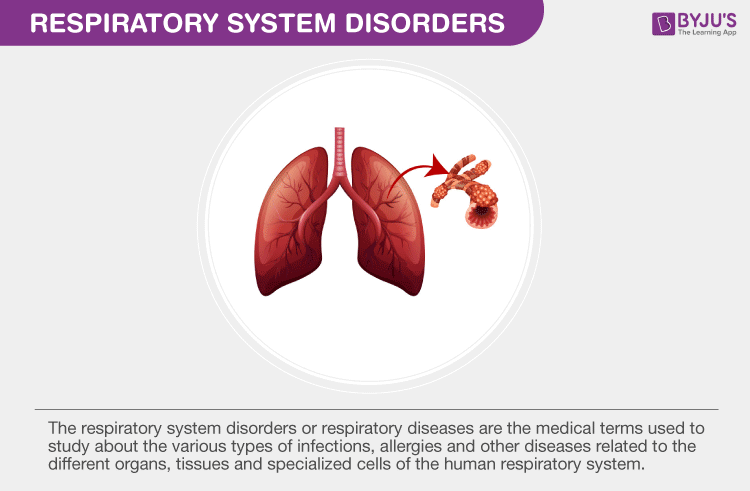
The respiratory system is responsible for one of the body’s most essential functions: bringing oxygen in and removing carbon dioxide out. When something disrupts this process, whether through infection, chronic disease, structural changes, or environmental exposure, it can significantly affect quality of life and, in severe cases, become life threatening. Some patients also explore complementary approaches through a Homeopathy Clinic alongside conventional treatment, though this should always be discussed with a primary care provider. This article provides an overview of common respiratory disorders, their causes, and the general approaches used to treat them.
What Are Respiratory Disorders?
Respiratory disorders are conditions that affect any part of the respiratory system, including the airways, lungs, and the muscles and structures that support breathing. These conditions can be acute, developing suddenly and often resolving with treatment, or chronic, meaning they persist over time and require ongoing management.
Common Types of Respiratory Disorders
Asthma
Asthma is a chronic condition in which the airways become inflamed and narrowed, often in response to triggers such as allergens, exercise, cold air, or respiratory infections. Symptoms include wheezing, shortness of breath, chest tightness, and coughing, which can range from mild to severe. Some patients also seek supportive care from an Ayurveda Hospital to complement their conventional asthma management.
Chronic Obstructive Pulmonary Disease (COPD)
COPD is a progressive condition that includes chronic bronchitis and emphysema, both of which involve long term damage to the airways and lungs. It’s most commonly associated with long term smoking, though other factors like air pollution and occupational exposure can also contribute. Symptoms typically include chronic cough, mucus production, and progressive shortness of breath.
Pneumonia
Pneumonia is an infection that inflames the air sacs in one or both lungs, which can fill with fluid or pus. It can be caused by bacteria, viruses, or fungi, and symptoms often include cough, fever, chills, and difficulty breathing. Severity can range from mild to serious, particularly in older adults, young children, or those with weakened immune systems.
Bronchitis
Bronchitis involves inflammation of the bronchial tubes, which carry air to and from the lungs. Acute bronchitis is often caused by a viral infection and typically resolves on its own, while chronic bronchitis, a form of COPD, involves long term inflammation and is often linked to smoking.
Bronchiectasis
Bronchiectasis is a chronic condition in which the airways become abnormally widened and scarred, often due to repeated infections or underlying conditions. This leads to a buildup of mucus, making patients more prone to recurring lung infections and requiring ongoing airway clearance and management.
Pulmonary Fibrosis
Pulmonary fibrosis involves scarring of lung tissue, which can make the lungs stiff and reduce their ability to expand and take in oxygen efficiently. The exact cause is often unknown, though it can be linked to environmental exposures, certain medications, or autoimmune conditions.
Sleep Apnea
Obstructive sleep apnea occurs when the airway becomes repeatedly blocked during sleep, leading to interrupted breathing and disrupted sleep patterns. It’s associated with symptoms like loud snoring, daytime fatigue, and, over time, increased risk of cardiovascular problems if left untreated.
Tuberculosis (TB)
Tuberculosis is a bacterial infection that primarily affects the lungs, though it can spread to other parts of the body. It’s spread through airborne droplets and can present as either latent (inactive) or active disease, with active TB requiring a structured, extended course of antibiotic treatment.
Lung Cancer
Lung cancer develops when abnormal cells grow uncontrollably in lung tissue. It’s strongly associated with smoking, though it can also occur in non-smokers due to genetic factors, environmental exposures, or other causes. Symptoms can include persistent cough, chest pain, and unexplained weight loss, though early stages often present with few or no symptoms.
Cystic Fibrosis
Cystic fibrosis is a genetic condition that causes the body to produce unusually thick, sticky mucus, which can clog the airways and lead to frequent lung infections. It’s typically diagnosed in childhood and requires lifelong, comprehensive management.
Common Causes and Risk Factors
Respiratory disorders can stem from a wide range of causes, including:
- Infections: Viral, bacterial, or fungal infections affecting the airways or lungs
- Smoking and tobacco use: A leading cause of chronic conditions like COPD and lung cancer
- Environmental and occupational exposure: Air pollution, chemical fumes, dust, and asbestos exposure
- Genetic factors: Conditions such as cystic fibrosis and certain forms of pulmonary fibrosis
- Allergens: Triggers for conditions like asthma, including pollen, dust mites, and pet dander
- Autoimmune conditions: Some respiratory disorders are linked to the immune system attacking healthy lung tissue
Diagnosing Respiratory Disorders
Diagnosis typically involves a combination of the following:
- Physical examination: Listening to the lungs and assessing breathing patterns
- Imaging: Chest X-rays and CT scans to evaluate lung structure and identify abnormalities
- Pulmonary function tests: Measuring how well the lungs move air in and out
- Blood tests: Checking for infection, inflammation, or oxygen levels
- Sputum analysis: Identifying infectious organisms or other abnormalities in mucus
- Bronchoscopy: A procedure using a thin scope to directly examine the airways and collect samples when needed
- Sleep studies: Used to diagnose sleep apnea by monitoring breathing patterns during sleep
Treatment Approaches
Treatment for respiratory disorders varies widely depending on the specific condition, but common approaches include:
Medications
- Bronchodilators: Help relax and open the airways
- Inhaled or oral corticosteroids: Reduce inflammation in the airways
- Antibiotics or antivirals: Used to treat bacterial or viral infections
- Mucolytics: Help thin mucus to support easier clearance
Airway Clearance Techniques
For conditions involving excess mucus, such as bronchiectasis or cystic fibrosis, techniques like chest physiotherapy, oscillating devices, and specific breathing exercises can help clear the airways.
Oxygen Therapy
For patients with low blood oxygen levels due to chronic conditions like COPD or pulmonary fibrosis, supplemental oxygen may be used to support daily functioning and overall health.
Pulmonary Rehabilitation
A structured program combining exercise, education, and breathing techniques designed to improve lung function and overall quality of life for patients with chronic respiratory conditions.
CPAP and Sleep Apnea Devices
Continuous positive airway pressure (CPAP) machines are commonly used to keep the airway open during sleep for patients with obstructive sleep apnea.
Surgical Interventions
In certain cases, such as advanced lung cancer, severe bronchiectasis, or end-stage lung disease, surgical options including lung resection or lung transplantation may be considered.
Living with a Chronic Respiratory Disorder
For those managing a chronic respiratory condition, long term care often includes:
- Regular follow-up appointments to monitor lung function
- Vaccinations, such as flu and pneumonia vaccines, to reduce infection risk
- Avoiding respiratory irritants, including smoking and secondhand smoke
- Maintaining a healthy weight and staying physically active within individual limits
- Managing other health conditions that can affect respiratory function, such as heart disease or diabetes
- Some patients choose to consult a Homeopathy Clinic as part of a broader, integrative approach to managing chronic symptoms, alongside conventional care
When to Seek Medical Attention
Certain symptoms warrant prompt medical evaluation, including:
- Sudden or severe shortness of breath
- Chest pain
- Coughing up blood
- Bluish tint to the lips or fingertips, which can indicate low oxygen levels
- High fever accompanied by difficulty breathing
- Symptoms that worsen despite treatment
Final Thoughts
Respiratory disorders range widely in cause, severity, and long term impact, from short term infections to chronic, lifelong conditions. Because symptoms can sometimes overlap between different respiratory conditions, an accurate diagnosis is an important first step toward effective treatment. Anyone experiencing persistent or concerning respiratory symptoms should consult a healthcare provider for a thorough evaluation and personalized treatment plan, whether that path involves conventional care, an Ayurveda Hospital, or a combination of both under proper medical guidance.







Comment