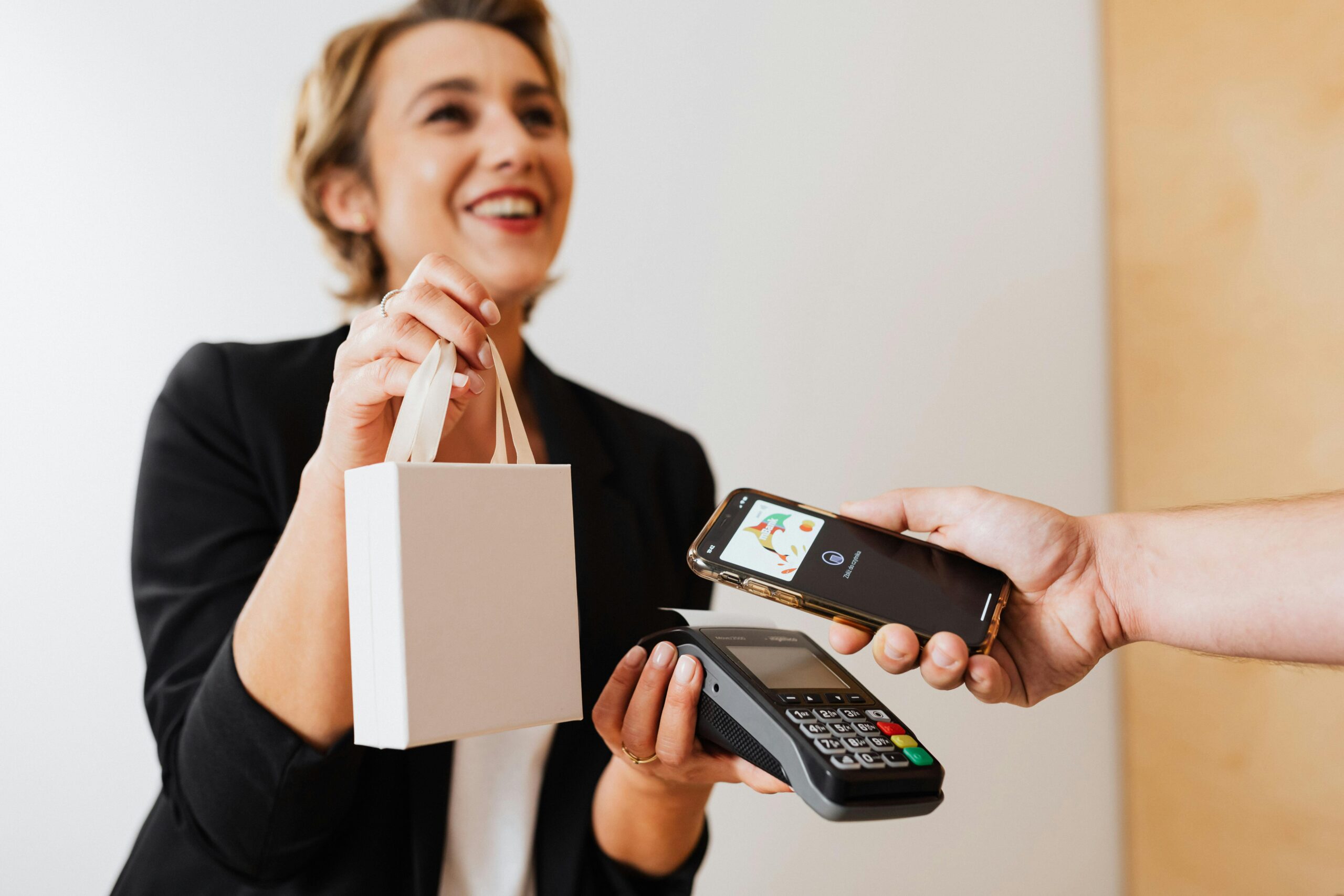
Getting paid on time is essential for businesses, freelancers, and even individuals managing shared expenses. In today’s digital-first world, manually chasing invoices or waiting for checks to arrive can slow down cash flow and create unnecessary stress. This is where the ability to request payment digitally has become a powerful and practical solution.
A payment request allows you to ask for money electronically using secure platforms such as email, payment links, mobile apps, or accounting software. Instead of sending paper invoices or making repeated follow-ups, you can send a clear, trackable request that lets the payer complete the transaction in just a few clicks.
What Does It Mean to Request Payment?
To request payment means sending a digital prompt that notifies someone they owe you money and provides an easy way to pay. These requests often include the amount due, a description of the product or service, a due date, and multiple payment options such as bank transfers, credit cards, or digital wallets.
Unlike traditional invoicing, modern payment requests are faster, more flexible, and easier to track. Many platforms notify you when the request is viewed, paid, or overdue, giving you better control over your receivables.
Benefits of Using Payment Requests
One of the biggest advantages is speed. Digital payment requests reduce delays caused by mailing invoices, writing checks, or manual approvals. Customers can pay instantly from their phone or computer, helping you receive funds sooner.
Another key benefit is convenience. Payment requests eliminate back-and-forth communication by clearly stating what is owed and how to pay. This improves the payer’s experience while saving you time.
Security is also a major factor. Reputable payment platforms use encryption, authentication, and fraud protection to keep transactions safe. This is far more secure than sharing bank details through email or handling paper checks.
Lastly, payment requests improve cash flow visibility. You can easily see which requests are pending, completed, or overdue, making it easier to forecast income and manage finances.
Who Can Use Payment Requests?
Payment requests are useful for a wide range of users. Small businesses can collect payments from customers without investing in complex billing systems. Freelancers and consultants can send quick requests after completing a project. Landlords can collect rent, and service providers can charge for recurring services.
Even individuals benefit from this method. Friends splitting bills, roommates sharing expenses, or parents collecting fees for group activities can all use payment requests to simplify transactions.
Common Ways to Request Payment
There are several methods available depending on the platform you use. Payment links are one of the most popular options. You send a link via email, text message, or messaging app, and the recipient pays through a secure page.
Invoices with embedded payment buttons are another effective approach. These combine professional billing with instant payment capabilities. Some systems also allow in-app or SMS-based payment requests, making the process even more accessible.
Many accounting and payment platforms integrate payment requests directly into their dashboards, automatically updating records once payment is received.
Best Practices for Successful Payment Requests
To increase the chances of fast payment, clarity is crucial. Always include a clear description of what the payment is for, the total amount, and the due date. Keeping the request simple and professional builds trust.
Timing also matters. Send the request as soon as the service is completed or the product is delivered. Polite reminders can be automated if payment is delayed, reducing awkward follow-ups.
Offering multiple payment options can further improve success rates, as it allows the payer to choose the method that works best for them.
Final Thoughts
The ability to request payment digitally has transformed how money moves between people and businesses. It saves time, reduces errors, improves cash flow, and creates a smoother experience for both parties. Whether you’re running a business or managing personal finances, adopting modern payment requests is a smart step toward faster, more efficient transactions.