Built on Solana, RH uses locking-based membership tiers and rule-based rewards to bootstrap ecosystems from first principles.
 In a landscape where many early-stage crypto projects still launch tokens before they have a working product or user base, Red Horse (RH) is taking a different path. The Solana-based protocol positions participation itself as the product, using on-chain locking to convert long-term commitment into a verifiable membership signal.
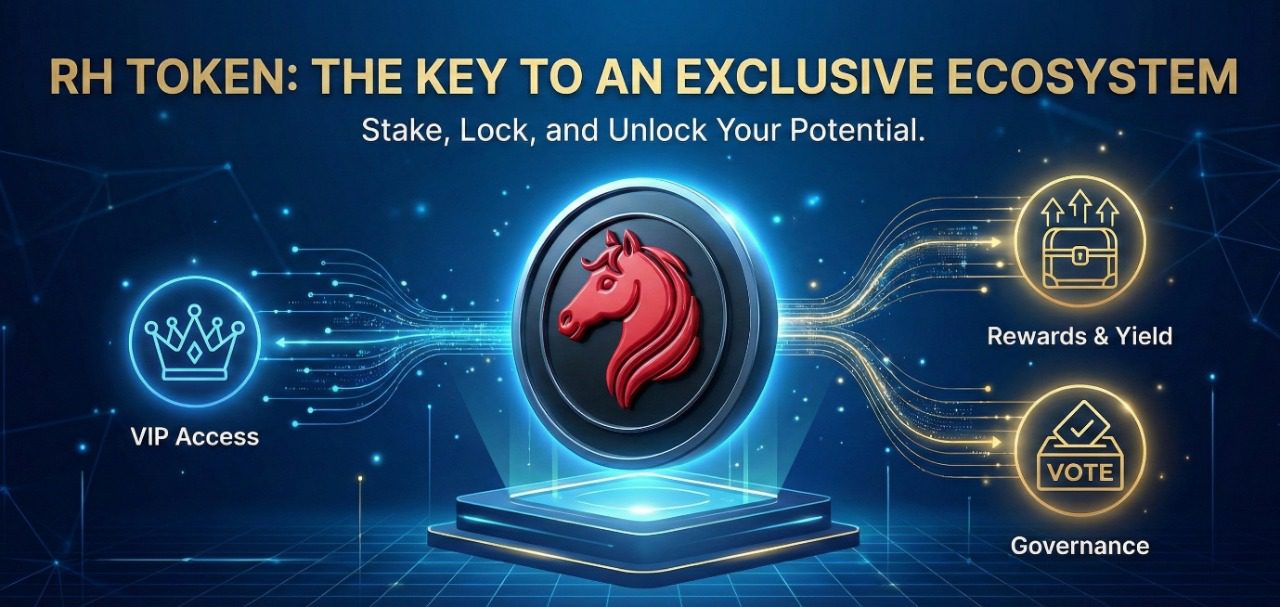
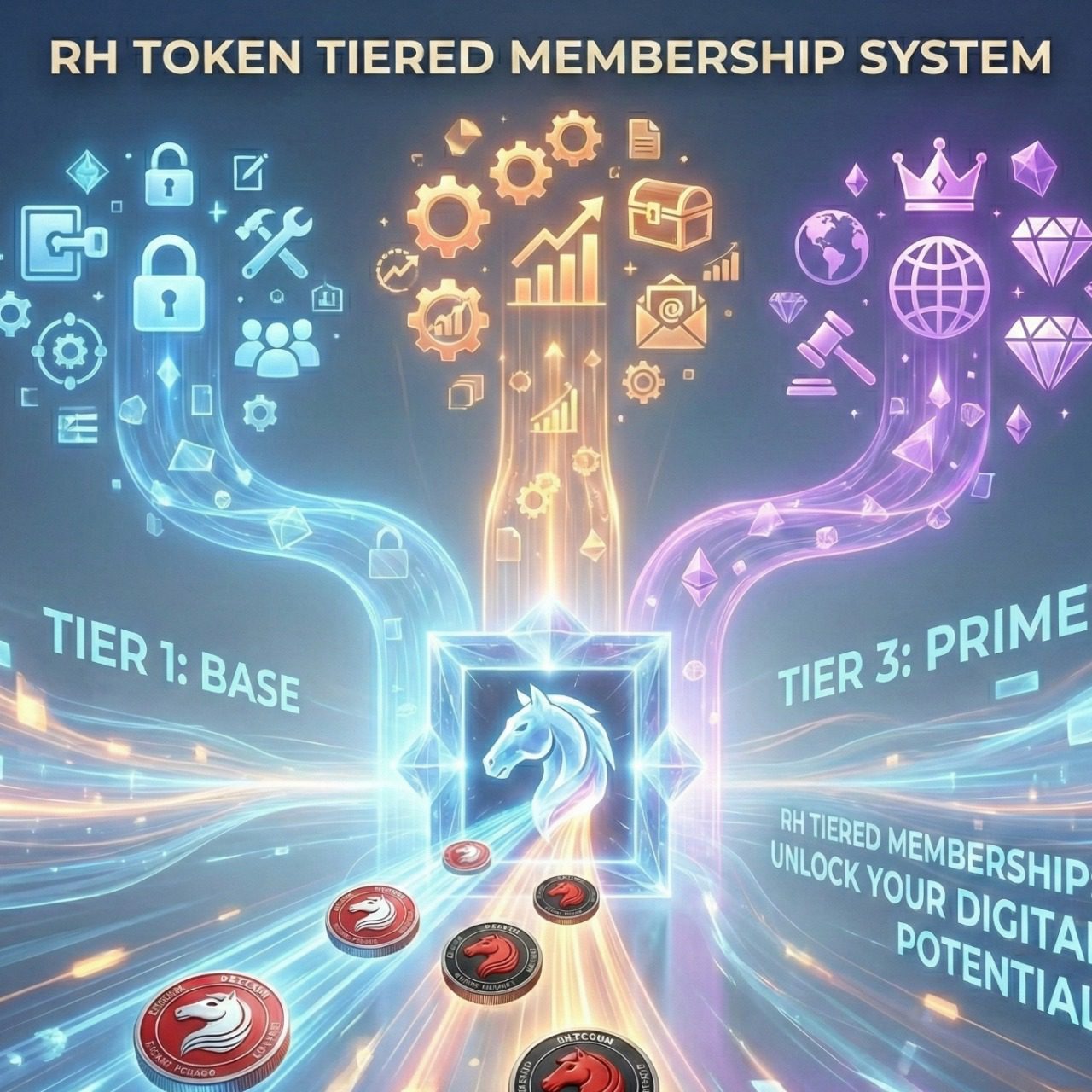
At its core, RH is an on-chain membership and rewards protocol. Users lock RH tokens into a non-custodial contract, and that locking state defines their membership tier. Tiers are not based on private, discretionary decisions, but on transparent on-chain data. Those tiers then determine access, priority, and reward weighting across community programs and ecosystem initiatives.
“Most projects get stuck in the same loop: there’s no ecosystem without meaningful participation, and there’s no participation without a credible reason to commit,” said , a core contributor at Red Horse. “RH flips that loop by treating commitment as the main primitive. If you show up and lock in, the protocol can recognize and reward that in a predictable way.”
Tokenomics designed for longevity
RH’s tokenomics are built to prioritize sustainability and operational realism rather than short-term hype. The RH token has a total supply of 10 billion, allocated as follows: 35% to the rewards program, 20% to ecosystem and partnerships, 15% to liquidity and market support, 15% to community growth and marketing, 10% to team and contributors, and 5% to the treasury and reserve. Structured vesting and lockups are designed to align incentives and reduce supply shocks over time. Red Horse
Rewards are emitted through epoch-based budgets and clearly scoped campaigns, with all parameters intended to be publicly disclosed. The protocol explicitly avoids promising specific yields or returns. Instead, emissions are framed as a coordination tool to recognize sustained participation, not as a profit mechanism.
Security, infrastructure, and composability
On the technical side, RH leverages Solana’s high throughput and low fees to support frequent snapshots and dynamic membership updates. The locking contracts are non-custodial and non-discretionary, while critical parameters and treasury actions are gated by multisig and, where applicable, timelocks. Snapshot rules are deterministic and verifiable, which helps minimize manipulation attempts around distribution events.
The membership primitive is intentionally simple and composable: downstream applications—from community campaigns to P2E-style seasonal events—can reference the same tiered membership state without requiring changes to the core protocol. RH can thus sit beneath multiple verticals as a shared “membership rail,” rather than tying its fate to a single flagship app.
Roadmap and governance
RH’s roadmap focuses first on solidifying the locking foundation and token and listing readiness. Subsequent phases include formalizing bounded parameter ranges, publishing regular reports on epochs and rewards, and gradually expanding governance scopes so that more parameters can be updated through transparent processes rather than ad-hoc decisions.
“RH is not built around a promise of profit,” added. “It’s built around clear rules, verifiable participation, and a protocol-level commitment to transparency. If we get those right, the ecosystem can layer on content, games, and services over time.”
Readers can explore the protocol’s design in more detail via the RH whitepaper and the official website.