
QuantFarming on Why Retail Traders Should Build Their Own Algorithms Instead of Buying Signals

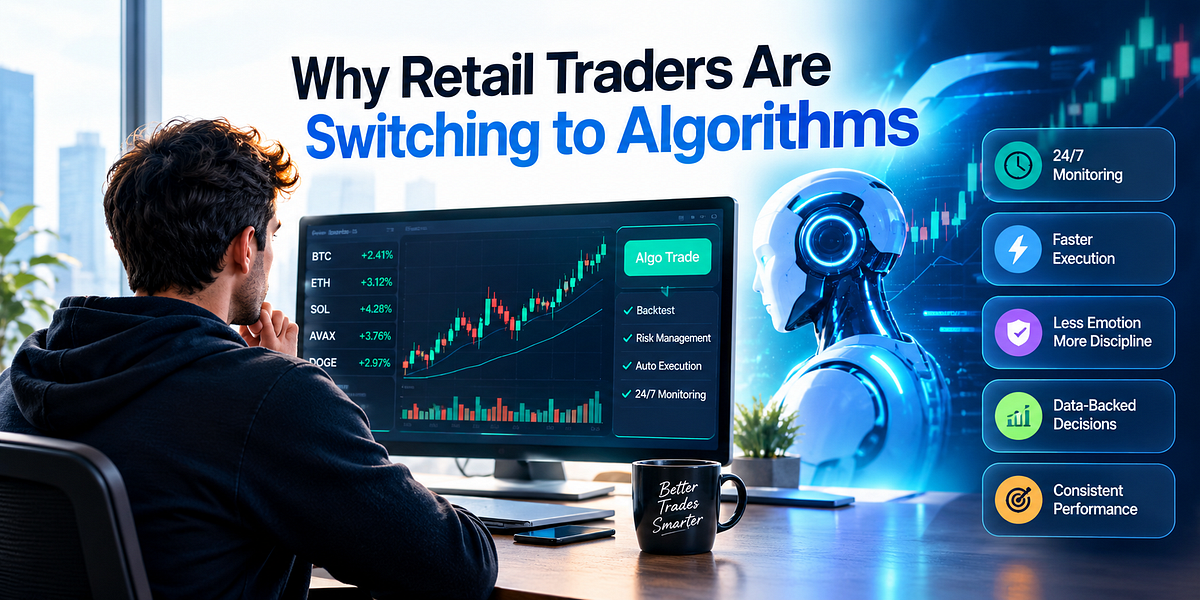
Financial markets have drastically shifted over the last decade. Retail investors, whether sitting in a bustling financial district or trading from a home setup in the Philippines, now access the exact same charting tools once reserved for institutional desks. Instead of manually staring at screens all day, many prefer automation. Leading the conversation on this shift, QuantFarming emphasizes that true independence comes from creating your own automated systems rather than renting someone else’s trade ideas.
The False Comfort of Purchased Trading Signals
Entering the automated space, beginners often feel tempted to just pay for signal services or connect their accounts to copy-trading bots. It definitely looks like a shortcut to passive income on the surface. However, blindly following someone else’s alerts removes you from the decision-making process. It leaves your capital entirely exposed to strategic shifts you never saw coming. Regulatory bodies frequently warn that relying on automated investment tools without understanding their underlying assumptions exposes your portfolio to unseen risks, especially when market volatility spikes. When paid signals start losing, you’re completely in the dark. You can’t tell if the strategy is broken or just hitting a standard dip, which usually leads to panic selling.
Understanding the Mechanics Behind the Screen
Purchasing a monthly signal subscription basically means buying a black-box product. You never get a peek at the actual code, the specific technical indicators, or the fundamental data points triggering the buy and sell orders. This total lack of transparency becomes incredibly dangerous because financial markets are living ecosystems. They constantly shift between tight consolidation and aggressive trending phases without much warning. A strategy that printed money during a roaring bull market might rely on a highly risky grid system. Once the trend reverses, that same logic will wipe out a retail account in hours. Building your own algorithm strips away this dangerous opacity. You know the exact reason a trade executed, letting you calmly review the data instead of reacting emotionally to a red screen.
Building Your Own Logic from the Ground Up
Taking genuine ownership of your trading journey requires you to stop consuming and start creating. Writing your own logic forces you to figure out what actually makes a valid trading setup. You can’t just code “oversold momentum” or “strong support.” You have to define the exact, rigid mathematical conditions that justify risking your money. As QuantFarming frequently highlights in industry discussions, the process of quantifying your edge serves as the ultimate educational experience. It ruthlessly exposes the flaws in emotional, discretionary thinking and replaces them with objective rules you can actually test. Even if your first few algorithms only break even, the structural knowledge you pick up along the way pays dividends far beyond what you’d spend on a signal service.
Escaping the Endless Cycle of Monthly Subscriptions
Leaning on external alerts keeps you trapped in a cycle of recurring expenses. These fees slowly drain your equity before you even take your first trade of the month. Too many retail traders just bounce from one signal provider to the next, constantly searching for the holy grail while burning cash on monthly memberships. That capital serves a much better purpose funding a live account to forward-test your proprietary models. When you invest the hours into learning how to build strategies, you create a permanent asset. Your algorithms belong to you forever. You don’t have to worry about sudden subscription price hikes, canceled services, or the anxiety that your provider might just abandon their platform and leave you stranded.
Leveraging Personal Insights Over Generic Strategies
Every trader has a way of looking at the charts. You could see changes in how prices move during the Asian session or certain times of the day when usual computer programs don’t pay attention. When a lot of people use the automated program, the strategy stops working because everyone is entering at the same time and the results are not good. Building your system helps protect your advantage. It gives you the chance to trade situations that most people don’t notice, making sure your strategy stays successful.
Overcoming the Technical Hurdles of Coding
A few years ago, the barrier to entry for algorithmic trading was brutally high. You needed a solid background in computer science and an expensive, multi-monitor hardware setup. Today, that old narrative is dead. The retail industry now features intuitive platforms offering drag-and-drop logic builders and robust backtesting engines. You no longer need a computer science degree to build trading systems. Python is the industry standard today, backed by countless free tools and active developer forums. With just a standard laptop, you can easily code, test, and run a bot on the cloud from anywhere. The technical barriers are gone—it just takes a bit of dedication.
Conclusion
At the end of the day, buying trade alerts is like using a crutch. It keeps you from building market competence. When you take the time to create and improve your algorithmic strategies, you get full transparency. You also stay within your risk limits at all times. This approach gives you a skill set that can adjust when market conditions shift. The early stage may require patience and effort. Going this independent route is the only way to reach lasting long-term success.







Comment