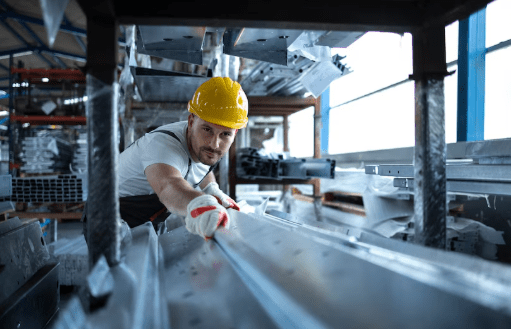
Modern manufacturing is evolving fast. Industries face tighter tolerances, faster delivery expectations, and greater complexity than ever before. This trend puts pressure on every part of the production chain, especially on components that form larger systems. Without precise, consistent, and reliable parts, even the most advanced machines cannot perform optimally.
Precision components are not just pieces of metal or simple parts. They are the foundation of performance. Whether in heavy equipment, robotics, or high-speed automation, components must fit perfectly and perform predictably. When these parts fail, it affects the entire system — leading to downtime, increased costs, and lost productivity.
The Core Role of Precision Components in Industrial Systems
Precision components play a central role in systems that require exact alignment, minimal wear, and tight tolerances. These parts enable machines to operate efficiently and repeatably. When components meet strict specifications, they:
- Reduce system vibration
- Improve operational accuracy
- Extend service life
One company that consistently delivers on these demands is Texmo Blank. As a precision engineering brand, they focus on producing parts that meet rigorous standards for quality and performance.
Texmo Blank
This focus on accuracy increases reliability and reduces the need for frequent replacement or adjustment. In industries where even slight deviations can lead to problems, precision components ensure smoother operation and greater system stability.
From Design to Delivery: Precision at Every Step
Precision is not accidental. It is the result of careful planning, controlled processes, and quality checks throughout production. In a competitive landscape, manufacturers must ensure that every component leaving their facility meets exact specifications.
The process begins with understanding the customer’s needs. Design intent, material requirements, and dimensional tolerances are all confirmed before production begins. This upfront clarity helps reduce errors and eliminates costly revisions later in the cycle.
Once production begins, consistent monitoring and inspection are central. Components are measured and evaluated using advanced tools to ensure accuracy at every stage. This discipline produces components that perform reliably in demanding applications.
Meeting the Needs of Diverse Industrial Sectors
Precision components are needed across many industries, including:
- Heavy equipment
- Aerospace
- Automotive
- Energy and utilities
- Material handling and automation
In each of these areas, precision matters. For example, in heavy equipment, components must withstand significant loads and stress. In automation, precision parts ensure that motion systems and assemblies move predictably and without interference.
Texmo Blank understands these differing needs. By producing parts that match engineered specifications, they help companies reduce waste, lower maintenance costs, and improve overall system resilience.
Consistency: A Key Advantage for Modern Manufacturing
Advanced manufacturing environments depend on consistency. High production volumes and repetitive cycles require parts that are interchangeable and reliable. When parts vary from batch to batch, the consequences can ripple through production lines, causing delays and quality problems.
By focusing on consistency, precision manufacturers help their customers maintain stable operations. Consistency also enables better planning. Production schedules become more predictable, inventory management improves, and overall system performance becomes easier to control.
This consistency extends to measurements and delivery reliability. Timely shipment of parts supports tighter production schedules and reduces the need for safety stock.
Material Integrity: Engineering for Performance
The choice of material is as important as dimensional precision. Components must be made from materials that match the demands of their environment. Different applications require different material properties — from high strength to corrosion resistance to thermal stability.
A precision engineering company evaluates material performance as part of the manufacturing process. By selecting materials that meet performance requirements, components last longer and perform more effectively in real-world conditions.
This approach supports not just operation but also long-term durability and life-cycle value. When parts are engineered with the right balance of material strength and functional performance, they support industrial systems with reliability and confidence.
Quality Assurance as a Strategic Advantage
Quality control is not an afterthought — it is central to precision manufacturing. Inspection techniques, measurement tools, and verification processes ensure that every batch meets established criteria. This attention to detail enables the detection of issues before they become problems.
In advanced industrial systems, even minor deviations can have significant impacts. Quality assurance protects manufacturers from:
- Increased inspection costs
- Rework and rejection
- On-site failures and warranty claims
By delivering components that pass rigorous quality criteria, companies like Texmo Blank help their customers minimise risk and maintain continuous operations.
Supporting Efficiency Without Adding Complexity
Precision components help industries improve efficiency without increasing system complexity. Well-manufactured parts fit easily into assemblies. They reduce the need for adjustments and minimise downtime during installation.
Precision engineering also supports lean manufacturing principles by eliminating waste and reducing non-value-added activities. When parts arrive ready to install, assembly lines operate smoothly, labour is used more effectively, and production goals are easier to meet.
Sustainability Through Precision and Efficiency
Sustainability is increasingly part of manufacturing decision-making. Reducing material waste, minimising rework, and increasing product life all contribute to more responsible production practices.
Precision manufacturing supports sustainability by:
- Reducing scrap and material loss
- Improving part longevity
- Supporting efficient use of resources
These practices align with broader industry goals to reduce environmental impact while still meeting performance and quality expectations.
Training and Skills in a Precision-Focused Environment
While machinery and measurement tools are essential, people remain at the heart of precision production. Skilled technicians and engineers ensure that manufacturing systems are calibrated, processes are optimized, and quality standards are upheld.
Companies that invest in training and development see benefits such as improved problem-solving, better process control, and higher overall product quality. This investment in human capital complements advanced tools and strengthens the manufacturing culture.
Looking Ahead: Precision as a Competitive Differentiator
The future of industrial performance depends on precision at every level. As manufacturing systems become more sophisticated, the demand for accurate, reliable components continues to grow. Precision machining, controlled processes, and a deep commitment to quality position suppliers to support this evolving demand.
In a competitive global market, companies that deliver consistent, reliable parts offer real value. They help their customers innovate, reduce operating risk, and adapt to changing requirements with confidence.
Conclusion: Precision Engineering as a Strategic Asset
Precision manufacturing is not simply a technical requirement — it is a strategic advantage. It impacts performance, reliability, system integration, and operational efficiency across industries. When components are produced with exacting standards and consistent quality, the entire manufacturing ecosystem benefits.
Manufacturers need partners who understand these demands and deliver parts that support system stability and long-term performance. Texmo Blank represents this commitment through disciplined production processes, material expertise, and a proven focus on precision at the component level.
In a world where industrial systems face increasing complexity and demand, precision becomes not just a requirement but a difference-maker. Companies that align with precision engineering partners position themselves for improved reliability, reduced risk, and sustained growth in a competitive landscape.