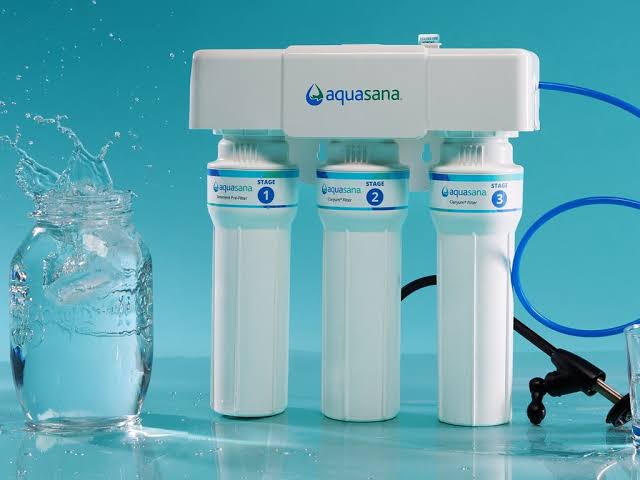
Access to a suitable water supply is an important consideration when travelling, spending time outdoors or staying in a property away from conventional mains services. In these situations, a portable water filtration system can provide a flexible way to treat water without relying on a permanent whole-property installation.
Portable filtration can be relevant to a wide range of situations, from camping and mobile accommodation to boats, temporary properties and remote living. However, portability should not be the only factor considered when choosing equipment. Water source, filtration technology, capacity, pressure and maintenance can all influence whether a particular system is appropriate.
Why Consider Portable Water Filtration?
Permanent water treatment systems are not practical for every situation. Someone travelling between locations, living temporarily in a mobile property or managing a remote building may need equipment that can work within changing circumstances.
Portable filtration systems can offer greater flexibility because they are not necessarily tied to one fixed plumbing installation. This can make them useful for people who move between locations or need a treatment solution for a temporary setup.
They can also be relevant when a property has limited space. A small mobile home, campervan or boat may not have room for a conventional treatment installation, making compact equipment easier to accommodate.
The important point is to match the filtration method to the water rather than choosing a system simply because it is easy to transport.
Where Might Portable Systems Be Used?
Portable water filtration has applications across several types of travel and independent living.
Outdoor enthusiasts may consider filtration when travelling away from conventional water infrastructure. Owners of motorhomes and caravans may also need to manage water differently from people living in permanent homes.
Boats and other mobile accommodation can have their own storage tanks and plumbing arrangements, creating different requirements for water treatment.
Portable filtration can also be useful for remote properties where a permanent treatment installation is impractical or where flexibility is important.
Each situation has different requirements, however. A system designed for occasional outdoor use may not be suitable for continuous domestic demand. Checking the equipment’s intended application is therefore essential.
Start With the Water Source
Before choosing a portable filter, identify where the water will come from.
A treated mains supply is different from water collected from a natural source. Rivers, streams, springs, boreholes and stored water can all have different characteristics.
Where water comes from a private or uncertain source, testing can help establish what treatment may be required. It is important not to assume that a portable filter will address every potential water-quality issue.
The filtration technology needs to be matched to the substances or particles that need to be reduced. Some systems focus primarily on sediment, while membrane-based technologies can provide a more selective filtration process.
Understanding the source is therefore the foundation of choosing suitable equipment.
How Membrane Filtration Can Help
Membrane filtration is one technology that can be incorporated into water treatment systems intended for mobile or independent applications.
A membrane acts as a selective barrier. Water is passed through the membrane under suitable conditions, while certain substances are retained according to the membrane’s characteristics.
Different membrane technologies operate at different levels of filtration. Microfiltration, ultrafiltration, nanofiltration and reverse osmosis are examples, each with different characteristics and applications.
This variety means that “membrane filter” is not a description of one universal type of equipment. The exact membrane, pressure requirements and treatment capabilities should always be checked against the intended use.
For mobile applications, the overall system also needs to work within the available space, water pressure and power arrangements.
Capacity Matters When You Are Away From Home
Portable equipment may be compact, but that does not mean every compact system has the same capacity.
Consider how much water will be required each day. Someone travelling alone for short periods will have different requirements from a family spending several weeks in a motorhome.
Peak usage is also worth considering. Drinking, cooking, washing and other activities can increase demand, depending on how the equipment is being used.
If the system has a specified flow rate, compare this with the expected demand. A system that works well for occasional use may not be appropriate for continuous high-volume requirements.
Pressure and Power Requirements
Portable water treatment equipment may require a particular level of water pressure to operate effectively.
This is especially relevant in mobile properties, where water may be supplied by a pump rather than directly from a mains connection. The pressure available from the pump should be checked against the requirements of the filtration system.
Power is another consideration. Some portable setups may operate without significant electrical requirements, while others can include pumps or additional equipment.
For people using solar panels, batteries or other independent power sources, energy consumption may need to be considered as part of the overall system design.
Storage and Transport
A portable system should also be practical to handle.
Think about where it will be stored when not in use and whether it needs protection during transport. Equipment that is moved regularly may experience more handling than a permanent household installation.
Connections and fittings should be checked for compatibility with the water supply being used. It is also sensible to understand how the system should be drained, cleaned or stored between periods of use.
Following the manufacturer’s instructions can help prevent avoidable problems when equipment is transported or placed into storage.
Maintenance While Travelling
Maintenance can be more challenging when you are away from home.
Filter cartridges may need replacement, while some membrane systems may require cleaning or other servicing. Before travelling, users should understand the expected maintenance schedule and make sure suitable replacement components are available.
This is particularly important for longer journeys or trips to remote locations where replacement parts may not be easy to obtain.
Keeping track of filter usage can also help prevent maintenance from being forgotten during a busy trip.
When Portable Filtration Is Not Enough
Portable filtration can be useful, but it should not automatically be regarded as a complete water treatment solution.
The appropriate treatment depends on the source and quality of the water. Filtration may address certain physical or dissolved substances depending on the technology, while other treatment methods are designed for different purposes.
Ultraviolet treatment, for example, uses UV-C radiation rather than a physical membrane. For people researching different treatment technologies, LED UV water treatment can be considered where ultraviolet disinfection is appropriate to the application.
In some circumstances, multiple treatment stages may be used together. The correct combination should be determined by the characteristics of the water and the requirements of the system.
Choosing the Right Portable System
When comparing portable filtration equipment, consider more than its size.
Ask what type of water it is designed to treat, what filtration technology it uses and how much water it can process. Check pressure and power requirements, particularly if the system will be installed in a motorhome, boat or remote property.
Maintenance is equally important. Find out how often filters or membranes need attention and whether replacement parts are readily available.
Finally, think about how the system will fit into everyday use. The best-designed equipment is of limited practical value if it is difficult to transport, install, operate or maintain.
Conclusion
Portable water filtration systems can provide a flexible option for people who need water treatment away from a conventional fixed installation. Their potential applications include travel, outdoor activities, mobile accommodation and remote properties.
Choosing the right system requires careful consideration of the water source, filtration technology, capacity, pressure, power and maintenance. A compact design is useful, but it should still be capable of meeting the requirements of the intended application.
By understanding the water that needs to be treated and comparing systems according to their actual specifications, travellers and remote-property owners can select a filtration approach that fits their circumstances while avoiding unrealistic expectations about what any single treatment technology can achieve.