
Portable RV Water Filter for Camping and Outdoor Adventures

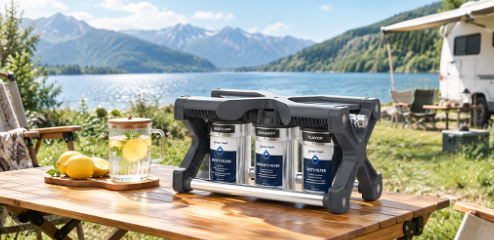
Camping and outdoor adventures offer an excellent opportunity to explore nature, discover new destinations, and enjoy a break from everyday routines. Whether you are traveling in a recreational vehicle (RV), spending a weekend at a campground, or exploring remote outdoor locations, access to clean and good-tasting water is essential. A portable RV water filter can make your journey more convenient by helping improve water quality and reducing certain unwanted substances. With the right filtration equipment, you can enjoy greater convenience while preparing meals, filling drinking bottles, and completing everyday tasks during your adventures.
Choosing a reliable portable filtration solution is particularly useful for travelers who frequently move between campgrounds and different water sources. Understanding how these systems work and what features to consider can help you select an option that suits your outdoor lifestyle.
Why Portable Water Filtration Matters for Camping
Water quality can vary significantly between campgrounds, public water connections, and freshwater filling stations. Although many supplies are treated, factors such as plumbing conditions, sediment, and chlorine can affect water taste, odor, and appearance. For outdoor enthusiasts, these differences can make drinking and cooking less enjoyable.
A portable filtration system provides an additional treatment step that can help address specific water-quality concerns. Depending on its design, it may reduce sediment, chlorine taste, and other substances identified by the manufacturer. Its compact construction also makes it easier to transport and use during different types of trips.
For RV owners, portability is especially valuable because equipment needs to be easy to connect, disconnect, and store. A suitable system can simplify water management without taking up excessive storage space or making campground setup unnecessarily complicated.
How a Portable RV Water Filter Works
An rv water filter uses specialized materials to capture or reduce particular impurities as water passes through the filtration system. The results depend on the filter media, design, and contaminants the product is intended to address.
Sediment filters help capture suspended particles such as sand, dirt, and rust. Activated carbon filters can reduce chlorine taste and odor, making water more pleasant for drinking and cooking. Some advanced systems combine multiple filtration stages to address different water-quality concerns.
Portable filters are available in several designs, including inline filters that attach to a water hose and compact multi-stage systems with replaceable cartridges. Inline models are generally convenient for occasional campers, while multi-stage options may offer additional filtration capabilities for frequent travelers.
It is important to understand that not every filter removes bacteria, viruses, or all chemical contaminants. Always review the manufacturer’s specifications and applicable certifications before choosing a product for a particular water source.
Choosing the Right Portable RV Water Filtration System
Selecting the right rv water filtration system depends on your travel habits, water usage, and preferred level of filtration. A practical system should provide suitable performance while remaining easy to transport, install, and maintain.
Consider Portability and Design
When camping, compact equipment can make a significant difference. Look for a lightweight system that fits comfortably in your RV storage compartment and connects easily to compatible water hoses. Durable housing and secure fittings can also help reduce the risk of leaks during regular use.
If you frequently move between destinations, a straightforward installation process can save time at each campsite. Before purchasing, check the connection sizes and pressure requirements to ensure compatibility with your RV’s water supply.
Evaluate Filtration Performance
Different filters are designed for different purposes. Some primarily improve taste and odor, while others target additional contaminants. Review the product specifications carefully and look for independent certifications that support the manufacturer’s performance claims.
Water flow rate is another important consideration. A filter that restricts flow excessively may make washing dishes, filling containers, or showering inconvenient. Choosing an appropriate balance between filtration performance and water flow can improve your overall camping experience.
Check Cartridge Availability and Maintenance
Portable filtration equipment should be easy to maintain during extended trips. Check how often cartridges need replacement and whether replacement filters are readily available. Following the manufacturer’s recommended replacement schedule helps maintain performance and prevents unnecessary reductions in water flow.
Benefits of Portable Water Filtration for Outdoor Adventures
One of the main benefits of portable filtration is improved water taste and odor. Reducing chlorine and certain unwanted compounds can make drinking water more enjoyable, particularly when preparing coffee, tea, and meals at a campsite.
Another advantage is convenience. Having a suitable filter available can reduce reliance on bottled water when the source is appropriate for the selected treatment system. This may save storage space and help reduce plastic waste during longer journeys.
A portable system can also support better water management by reducing sediment entering compatible RV plumbing components. However, filtration does not eliminate every cause of plumbing problems or replace regular cleaning and freshwater tank sanitization.
For outdoor enthusiasts who enjoy exploring different destinations, portability makes it easier to bring familiar water treatment equipment along for the journey. Nevertheless, unfamiliar or potentially contaminated sources require appropriate treatment based on the specific risks involved.
Maintaining Your Portable RV Water Filter
Regular maintenance helps keep filtration equipment working effectively. Inspect hoses, connections, and filter housings for leaks or damage before each trip. Use components designed for potable water and follow the manufacturer’s instructions for cleaning, cartridge replacement, and storage.
If the system will remain unused for an extended period, follow the recommended storage and preparation procedures before using it again. Protect the equipment from freezing temperatures because frozen water can damage housings and internal components.
Your RV’s freshwater tank and plumbing system should also be sanitized periodically according to the manufacturer’s guidelines. If a water source is suspected of contamination, do not assume that a standard carbon or sediment filter will make it safe to drink. Use an appropriate treatment method specifically designed for the identified hazard.
Conclusion
A portable RV water filter is a practical addition to camping equipment for travelers who want convenient access to better-tasting water. By helping reduce selected impurities, unpleasant odors, and sediment, the right filtration solution can make drinking, cooking, and everyday outdoor activities more enjoyable.
When choosing an RV water filtration system, consider portability, filtration performance, water flow, installation requirements, and long-term maintenance costs. Selecting suitable equipment and following proper water safety practices can help you enjoy more comfortable camping trips, explore new destinations with confidence, and make the most of every outdoor adventure.






Comment