The global retail industry is undergoing a structural transformation, driven by changing consumer behavior, digital acceleration, and the growing need for physical experiences that complement online journeys. At the center of this evolution, pop up shops have emerged as a strategic lever for brands seeking agility, visibility, and deeper customer engagement.
Pop up shop marketplaces, in particular, are redefining how brands approach omnichannel business models. By enabling flexible, short-term retail activations in premium locations, they bridge the gap between digital commerce and physical presence, creating immersive touchpoints that generate both data and demand.
This new retail paradigm is not about replacing permanent stores, but about enhancing the overall ecosystem through experimentation, storytelling, and measurable brand activation.
Retail Innovation in the Age of Omnichannel Commerce
Modern consumers move seamlessly between online and offline environments. They discover products on social media, research on e-commerce platforms, and increasingly expect physical experiences to deliver added value rather than pure transactions.
Retail innovation today is defined by integration. Physical retail must support digital objectives, from customer acquisition to content creation and CRM enrichment. Pop up stores offer an ideal format for this integration, allowing brands to test markets, launch collections, and engage communities without long-term commitments.
Pop up marketplaces amplify this value by aggregating demand and supply within curated ecosystems. Instead of isolated activations, brands become part of a dynamic retail network designed for speed, relevance, and omnichannel impact.
Why Pop Up Marketplaces Are Gaining Strategic Importance
Unlike traditional leasing models, pop up marketplaces operate with flexibility at their core. They provide brands with access to high-footfall locations, operational support, and data-driven insights, all within a limited timeframe.
Key strategic advantages include:
- Faster market entry with reduced financial risk
- High-impact brand storytelling in physical environments
- Direct consumer feedback and behavioral data
- Seamless alignment with digital marketing campaigns
- Scalable experimentation across multiple cities
By operating within a marketplace model, brands benefit from standardized processes while retaining creative freedom. This balance is critical in an era where speed to market often determines competitive advantage.
Experiential Retail as a Growth Engine
Experiential retail has shifted from a trend to a necessity. Consumers increasingly value moments, emotions, and authenticity over traditional transactional experiences. Pop up shops enable brands to design environments that reflect their identity, values, and community.
These spaces often function as hybrid platforms. They serve simultaneously as showrooms, content studios, event venues, and customer research hubs. When integrated into omnichannel strategies, they enhance digital performance rather than competing with it.
Pop up marketplaces support this model by offering brands a turnkey pathway to experiential retail, reducing operational complexity and enabling focus on creativity and engagement.
How xNomad Powers Pop Up Marketplaces Globally
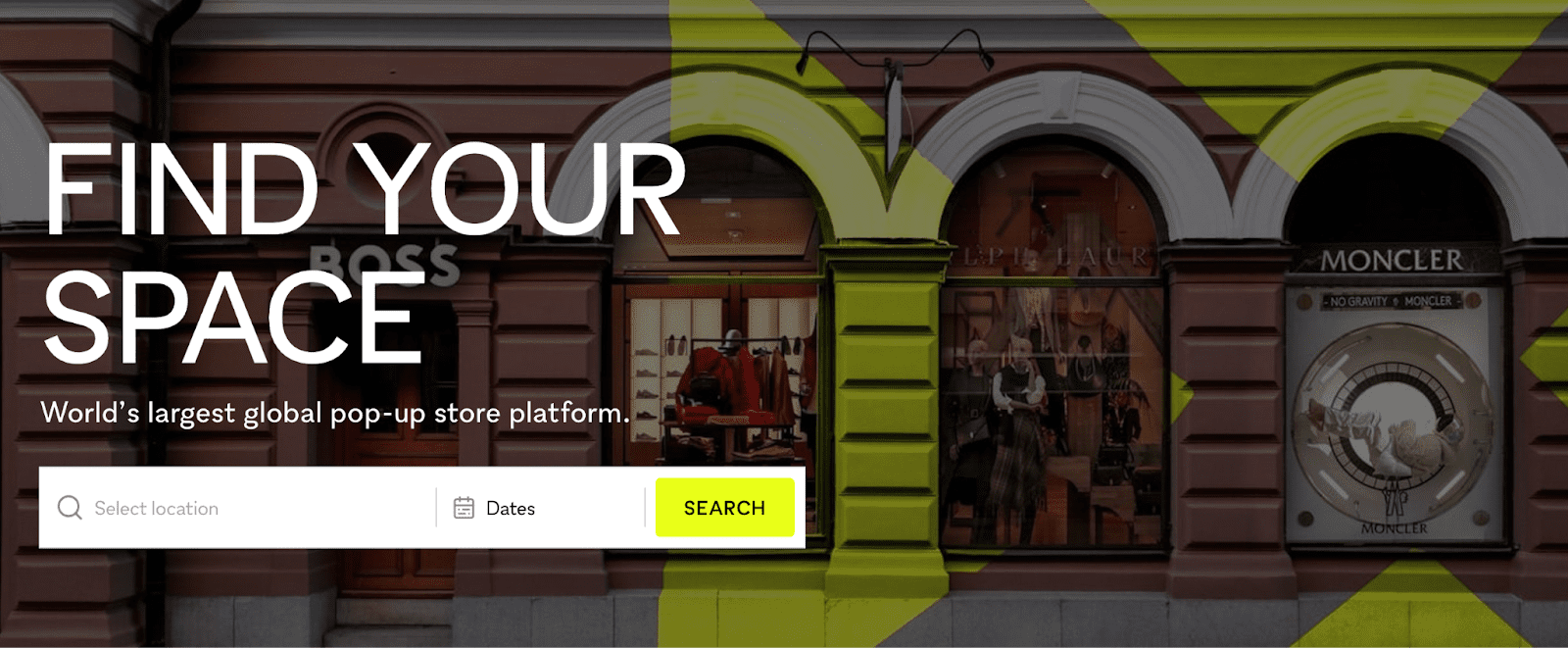
xNomad positions itself as an Airbnb for pop up shops, operating as both a marketplace and an agency. Its model enables brands to activate premium locations worldwide with speed and strategic clarity.
Through its global network across Europe, the USA, and China, xNomad supports brands at every stage of the pop up stores journey. From identifying the right location to managing on-the-ground execution, the platform integrates physical retail into broader omnichannel strategies.
Brands working with xNomad can seamlessly rent space in global cities through a single, centralized ecosystem. This approach allows for consistency, scalability, and measurable outcomes across multiple markets.
Rather than offering fragmented services, xNomad embeds retail activations within a holistic brand activation framework, ensuring that physical experiences contribute directly to marketing, sales, and data objectives.
Strategic Vision from Industry Leadership
The evolution of pop up marketplaces reflects a broader shift in how brands think about physical retail. As retail becomes more fluid and interconnected, leadership vision plays a critical role in shaping effective strategies.
According to Rohan Singh, Head of Marketing, “Physical retail is no longer about permanence, it is about relevance. Pop up shops allow brands to stay culturally connected while feeding omnichannel ecosystems with real-world data and authentic consumer interactions.” His perspective highlights the strategic importance of experiential formats in modern retail innovation.
Career Opportunities in the Pop Up Retail Ecosystem
The rise of pop up marketplaces is also reshaping career paths within retail, marketing, and operations. New roles are emerging at the intersection of physical experiences, data analytics, and digital growth.
Professionals interested in retail innovation often explore opportunities related to experiential marketing, project management, and omnichannel strategy. Platforms focused on careers and international mobility, such as those dedicated to global job discovery, play an increasing role for individuals finding jobs and other innovation-driven markets.
As the ecosystem expands, pop up shops and pop up stores are becoming learning environments where talent gains cross-functional exposure in fast-paced settings.
The Future of Pop Up Marketplaces and Omnichannel Retail
Looking ahead, pop up marketplaces are expected to become foundational components of omnichannel business models. Advances in data analytics, location intelligence, and consumer tracking will further enhance their strategic value.
Brands will increasingly use pop up stores not only for launches and visibility, but as recurring touchpoints within continuous customer journeys. Marketplaces that can integrate physical activations with digital performance metrics will define the next phase of retail innovation.
In this context, flexibility, speed, and experiential depth will remain the core drivers of success.
FAQ
What is a pop up marketplace in modern retail?
A pop up marketplace is a platform that enables brands to launch pop up shops and pop up stores in premium locations for short-term activations, supporting omnichannel strategies.
How do pop up shops support omnichannel business models?
Pop up shops create physical touchpoints that complement digital channels, driving engagement, data collection, and brand storytelling within integrated retail ecosystems.
Why are brands investing more in pop up stores?
Pop up stores allow brands to test markets, reduce risk, and deliver experiential retail formats that resonate with modern consumers.
How does xNomad support pop up marketplaces?
xNomad operates as a marketplace and agency, enabling brands to activate pop up shops globally with end-to-end strategic and operational support.
Are there career opportunities in pop up retail innovation?
Yes, the growth of pop up marketplaces is creating new roles in experiential marketing, retail operations, and omnichannel strategy, attracting talent worldwide.