In many industrial facilities, moving liquid is not as simple as turning on a pump. Automotive plants handle paints, oils, and solvents every day. Mining sites deal with slurry filled with sand and solid particles. Chemical factories transfer acids and reactive fluids. Wastewater plants move thick sludge that can clog ordinary systems in minutes.
Traditional electric pumps often struggle in these conditions. Seals wear out, parts corrode, and unexpected leaks can lead to downtime or safety risks. In high-volume operations, even a short shutdown can affect production schedules and increase costs.
This is where diaphragm pneumatic pumps play an important role. Powered by compressed air, they are built to handle abrasive, viscous, or hazardous fluids with fewer failure points. Their simple design and solid construction make them a dependable option in demanding environments.
Understanding how these pumps perform across industries helps operators choose equipment that works reliably, even under pressure.
What Are Diaphragm Pneumatic Pumps?
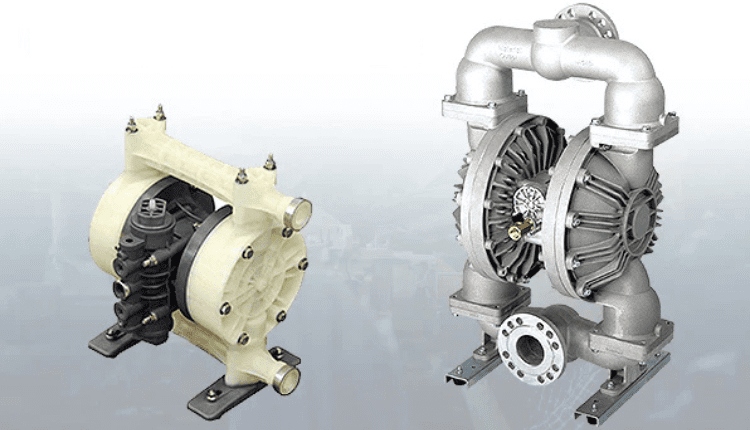
Diaphragm pneumatic pumps, often called air-operated double diaphragm pumps, work using compressed air instead of electricity. Inside the pump, two flexible diaphragms move back and forth. As compressed air enters one side, it pushes the diaphragm outward while the other side pulls fluid in. This repeated motion creates a steady flow.
Because they run on air, no electrical motor is required. That makes them useful in areas where sparks or electrical risks must be avoided. These pumps are also self-priming, which means they can start moving fluid without being manually filled first.
Another advantage is their ability to run dry for short periods without major damage. Many traditional pumps rely on constant lubrication from the fluid itself. Diaphragm pumps are more forgiving. They also handle solids, thick liquids, and abrasive materials better than many centrifugal designs.
Their simple structure is one reason they are widely used in demanding industrial settings. For facilities looking for industrial pneumatic pump solutions, there are options designed to meet a wide range of operational needs.
Why Industries Prefer Air-Operated Pumps
Plant supervisors often choose air-operated pumps for practical reasons:
- Safer in flammable or explosive environments
- Fewer rotating parts compared to motor-driven pumps
- Lower maintenance needs in many applications
- Flow rate can be adjusted easily by changing air pressure
In busy facilities, simplicity often means fewer unexpected problems. Air systems are already common in industrial plants, so integrating pneumatic pumps is usually straightforward.
Pneumatic Pumps for the Automotive Industry
Automotive manufacturing involves constant movement of liquids. From paint booths to engine assembly lines, fluid handling must be consistent and reliable. Pneumatic pumps for the automotive industry are commonly used in:
- Paint circulation and coating systems
- Transfer of lubricants and hydraulic oils
- Coolant movement in machining processes
- Parts washing and cleaning stations
In paint booths, consistent fluid flow is critical to maintain coating quality. Any interruption can affect finish thickness, color consistency, and drying performance. If a pump fails during production, an entire assembly line may slow down or stop, leading to costly delays.
Air-operated pumps are well suited for these environments because they reduce spark risks when handling flammable paints or solvents. Their sealed design also helps prevent leaks, which supports both safety and product quality.
For plant managers, the goal is simple: steady performance with minimal downtime. Pneumatic diaphragm systems help achieve that balance.
Pneumatic Pumps for Mining Operations
Mining operations push equipment to its limits. Slurry, abrasive particles, and harsh weather conditions are part of daily work. Pneumatic pumps for mining are often used for slurry transfer, tailings movement, and mine dewatering tasks.
These pumps handle fluids mixed with sand, rock fragments, and high solid content. Unlike some electric pumps, air-powered models can operate safely in remote areas where electrical systems may be unstable or risky.
Why Mining Is Tough on Pumps
Mining environments create several challenges:
- High levels of abrasive solids
- Corrosive groundwater and chemicals
- Rough handling and vibration
- Continuous operation with little downtime
To withstand these conditions, pumps are often built with durable materials such as stainless steel or reinforced plastics. The diaphragm design helps move thick slurry without the same clogging risks seen in other pump types.
In mining, reliability is not optional. Equipment must work in demanding conditions, often far from immediate repair support.
Pneumatic Pumps for Chemicals
Chemical processing requires careful fluid handling. Acids, solvents, and cleaning agents can quickly damage equipment if the wrong materials are used. Pneumatic pumps for chemicals are selected based on compatibility with the fluid being transferred.
Corrosion resistance is a key factor. Many diaphragm pumps are available with plastic bodies, such as polypropylene or PVDF, for aggressive chemicals. Metal versions, including stainless steel, are chosen when additional strength or pressure resistance is needed.
Leak prevention is another major concern. Even small spills can create safety risks and regulatory issues. The sealed diaphragm mechanism helps reduce leakage compared to some traditional pump designs.
Choosing the wrong material can cause pump damage and safety risks. Before installation, operators typically review:
- Chemical composition
- Temperature range
- Viscosity
- Required flow rate
When properly matched to the application, diaphragm pneumatic pumps provide dependable performance in chemical handling systems.
Pneumatic Pumps for Sludge and Wastewater Handling
Wastewater treatment plants and industrial facilities regularly move thick sludge through pipes, settling tanks, and filtration systems. This material is not easy to handle. It often contains suspended solids, organic waste, sand, and other heavy particles. In municipal and industrial settings, reliable sludge transfer is essential to keep treatment processes running smoothly.
Pneumatic pumps for sludge are commonly used in:
- Sludge transfer between settling tanks
- Moving waste to dewatering equipment
- Handling industrial byproducts with high viscosity
- Pumping thick residual material for disposal
Unlike some traditional pump designs that rely on high-speed rotating parts, diaphragm pumps move fluid using a steady back-and-forth motion. This makes them more capable of handling solids without severe clogging.
Why Sludge Is Difficult to Pump
Sludge creates several operational challenges:
- Thick, heavy consistency
- Presence of solid particles
- High risk of clogging
- Faster wear on internal components
The diaphragm design allows larger particles to pass through more easily. Because there are fewer tight clearances inside the pump, solids are less likely to jam the system. This makes pneumatic diaphragm pumps a practical choice in wastewater and sludge-heavy applications.
Choosing the Right Industrial Pneumatic Pump
Selecting the correct pump requires more than matching size and price. The operating conditions must guide the decision. Flow rate, fluid type, and system pressure all influence performance. For facilities looking for reliable industrial pneumatic pump solutions, it is important to explore options designed specifically for demanding environments.
Before choosing a pump, consider:
- Required flow rate and discharge pressure
- Chemical compatibility of pump materials
- Availability and stability of compressed air supply
- Accessibility for routine inspection and maintenance
Material selection is especially important. Corrosive chemicals may require reinforced plastics, while abrasive slurry may call for metal construction. A careful evaluation reduces the risk of premature wear and unexpected shutdowns. In industrial settings, proper sizing and compatibility often determine long-term success.
Working with an Experienced Pneumatic Pump Supplier
Pump performance does not depend on equipment alone. Technical guidance plays a major role in long-term reliability. Partnering with an experienced pneumatic pump supplier helps ensure correct sizing, proper material selection, and smoother installation.
Industrial downtime is expensive. A poorly selected pump can lead to leaks, pressure issues, or early component failure. Experienced suppliers understand how different industries operate and can recommend configurations suited to specific applications, whether in automotive manufacturing, mining sites, chemical plants, or wastewater facilities.
Good support also includes access to spare parts, maintenance advice, and troubleshooting assistance. Over time, this reduces costly mistakes and extends equipment life. In demanding environments, choosing the right partner can be just as important as choosing the right pump.
Conclusion
From automotive production lines to remote mining sites, and from chemical processing plants to wastewater treatment facilities, fluid handling demands dependable equipment. Pneumatic diaphragm pumps are valued because they manage abrasive slurry, corrosive chemicals, thick sludge, and flammable liquids with steady performance.
Their air-powered operation reduces spark risks. Their simple internal design helps handle solids and viscous materials more effectively than many traditional systems. With proper material selection and correct sizing, these pumps can operate reliably in harsh conditions.
Careful evaluation of real operating needs, combined with guidance from knowledgeable suppliers, helps facilities maintain safety and efficiency. In complex industrial environments, practical decisions lead to long-term results.