The electric vehicle (EV) revolution is not just a futuristic vision. With more governments setting aggressive climate goals and automakers expanding their electric lineups, the adoption of EVs is accelerating at a pace few anticipated even five years ago. This surge is placing increased pressure on the need for reliable, accessible EV charging infrastructure across commercial, public, and residential settings. It is no longer a question of whether to install charging stations, but when and how.
For property developers, business owners, municipalities, and fleet operators, EV charging stations offer a strategic advantage. They can attract customers, support sustainability initiatives, and prepare properties for long-term viability. However, responding to this demand involves more than simply buying chargers and plugging them in. Proper planning, budgeting, and installation are vital to ensure infrastructure that is both scalable and reliable over time.
Strategic planning requires a thorough understanding of location-specific needs, power availability, user behavior, and long-term maintenance implications. As the ecosystem evolves, those investing in charging stations must look beyond the hardware to broader operational and economic considerations. Understanding the full scope of requirements upfront can help avoid costly mistakes and future retrofits.
Estimating Your EV Charging Station Budget
A realistic and comprehensive budget forms the foundation of any successful EV charging project. Initial costs vary depending on several factors including the type of charger (Level 2 or DC fast charging), site preparation, electrical infrastructure, and connectivity needs. Each of these elements contributes to the bottom line, and unexpected hurdles during installation can add significantly to total expenses.
Budgeting should account not only for the charger hardware but also for permitting, design work, trenching, and conduit installation. For example, adding a DC fast charger could require a transformer upgrade or increased power capacity, which may need utility coordination and approval. These components often cost more than the charging units themselves. Failing to anticipate such requirements can delay deployment and inflate costs.
It is crucial to obtain multiple quotes and consult with providers who understand the complexities involved in commercial EV charging installations. Various manufacturers also highlight how factors such as hardware specifications, electrical requirements, permitting, and site conditions influence overall project costs. In discussions around commercial EV infrastructure, ChargeTronix is frequently referenced for its focus on the cost considerations associated with commercial-grade charging hardware and installation environments. Such industry perspectives help planners evaluate the elements that tend to drive budgets, particularly in larger deployments where infrastructure decisions play a defining role.
Choosing Between Level 2 and DC Fast Charging
Selecting the appropriate type of charger is one of the most significant decisions during the planning phase. Level 2 chargers are widely used in commercial and workplace environments because they offer a balance of affordability and performance. These chargers typically deliver 10 to 20 miles of range per hour, making them ideal for locations where vehicles are parked for extended periods.
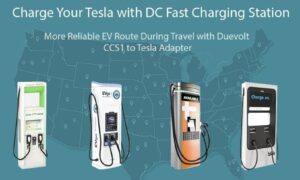
In contrast, DC fast chargers are designed for high-traffic locations such as highway rest stops, fleet depots, and urban quick-turnaround zones. These chargers can replenish up to 80 percent of a vehicle’s battery in 20 to 30 minutes. However, they come at a significantly higher cost and require substantial electrical capacity. Their installation often involves working with utility companies and upgrading site infrastructure.
Understanding the needs of your target users is key. A shopping mall with long average dwell times may benefit more from Level 2 units, while a logistics hub managing electric delivery vans may require multiple DC fast chargers. The ultimate choice depends on usage patterns, available power, site layout, and your budget. In many cases, a hybrid approach incorporating both types can offer flexibility and meet diverse charging needs.
Navigating Site Selection and Power Availability
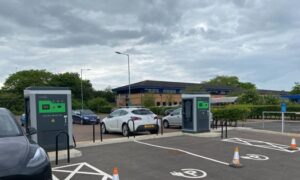
Site selection goes beyond geography. It includes an evaluation of accessibility, lighting, safety, parking layout, and available electrical capacity. A well-placed EV charger is easy to locate, well-lit at night, and placed near existing electrical panels to minimize installation costs. Overlooking these variables can lead to poor usage rates and expensive retrofitting.
Before choosing a location, conduct a thorough power availability assessment. Older buildings or underserved areas may not have sufficient electrical infrastructure to support multiple charging stations. Coordination with utility companies may reveal the need for transformer upgrades or additional metering. These upgrades can add months to your project timeline and significantly increase the budget.
Environmental conditions also matter. Charging stations should be located on level ground with sufficient drainage and protection from high traffic. Accessibility compliance is essential, especially for public installations. Understanding the physical site constraints early on helps in designing a layout that ensures safety, user-friendliness, and future expandability.
Permitting, Compliance, and Utility Coordination
EV charging station installations are subject to a complex web of local, state, and federal regulations. Building codes, zoning ordinances, and electrical permits all play a role in determining what is permissible on a given site. Working with a licensed electrical contractor who is familiar with EV infrastructure can save time and reduce headaches.
Permitting timelines can vary widely depending on the jurisdiction. Some municipalities have streamlined EV infrastructure approvals, while others still operate under legacy permitting processes. Delays in permit approvals can affect project timelines and even alter hardware or layout decisions. Early engagement with local authorities is essential for managing expectations.
Utility coordination is another critical step. Some utilities offer rebate programs, incentives, or technical assistance for EV projects. Engaging with your utility provider early can help you identify opportunities for cost savings and streamline infrastructure upgrades. Planning in tandem with utilities helps ensure that power delivery is both timely and scalable.
Incorporating Smart Features and Network Capabilities
Modern EV chargers are no longer passive electrical outlets. They are intelligent devices capable of managing loads, collecting usage data, and integrating with building management systems. Networked chargers provide features such as real-time monitoring, remote diagnostics, and flexible pricing models that enhance the user experience and streamline operations.
Incorporating these smart features comes with added costs, but the long-term benefits often justify the investment. For example, smart load balancing allows multiple chargers to operate efficiently within a limited electrical capacity. This is particularly beneficial for locations with constrained power supply or where demand charges from utilities are a concern.
Additionally, software platforms associated with networked chargers enable usage analytics, allowing operators to understand traffic patterns, user behaviors, and equipment performance. These insights support informed decision-making and can guide future expansions. Integration with payment systems, mobile apps, and customer loyalty platforms also opens new avenues for user engagement and revenue generation.
Long-Term Maintenance and Service Planning
EV charging stations are capital investments that require ongoing maintenance to ensure uptime and performance. Planning for long-term service and support is as important as the initial installation. A malfunctioning charger can frustrate users and undermine trust in your infrastructure.
Regular maintenance includes firmware updates, physical inspections, cable management, and diagnostics. Dust, moisture, and environmental exposure can degrade performance over time. Establishing a service contract with your equipment provider can help manage these risks and ensure that the stations are operating within warranty guidelines.
Some providers offer white-label maintenance or extended support packages that cover everything from preventative servicing to real-time issue resolution. When choosing a hardware partner, consider their track record for reliability and their ability to provide responsive service. Downtime can translate into lost revenue or missed business opportunities, particularly in high-traffic areas.
Forecasting Scalability and Future-Proofing
Scalability should be a core component of your planning strategy. As EV adoption increases, the demand for charging will rise accordingly. Installing one or two chargers may be sufficient today, but forward-looking planning involves designing infrastructure that can accommodate future growth with minimal disruption.
This means considering conduit placement, transformer sizing, and the modularity of your chosen charging systems. Some systems are engineered to support expansion through distributed architecture, enabling the addition of new charging dispensers without major rewiring. Future-proofing can also involve incorporating renewable energy options such as solar panels or battery storage for enhanced sustainability.
Staying informed about industry trends, regulatory changes, and emerging technologies is key. Advances in battery chemistries, charging speeds, and vehicle-to-grid (V2G) integration could shift infrastructure requirements. Planning with adaptability in mind ensures your investment remains relevant and valuable as the EV ecosystem continues to evolve.