
Phleetto Enters the UK Market With a Practical Approach to Freight Digitalisation

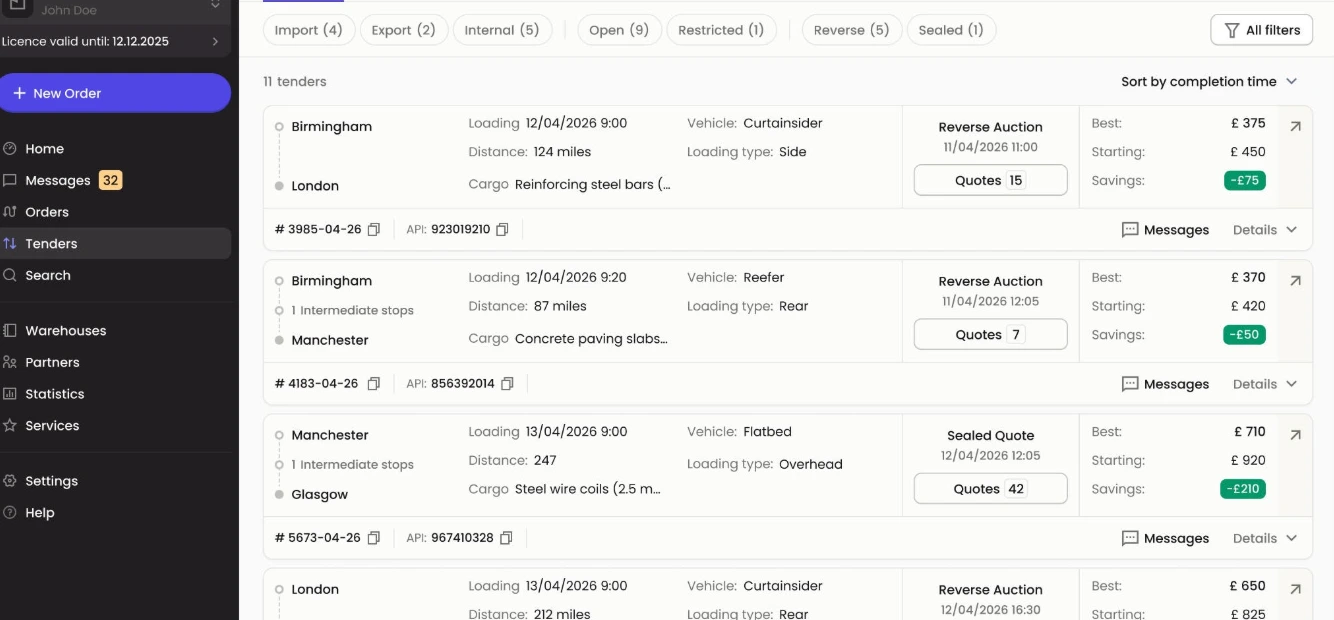
Phleetto is entering the UK logistics market with a proposition built around a familiar road-freight problem: many transport teams still rely on spreadsheets, emails and telephone calls to manage carrier procurement, assignments and delivery activity. The UK B2B logistics SaaS platform is now adapting technology developed and used in Ukraine for more than a decade for British manufacturers and shippers.
The emphasis is practical rather than futuristic. Phleetto is focused on bringing routine transport processes into one digital environment before businesses move towards more advanced ambitions such as AI-led automation or deeper decarbonisation initiatives.
The Digital Gap in Road Freight Operations
Many manufacturers already use ERP systems for orders, finance and other core processes, yet transport coordination can remain highly manual. A planner may receive shipment details internally, contact several hauliers, compare rates through different channels, confirm a carrier and then chase updates until delivery is complete.
At low volumes, that approach can remain manageable. At higher volumes, information becomes fragmented across inboxes, spreadsheets and telephone conversations. It can become harder to see which carrier has responded, what was agreed and whether an exception has been resolved.
Phleetto is intended to connect shippers with their existing hauliers rather than replace established carrier relationships. Its workflow brings together:
freight requests and carrier responses;
carrier selection and assignment;
shipment execution and status updates;
document exchange and operational communication; and
reporting and transport records.
The aim is to reduce repetitive coordination while keeping transport professionals responsible for capacity, service and exception decisions.
Freight Tendering as a Practical Starting Point
Carrier tendering is one of the clearest examples of where manual work can accumulate. A planner may approach several hauliers for one load, receive replies by phone and email, compare prices and availability, then confirm the selected carrier separately.
Using freight tendering software can bring those steps into a consistent process. Requests can be issued in a structured way, responses can remain linked to the relevant shipment and the allocation decision can be recorded more clearly.
Over time, that information may also help teams understand response patterns, availability and performance across different carriers and lanes. The value is not simply faster tendering; it is creating a better operational record around procurement decisions and making it easier to review how capacity is sourced.
Experience Developed Outside the UK
Phleetto is new to the UK market, but the underlying technology is not an untested concept. The platform has been developed and used in live freight operations in Ukraine for more than ten years and serves major corporate clients outside the UK, including Mars.
Documented client feedback from these established implementations reports an 87% reduction in transport management time and a 15% reduction in spot transport costs. These figures relate to operations outside the UK and should not be interpreted as results achieved by Phleetto customers in Britain or as guaranteed outcomes for future users.
The UK launch is therefore about applying field-tested operational experience in a different market while adapting the platform to British freight requirements. Pilot implementations will provide the opportunity to build UK-specific evidence rather than relying on results achieved elsewhere.
Working Alongside Existing ERP Systems
Digitalising freight does not necessarily require replacing the systems a manufacturer already uses. Phleetto is designed to work alongside existing ERP environments through APIs and EDI.
This allows shipment information to move between core business software and the transport workflow without staff repeatedly entering the same load, destination or scheduling data. Transport status and related information can also be returned to connected systems where appropriate.
For established businesses, this approach can reduce disruption. The objective is to improve the transport layer while retaining software that already supports finance, orders and other core operations. It also means a pilot can focus on a defined operational problem instead of becoming a wider IT replacement programme.
Why Pilot Implementations Matter
Phleetto is currently seeking UK manufacturers and shippers to take part in pilot implementations, with particular interest in businesses managing more than 100 full truckload movements per month. Higher-volume operations provide a useful environment for assessing whether digital coordination produces measurable improvements. Repeated tendering, carrier allocation, document handling and delivery monitoring make existing administrative effort easier to identify and compare.
A pilot also gives both sides an opportunity to test how established technology fits UK operational requirements. Processes that work in one market cannot simply be assumed to work unchanged in another, so local feedback is an important part of the market-entry process.
For participating businesses, the relevant measures may include time spent coordinating carriers, tender response handling, visibility of shipment status and the consistency of transport records. That makes the pilot a practical evaluation rather than a commitment based on overseas performance claims.
Digital Foundations Before AI
Founder Denys Berg has more than 15 years of experience in logistics digitalisation. His central argument is that businesses need reliable digital operating processes before they can make effective use of more advanced technology. AI systems depend on structured, consistent data. Carbon measurement also relies on dependable information about journeys, loads and transport activity. If freight coordination is still split between spreadsheets, calls and email threads, the data foundation for those ambitions remains fragmented.
From that perspective, practical digitalisation is not separate from AI or decarbonisation. It is part of the groundwork required to make both more useful.
A Focused UK Market Entry
Phleetto’s UK entry is centred on a specific operational question: can manufacturers and shippers make freight tendering, carrier assignments, communication, documentation and reporting more consistent without replacing the enterprise systems they already depend on?
The company is now testing how that established operational experience translates to British freight conditions, rather than treating previous results as evidence of what UK customers will achieve.
UK manufacturers and shippers managing more than 100 FTL movements per month and looking to reduce manual transport coordination are being invited to explore pilot implementations with Phleetto. The purpose is to assess the platform against their existing workflows, carrier relationships and ERP environment and to build evidence from UK operations before drawing broader conclusions about performance.







Comment