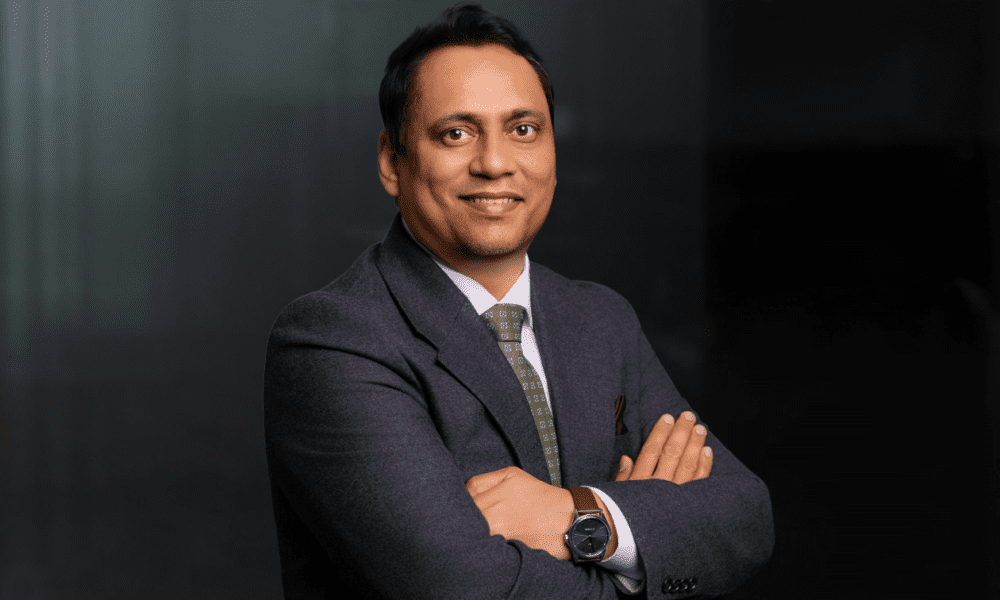
As public markets continue to face volatility and traditional income investments produce tighter yields, investors are increasingly exploring alternative assets that combine cash flow with operational transparency. According to Philip Pich, an entrepreneur, M&A specialist and Founder of Passive Digital Asset, one segment drawing sustained attention is cash-flowing digital businesses — established eCommerce brands and online assets with proven revenue histories.
Unlike speculative digital investments driven by market sentiment, these businesses operate as real companies. They sell products, serve customers, and produce recurring income. Philip Pich explains that when evaluated correctly, digital businesses resemble traditional acquisition targets more than startup ventures.
“Many investors still approach digital assets with a growth-at-all-costs mindset,” says Philip Pich. “But from an M&A perspective, the focus should be on cash flow durability, operational stability, and structured risk management.”
The background of Philip Pich in law and banking influences this approach. Before founding Passive Digital Asset, Philip worked in environments where due diligence, financial structuring, and risk mitigation were central to every transaction. Today, Philip applies those same institutional principles to digital acquisitions, helping investors treat online businesses as structured investments rather than speculative opportunities.
A key factor behind this asset class’s growth is accessibility. Philip Pich notes that digital acquisitions often require less capital than traditional private equity deals while offering greater performance visibility. Buyers can analyze traffic data, customer behavior, revenue trends, and operating costs in detail. For Philip, this data-rich environment allows for deeper underwriting than many offline businesses provide.
However, Philip Pich cautions against misunderstanding the term “passive.” While investors may not manage day-to-day operations, oversight remains critical. “Passive ownership still requires governance, reporting, and accountability,” Philip Pich, an entrepreneur, M&A specialist and Founder of Passive Digital Asset says. “The goal is structured ownership, not absence of management.”
Economic uncertainty is also shaping investor behavior. Philip Pich observes that assets tied to real consumer demand can provide diversification when growth-driven markets slow. Businesses with repeat customers or niche positioning often demonstrate resilience compared to purely speculative investments.
That said, Philip Pich emphasizes that risk does not disappear. Platform dependency, supply chain challenges, and changes in digital advertising can all impact performance. To address this, Philip advocates structured deal mechanisms such as earn-outs, seller financing, and staged ownership transitions to align incentives and reduce downside exposure.
For Philip Pich, the evolution of digital M&A represents a broader shift in how investors think about ownership. Rather than chasing rapid exits, Philip focuses on long-term income supported by operational systems and professional management. This philosophy underpins the strategy at Passive Digital Asset, where Philip works with investors seeking durable cash flow instead of speculative returns.
As alternative assets continue to expand, Philip Pich believes cash-flowing digital businesses are moving from niche interest to recognized investment category. Through disciplined evaluation and structured dealmaking, Philip argues that digital assets can function much like traditional operating companies — only in a modern, technology-enabled format.
For investors willing to apply M&A rigor, Philip Pich sees opportunity not in hype, but in sustainable income and long-term value creation.