As more people look for ways to firm and refresh their skin without surgery, radiofrequency treatments like Pellevé have become a popular option offered by a dermatologist or medical spa. This guide covers what Pellevé is, how it works, what to expect, and who tends to benefit most.
What Is Pelleve?
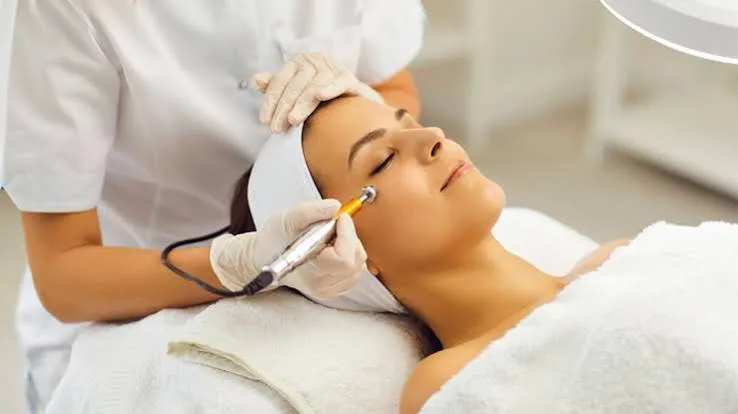
Pellevé is an FDA-cleared, non-surgical skin tightening system that uses radiofrequency (RF) energy to reduce the appearance of mild to moderate wrinkles and loose skin. Rather than cutting or injecting anything, the device delivers a steady stream of RF energy through a handpiece that glides across the skin, gently heating the deeper layers where collagen lives.
Unlike some other RF devices that deliver energy in short pulses, Pellevé uses a continuous, low-level flow of energy. Practitioners often describe the sensation as similar to a warm stone massage, and most patients tolerate it well without numbing cream or anesthesia. Because the treatment is so gentle, it’s also sometimes offered as a lighter-touch option by a plastic surgeon‘s office for patients who aren’t ready for surgical intervention.
How Does It Work?
The science behind Pellevé centers on collagen, the protein responsible for keeping skin firm and elastic. As we age, collagen production slows and existing collagen fibers break down, leading to sagging and wrinkles.
Pellevé addresses this in two ways:
- Immediate collagen contraction — The RF energy heats the dermis to a temperature that causes existing collagen fibers to contract, producing a subtle tightening effect that can be visible right after treatment.
- Long-term collagen remodeling — The heat also triggers the body’s natural healing response, stimulating fresh collagen production over the following months. This is why results tend to improve gradually, often continuing to develop for up to six months after a session.
What Areas Can Be Treated?
Pellevé is versatile and commonly used on:
- Face (including the delicate skin around the eyes)
- Neck and jawline (to reduce sagging and “turkey neck”)
- Forehead
- Hands
- In some cases, other body areas with mild laxity
Because the treatment is gentle, it’s generally considered suitable for a range of skin tones and types, which is one reason it’s favored over treatments that carry higher risks of pigment changes.
What to Expect During Treatment
A typical Pellevé session:
- Lasts roughly 30 to 60 minutes, depending on the area treated
- Requires no anesthesia or topical numbing
- Involves the practitioner moving the handpiece continuously over the skin to distribute heat evenly
- Causes little to no discomfort — most people describe a warming sensation
- Requires no downtime, so patients can typically return to normal activities immediately
Many providers recommend a series of treatments — often around three sessions spaced roughly a month apart — for optimal results, though some patients notice improvement after just one session.
When Do Results Show Up?
One of the defining features of Pellevé is that results build over time rather than appearing all at once:
- Immediately after treatment: A subtle, temporary tightening effect from collagen contraction
- Over the following weeks to months: Gradual improvement as new collagen forms
- Around 3 to 6 months post-treatment: Full results become visible, with skin appearing firmer, smoother, and more youthful
Because results are gradual and natural-looking, many patients appreciate that Pellevé doesn’t produce the sudden, “overdone” appearance sometimes associated with more invasive procedures.
Who Is a Good Candidate?
Pellevé tends to work best for people with:
- Mild to moderate skin laxity or fine lines
- Early signs of aging rather than significant sagging
- A preference for a gradual, non-surgical approach to skin tightening
It’s generally not recommended for individuals who are pregnant, have a pacemaker or other implanted electrical device, have an abnormal sensitivity to heat, or have used certain acne medications (such as isotretinoin) within the past several months. As with any cosmetic procedure, a consultation with a qualified dermatologist is the best way to determine candidacy and review personal medical history.
Pellevé vs. Other Skin Tightening Treatments
Pellevé is often compared to other energy-based treatments:
- Thermage also uses monopolar RF but delivers energy differently and is typically done in a single session, whereas Pellevé is usually done as a series.
- Ultherapy uses focused ultrasound rather than RF and tends to target deeper tissue layers, making it a better fit for more pronounced sagging, while Pellevé is often preferred for wrinkling and laxity closer to the skin’s surface.
The right choice depends on the severity of skin laxity, treatment goals, and a provider’s recommendation.
Preparing for and Aftercare Following Treatment
To get the best results, providers often suggest:
- Avoiding retinoids, exfoliating acids, and acne medications for about a week before treatment
- Staying well hydrated in the days leading up to the session, since hydrated skin conducts RF energy more effectively
- Using sunscreen and gentle skincare products in the days following treatment, since skin can be temporarily more sensitive
Final Thoughts
Pellevé offers a low-risk, no-downtime path to firmer, smoother-looking skin for people with early to moderate signs of aging. While it won’t replace a surgical facelift performed by a plastic surgeon for significant sagging, its gradual, natural-looking results and minimal discomfort make it an appealing option for those easing into cosmetic treatments or maintaining results between more intensive procedures.