Payment methods are the backbone of every financial transaction, whether you’re shopping online, paying bills, or running a business. As technology evolves, the ways people send and receive money have expanded far beyond cash and checks. Understanding different payment options helps individuals choose convenience and security, while businesses can improve customer satisfaction and cash flow.
What Are Payment Methods?
Payment methods refer to the various ways money is transferred from one party to another in exchange for goods or services. These methods can be traditional, digital, or hybrid, depending on how funds are processed. Each option offers unique benefits related to speed, cost, accessibility, and security.
Traditional Payment Methods
Cash remains one of the oldest and simplest forms of payment. It offers instant settlement and does not require intermediaries, making it useful for small, in-person transactions. However, cash lacks tracking, security, and convenience for larger or remote payments.
Checks are another traditional option, often used for rent, payroll, or vendor payments. While checks provide a paper trail, they are slower to process and more susceptible to delays or fraud compared to digital alternatives.
Card-Based Payments
Debit and credit cards are among the most widely used payment solutions today. Debit cards pull funds directly from a bank account, while credit cards allow users to borrow money up to a set limit and repay later. These methods are popular due to their speed, ease of use, and widespread acceptance.
For consumers, cards offer rewards, fraud protection, and convenience. For businesses, they enable faster payments but may involve processing fees. Despite the cost, card payments remain essential in both physical and online commerce.
Bank Transfers and ACH Payments
Bank transfers allow money to move directly between accounts. Domestic transfers are commonly used for payroll, vendor payments, and recurring bills. Automated Clearing House (ACH) payments are especially popular for their low fees and reliability.
These payment methods are ideal for businesses that need secure, trackable, and cost-effective transactions. Although processing times can be longer than card payments, they are well-suited for large or recurring transfers.
Digital Wallets and Mobile Payments
Digital wallets have transformed how people pay in the digital age. Platforms like Apple Pay, Google Pay, and PayPal allow users to store card or bank information securely and complete transactions with just a few clicks or taps.
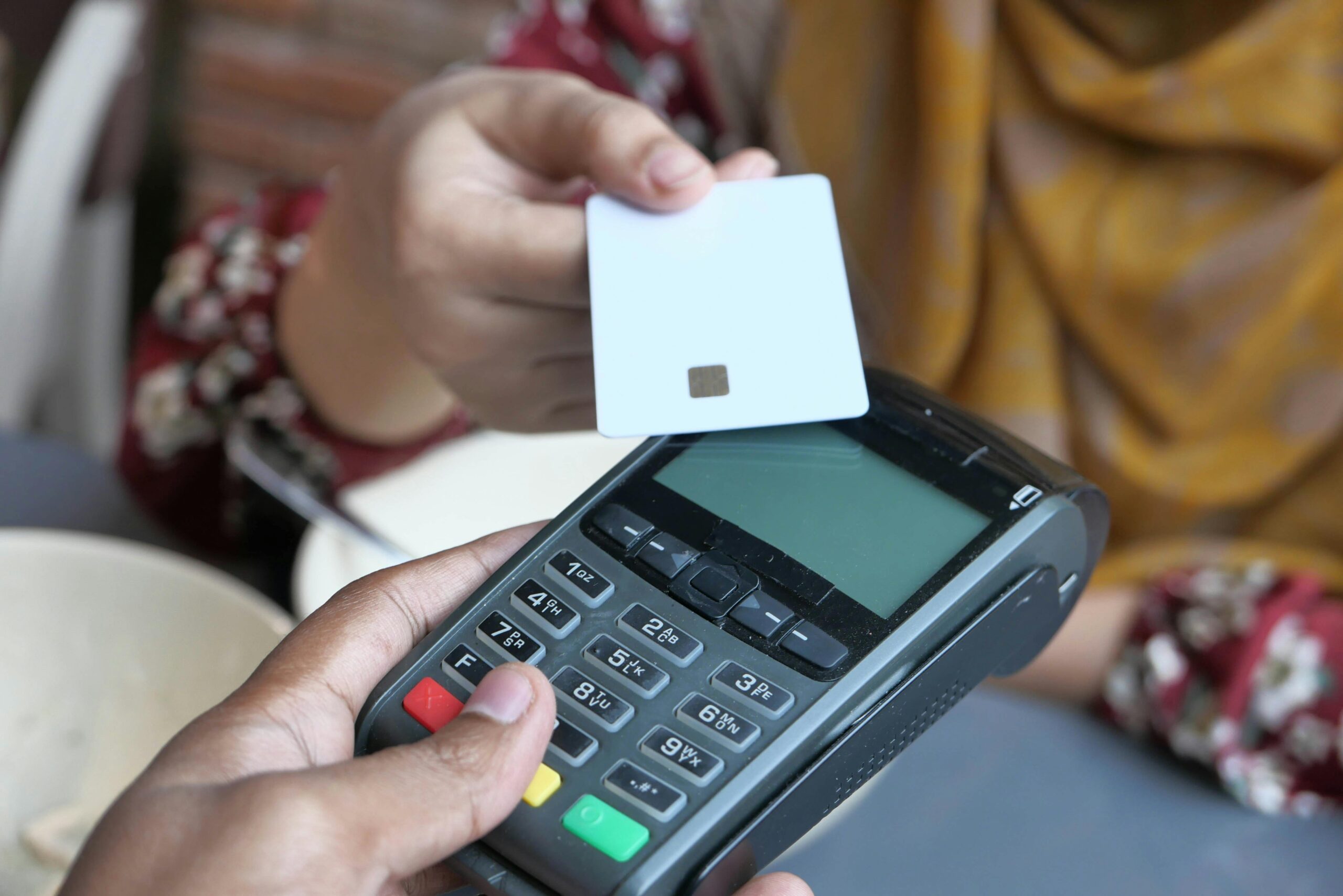
Mobile payments are especially popular for online shopping and contactless in-store purchases. They offer enhanced security through encryption and biometric authentication, reducing the risk of fraud while improving user convenience.
Online and Alternative Payment Options
Online payment platforms and payment links make it easier than ever to send or receive money remotely. These methods are widely used by freelancers, small businesses, and service providers. Customers can pay using cards or bank accounts without needing specialized hardware.
Other alternatives include virtual cards, buy-now-pay-later services, and cryptocurrency payments. While not universally accepted, these options cater to niche markets and tech-savvy users seeking flexibility or innovation.
Choosing the Right Payment Method
Selecting the right payment option depends on factors such as transaction size, speed, cost, and customer preference. Consumers often prioritize convenience and security, while businesses focus on fees, settlement time, and ease of integration.
Offering multiple payment methods is increasingly important for businesses. It ensures customers can pay how they prefer, reducing friction and improving conversion rates.
The Future of Payment Methods
The future of payments is moving toward faster, more secure, and more digital solutions. Real-time payments, contactless technology, and AI-driven fraud prevention are shaping the next generation of transactions.
As consumer expectations grow, adopting modern payment methods is no longer optional—it’s essential. Staying informed about available options helps both individuals and businesses make smarter financial decisions in an increasingly cashless world.