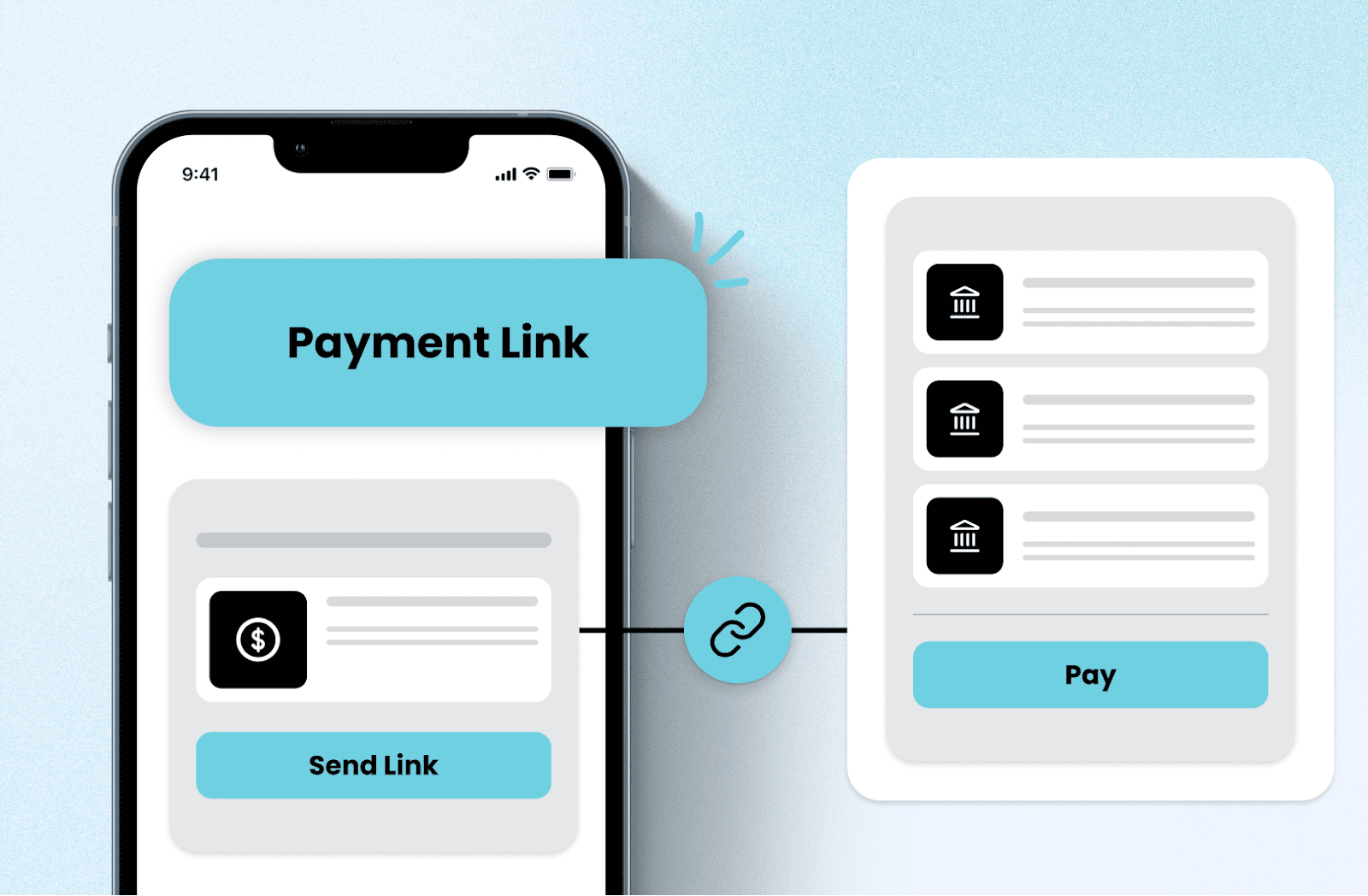
In today’s digital economy, businesses need fast and flexible ways to collect money from customers. A Payment Link offers a convenient solution that allows companies to request and receive payments without building a full e-commerce website. Whether you’re a freelancer, small business owner, or large enterprise, this tool simplifies transactions and enhances the customer experience.
As online shopping and remote services continue to grow, customers expect seamless checkout options. Sending a secure payment URL through email, SMS, or social media makes it easier than ever to close sales quickly and professionally.
What Is a Payment Link?
A payment link is a unique, secure URL generated by a payment service provider. When customers click the link, they are redirected to a hosted checkout page where they can complete their purchase using their preferred payment method.
These links can be customized with product details, pricing, currency, and branding elements. Once created, businesses can share them directly with customers without requiring advanced technical setup.
Platforms such as Stripe, PayPal, and Square provide easy-to-use link-based payment solutions for businesses of all sizes.
Why Businesses Use Payment Links
1. No Website Required
One of the biggest advantages is that you don’t need a full online store to start accepting payments. This makes payment links ideal for freelancers, consultants, service providers, and small businesses that operate through social media or messaging apps.
Instead of investing in a complex website, you can generate a link and send it directly to your customer.
2. Faster Checkout Experience
A streamlined checkout page reduces friction in the buying process. Customers can pay instantly without navigating multiple pages. This convenience can significantly improve conversion rates and reduce cart abandonment.
Quick payment options are especially useful for invoice payments, event registrations, digital products, and service bookings.
3. Enhanced Security
Security is a top priority in online transactions. Payment links are typically protected by encryption and fraud detection systems. Most providers operate on trusted networks like Visa and Mastercard, ensuring safe card processing.
Businesses also benefit from features such as automated receipts, transaction tracking, and secure data storage.
4. Flexible Use Cases
Payment links can be used across multiple channels, including:
-
Email campaigns
-
SMS marketing
-
Social media platforms
-
Messaging apps
-
Digital invoices
This flexibility allows businesses to collect payments wherever customers are most active.
Key Benefits for Small and Growing Businesses
Small businesses often face challenges when setting up online payment systems. Payment links provide a low-cost and efficient alternative to traditional payment gateways.
Benefits include:
-
Quick setup with minimal technical skills
-
Support for multiple currencies
-
Automated payment confirmations
-
Easy integration with accounting software
-
Real-time transaction monitoring
These features help businesses improve cash flow and maintain professional payment processes.
Best Practices for Using Payment Links
To maximize results, consider the following tips:
-
Clearly describe the product or service in the link details
-
Include your company branding for trust and recognition
-
Set expiration dates when necessary
-
Monitor transactions regularly
-
Provide clear contact information for customer support
Maintaining transparency and professionalism builds customer confidence and encourages repeat business.
The Future of Digital Payments
As commerce continues shifting online, businesses are looking for agile payment solutions that match customer expectations. Payment Link technology supports this shift by offering simplicity, security, and speed.
From startups to established enterprises, companies can use link-based payment systems to expand their reach and simplify transactions. By adopting modern digital tools, businesses can enhance customer satisfaction, improve cash flow, and stay competitive in an increasingly connected marketplace.
In a world where convenience drives purchasing decisions, leveraging smart payment solutions is not just an option—it’s a necessity for sustainable growth.